Author: Sandeep A

  • पहलगाम आतंकी हमला और भारत की सख्त कार्रवाई

    पहलगाम आतंकी हमला और भारत की सख्त कार्रवाई

    Explore the details of the Pahalgam terror attack and understand the strong measures taken by the Indian government in response. Learn about the implications for India-Pakistan relations and national security.

    जब जन्नत रो पड़ी: खूबसूरत वादियां, खौफनाक मंजर में बदल गईं

    कश्मीर को यूं ही नहीं “धरती का स्वर्ग” कहा जाता। पहलगाम भी उन्हीं जगहों में से एक है साफ हवा, हरे-भरे पहाड़, खूबसूरत पोशाकों में सजे टूरिस्ट, टट्टुओं पर घूमते बच्चे सब कुछ किसी सपने जैसा लगता है।

    लेकिन 22 अप्रैल 2025 का दिन इस सपने को एक भयानक सच्चाई में बदल गया। जिस जगह लोग शांति और सुकून ढूंढने आते हैं, वहां अचानक गोलियों की आवाज गूंज उठी।

    आखिर हुआ क्या था?

    उस दोपहर कुछ हथियारबंद आतंकी, जो खुद को The Resistance Front से बताते हैं, बेसरन घास के मैदान के पास पहुंच गए। ये जगह मुख्य सड़क से काफी दूर है, जहां गाड़ियां भी नहीं जातीं। शायद इसी लिए उन्होंने इसे चुना, ताकि हमला करना और बच निकलना आसान हो।

    बिना किसी चेतावनी के, सीधे गोलीबारी शुरू कर दी गई। 26 लोग मौके पर ही मारे गए टूरिस्ट, स्थानीय लोग, यहां तक कि एक भारतीय नौसेना अधिकारी और एक इंटेलिजेंस ब्यूरो अफसर भी। चश्मदीदों ने बताया कि हमलावर कुछ लोगों से नाम पूछकर फायर कर रहे थे, यानी वे शायद पहले से टारगेट तय करके आए थे। रूह कांप जाती है सुनकर।

    ये कोई अचानक उठाया गया कदम नहीं था। सब कुछ सोची-समझी साजिश थी। जहां पहुंचने में ही समय लगता हो, वहां मदद भी देर से ही पहुंचती है। शायद इसी का फायदा उठाया गया।

    2019 के पुलवामा हमले के बाद से कश्मीर में आम नागरिकों की इतनी बड़ी जान हानि पहली बार हुई थी। सोचिए, कितना दर्दनाक मंजर रहा होगा।

    देश का रिएक्शन

    पूरा भारत सकते में था। श्रीनगर में तो उसी वक्त प्रदर्शन शुरू हो गए। नेता लोग जैसे महबूबा मुफ्ती ने भी खुलकर अपनी बात रखी। सोशल मीडिया पर दुख और गुस्से की बाढ़ आ गई। फ्रांस के राष्ट्रपति इमैनुएल मैक्रों जैसे अंतरराष्ट्रीय नेताओं ने भी हमले की निंदा की।

    गृहमंत्री अमित शाह तुरंत घटनास्थल पर पहुंचे। भारतीय वायुसेना और नौसेना ने अपने शहीद अधिकारियों को श्रद्धांजलि दी। पूरा इलाका सील कर दिया गया। हमलावरों के स्केच भी जारी कर दिए गए।

    लेकिन असली जवाब तो अभी बाकी था।

    भारत का तगड़ा पलटवार

    प्रधानमंत्री मोदी ने एक पल भी नहीं गंवाया। सऊदी अरब में चल रहे आधिकारिक डिनर को रद्द कर तुरंत भारत लौटे। एयरपोर्ट पर उतरते ही राष्ट्रीय सुरक्षा सलाहकार अजीत डोभाल और विदेश मंत्री से मीटिंग की। अगली सुबह कैबिनेट सिक्योरिटी कमेटी की आपात बैठक बुलाई गई।

    फैसले? इस बार सिर्फ कड़ी बातें नहीं, सीधे ठोस कदम उठाए गए:

    • इंडस वॉटर ट्रीटी रोकी गई – भारत और पाकिस्तान के बीच नदी जल समझौता। पानी रोकना पाकिस्तान के लिए बहुत बड़ा झटका है।
    • SAARC वीजा एग्जेम्प्शन स्कीम रद्द – पहले पाकिस्तानी नागरिकों को भारत आने में थोड़ी छूट थी, अब उन्हें 48 घंटे में वापस जाने को कहा गया।
    • सभी पाकिस्तानी वीजा रद्द – कोई एंट्री नहीं, कोई विजिट नहीं।
    • पाकिस्तान से भारतीय डिफेंस स्टाफ को वापस बुलाया गया – राजनयिक रिश्ते और भी ठंडे पड़ गए।
    • अटारी बॉर्डर बंद कर दिया गया – बड़ा ट्रेडिंग पॉइंट अब पूरी तरह सील।

    सीधा संदेश था अब और बर्दाश्त नहीं।

    ये फैसले क्यों जरूरी थे?

    सच कहें तो लोग थक चुके हैं। डर, खून, खबरों में तबाही हर रोज यही देखना पड़ता है। इस बार जब सरकार ने इतनी जल्दी और सख्ती से कदम उठाए, तो लोगों को थोड़ी राहत जरूर मिली। सब जानते हैं, इससे रातोंरात सब कुछ नहीं बदलेगा, लेकिन कम से कम यह एहसास हुआ कि कुछ तो किया गया।

    अटारी बॉर्डर बंद करना, वीजा रद्द करना ये सब पाकिस्तान की इकोनॉमी और इमेज पर सीधा असर डालता है। और इंडस वॉटर ट्रीटी वाला फैसला तो सबसे बड़ा झटका था। पानी के मुद्दे वैसे भी देशों के बीच बेहद संवेदनशील होते हैं।

    हां, इसमें खतरा भी है। अगर पाकिस्तान आक्रामक जवाब देता है, तो हालात और भी बिगड़ सकते हैं। भारत बहुत सोच-समझकर यह रास्ता चला रहा है।

    अब आगे क्या?

    कश्मीर के लोगों के लिए ये वक्त बहुत डरावना है। उनकी रोजी-रोटी टूरिज्म पर टिकी है। अब लोग आने से डरेंगे। होटल मालिकों ने कहना भी शुरू कर दिया है कि बुकिंग कैंसिल होने लगी हैं।

    बाकी भारत के लिए बात सीधी है सुरक्षा चाहिए। लोग चाहते हैं कि जब कुछ बुरा हो, तो देश सिर्फ बोलने से नहीं, बल्कि मजबूत कदमों से जवाब दे।

    मेरी अपनी राय

    मैं कोई सिक्योरिटी एक्सपर्ट नहीं हूं। बस एक आम इंसान हूं जो खबरें पढ़ता है और दूसरों का दर्द समझता है। और सच कहूं, तो इस हमले ने दिल से झकझोर दिया। ये कोई सैनिक नहीं थे, कोई नेता नहीं थे ये तो आम लोग थे, जो बस अपनी जिंदगी के खूबसूरत पल बिता रहे थे।

    भारत का जवाब जरूरी था। ताकत दिखानी भी जरूरी थी। लेकिन असली शांति? वो सिर्फ बॉर्डर बंद करने या संधि तोड़ने से नहीं आएगी। जब तक हम उन जड़ों तक नहीं पहुंचते, जहां से ऐसे आतंकी ग्रुप पैदा होते हैं, तब तक ये जख्म भरने वाले नहीं।

    जब तक ऐसा नहीं होगा, कश्मीर को यूं ही दर्द सहना पड़ेगा। और ये किसी के लिए भी न्याय नहीं है ना वहां के लोगों के लिए, ना टूरिस्ट्स के लिए, ना हमारे देश की आत्मा के लिए।

    अगर ये कहानी आपके दिल को छू गई हो, तो इससे जुड़े और भी आर्टिकल्स पढ़ना न भूलें:
    👉 एक नौसेना अधिकारी और उनकी स्कूल टीचर पत्नी की हनीमून कहानी
    👉 Pahalgam Attack: बढ़ती हुई मुस्लिम विरोधी नफरत – क्यों एकता ज़रूरी है
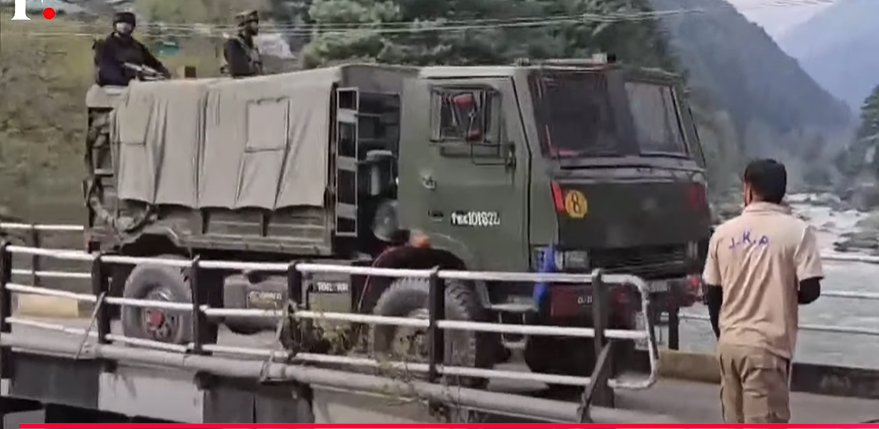
  • Kashmir’s Pahalgam Terror Attack: Tragedy in Paradise

    Kashmir’s Pahalgam Terror Attack: Tragedy in Paradise

    Indian Army take action on pahelgam

    Sometimes, we think certain places are above pain. Like they’re just too beautiful to be touched by such ugly things. That’s how many of us see Kashmir especially Pahalgam. Last week, I was talking to a friend who had just come back from there. She told me about the green meadows, the cold Lidder river, the sound of horses trotting around Baisaran “It felt like another world,” she said. And honestly, I could almost picture it.

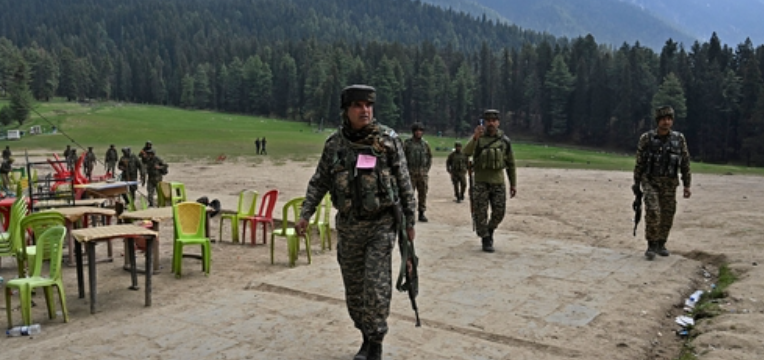
    But just a few days later, on 22nd April 2025, that same peaceful place saw something no one expected. A brutal terror attack. Gunmen opened fire at tourists in Baisaran meadow. At least 26 people died. Some reports say 28. Many others were hurt. Just like that, the joy turned into chaos.

    For people like me who’ve always looked at Kashmir as a place of peace and healing this news felt like a punch to the gut. Not just because of the lives lost. But because this kind of violence brings back fear. It’s like a dark cloud that refuses to go away.

    What Exactly Happened?

    It was a regular Tuesday. Around 1 PM. The meadow was full of tourists families, kids, even newlyweds. People were enjoying pony rides, taking selfies, eating local snacks. Suddenly, out of nowhere, some armed men appeared and started firing.

    There was panic. People ran in all directions. Some tried to hide behind rocks, others fell on the ground to avoid bullets. It was over in a few minutes. But the damage done was massive.

    Among those who died was a young Navy officer Lieutenant Vinay Narwal. He had just gotten married on 16th April. A tourist from Karnataka, Manjunath, was also killed right in front of his wife and son. It’s hard to even imagine that kind of pain.

    A group called The Resistance Front (TRF) linked to Lashkar-e-Taiba took responsibility later. Security agencies believe they wanted to target Hindu tourists just before the Amarnath Yatra season, which starts in July.

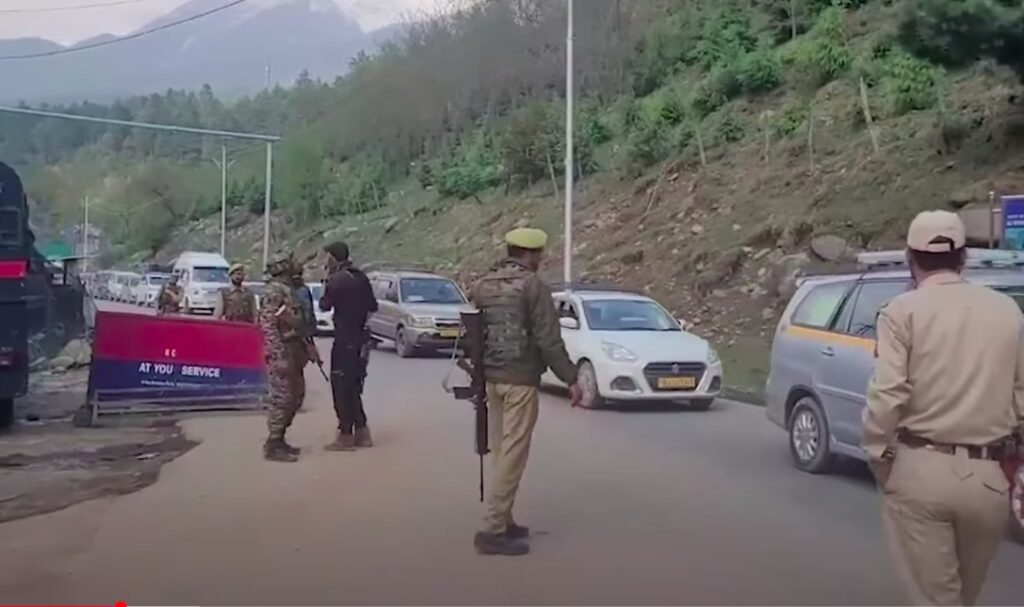
    Police protect Pahelgam
    A sudden terror attack in Pahalgam’s Baisaran meadow on April 22 shook Kashmir, claiming over 26 lives and leaving deep scars on locals and tourists alike.

    Immediate Reactions

    Right after the attack, local police and army teams rushed to the spot. Injured people were taken by helicopter and ponies to hospitals. Emergency numbers were shared for families trying to reach their loved ones.

    Leaders across parties spoke out. Prime Minister Modi called it a “heinous act” and asked for strong action. Home Minister Amit Shah flew to Srinagar for a high-level security check. Even global leaders like US President Trump and Israeli ministers stood with India. But, honestly, after every attack, we hear strong words. What really matters is what happens next.

    Lives That Were Shattered

    You know, it’s easy to say “26 people died.” But behind each number is a full story. A family. A future. A hope.

    Like I said, Lieutenant Narwal was newly married. Manjunath had come with his wife and child for a holiday. Another tourist, Prashant from Odisha, had been planning this trip for months. Survivors are still recovering in hospitals physically and mentally.

    The Karnataka government stepped in to bring back the bodies. But can anyone bring back the peace their families lost?

    Kashmir’s Tourism Takes a Hit

    Kashmir’s beauty attracts lakhs of tourists every year. It’s not just good for Instagram — it’s bread and butter for many locals. Pony owners, taxi drivers, hotel staff, shopkeepers — all depend on these visitors.

    After this attack, fear is back. People are cancelling trips. Amarnath Yatra, which brings thousands of pilgrims, might see tighter security now. But fewer tourists means fewer jobs. And that’s a big worry for people who are already struggling.

    I remember a Kashmiri friend of mine, Javed bhai, who runs a small guesthouse in Srinagar. After the Pulwama attack in 2019, he barely had any guests for months. Now again, he’s scared bookings will drop.

    Is Kashmir Really Safe?

    This is the big question. Every few months, something happens that shakes the peace. Since the 1989 insurgency, Kashmir has seen many such dark days. The 2019 Pulwama attack took 40 CRPF lives. Just last year, 9 Hindu pilgrims were killed in a bus attack in Reasi.

    After Article 370 was scrapped in 2019, the government said things would improve. And yes, some normalcy did return. But this attack shows that threats are still very much alive. Especially from groups operating across the border.

    Security experts are now asking how was such a busy tourist spot left so exposed? Shouldn’t there have been more checks? More patrols?

    So, What Happens Now?

    For now, the Army has launched a search operation. Drones, checkpoints, more boots on the ground. But security alone isn’t enough.

    We need to support the families of victims. Help local businesses bounce back. And more importantly, start honest conversations about why such hate still exists and how to heal this long wound.

    Former CM Mehbooba Mufti called for a protest bandh. Locals held a candle march in silence. These are not just political moves these are signs that people want peace, not revenge.

    If this resonated with you, here’s something similar you might like: Pahalgam terror attack: Narrow escape for three Kerala High Court judges

    Keep the learning going with this one: India’s Steel Tariff: Smart Protection or Risky Trade Gamble?

  • Nishikant Dubey vs Supreme Court: A Storm Brewing in Politics

    Nishikant Dubey vs Supreme Court: A Storm Brewing in Politics

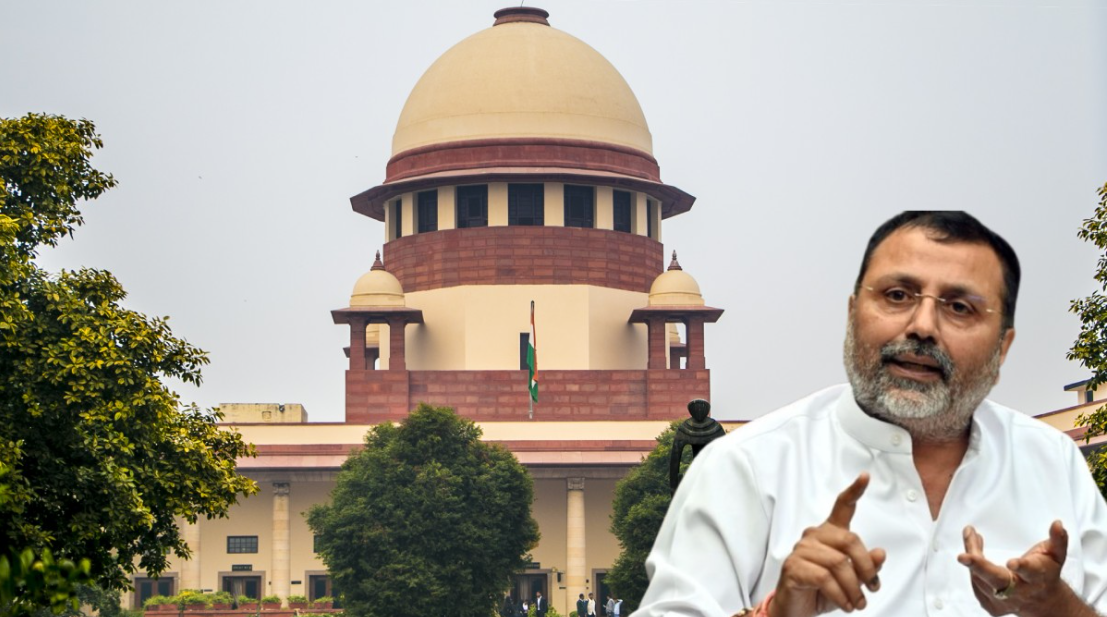
    you’re at a bustling chai stall in Delhi, overhearing a heated debate about politics. One uncle is waving his newspaper, shouting about how politicians are crossing lines, while another sips his chai, muttering about the judiciary’s role. This is the vibe in India right now, thanks to BJP MP Nishikant Dubey’s explosive comments against the Supreme Court and Chief Justice of India (CJI) Sanjiv Khanna. It’s like a masala movie plot—full of drama, accusations, and a clash of powers. So, what’s the deal? Let’s break it down in a way that feels like we’re chatting over some cutting chai.

    The Spark: Dubey’s Controversial Remarks

    Nishikant Dubey, a four-time MP from Godda, Jharkhand, isn’t new to stirring the pot. Known for his fiery speeches, he’s often the BJP’s go-to guy for taking on opponents. But this time, he aimed higher—straight at the Supreme Court. On April 19, 2025, Dubey accused the apex court of “inciting religious wars” and blamed CJI Sanjiv Khanna for “all civil wars in the country.” Ouch! He didn’t stop there. He suggested that if the Supreme Court is going to make laws, Parliament should just shut down. Imagine saying that about the country’s highest court—it’s like telling your boss they’re doing your job wrong, in front of everyone.

    These remarks came after the Supreme Court raised questions about the Waqf (Amendment) Act, 2025, and set timelines for the President and Governors to clear bills, like in the Tamil Nadu Governor case. Dubey felt the court was overstepping its role, acting like a “super Parliament.” His words weren’t just a critique; they were a full-on attack, sparking a political firestorm.

    The Supreme Court’s Response: Calm but Firm

    The Supreme Court didn’t take the bait for a public spat, but it didn’t stay silent either. On April 21, 2025, Justice B.R. Gavai, during a hearing, acknowledged the criticism, saying the court is often accused of “encroaching” on Parliament’s turf. No drama, just facts. The court also addressed a petitioner seeking contempt action against Dubey, clarifying that they don’t need permission to file such a plea but must get the Attorney General’s sanction. This measured response shows the judiciary’s restraint, even when under fire.

    Advocate Anas Tanwir, representing petitioners in the Waqf case, wrote to the Attorney General, calling Dubey’s remarks “grossly scandalous” and harmful to the court’s dignity. The court’s focus remained on the law, not the noise, which is classic Supreme Court style—stay above the fray, let the process handle it.

    The Political Fallout: BJP’s Tightrope Walk

    Here’s where it gets spicy. The BJP, Dubey’s party, quickly distanced itself from his remarks. BJP president J.P. Nadda took to X, saying the party “completely rejects” Dubey’s statements and that they were his “personal opinions.” Smart move, but is it enough? Other BJP leaders, like Assam CM Himanta Biswa Sarma, tried to shift the narrative, pointing out Congress’s past criticisms of the judiciary. But the Opposition wasn’t having it. Congress leaders like Digvijaya Singh demanded Dubey’s suspension, calling his remarks a “defamation” of the court.

    Interestingly, not everyone in the BJP camp disagreed with Dubey. West Bengal MLA Agnimitra Paul backed him, questioning why the CJI should challenge the President’s authority. Talk about mixed signals! This shows the delicate balance the BJP is trying to strike—supporting its outspoken MP while avoiding a full-blown clash with the judiciary.

    The Waqf Act Connection: Why It Matters

    At the heart of this storm is the Waqf (Amendment) Act, 2025. The Act aims to reform how Waqf properties (land or assets dedicated for Muslim religious or charitable purposes) are managed. Critics, including former Chief Election Commissioner S.Y. Quraishi, called it a “sinister plan” to seize Muslim lands. Dubey, in response, didn’t just defend the Act—he attacked Quraishi, labeling him a “Muslim commissioner” instead of an election commissioner. Yikes, that’s personal.

    The Supreme Court’s scrutiny of the Act, particularly provisions like the “Waqf by user” clause, irked Dubey. He argued the court demands evidence for temple land disputes but not for Waqf properties, accusing it of bias. This communal angle has only fueled the controversy, with protests in places like Murshidabad, West Bengal, adding to the tension.

    Why This Clash Matters: Judiciary vs Legislature

    This isn’t just about Dubey’s loud mouth or the Waqf Act. It’s a bigger question: where’s the line between the judiciary and the legislature? The Supreme Court interprets laws and ensures they align with the Constitution, but some, like Dubey and Vice President Jagdeep Dhankhar, argue it’s acting like a lawmaker. Dhankhar called the court a “super Parliament,” echoing Dubey’s sentiments.

    On the flip side, the judiciary’s role is to check and balance the other arms of government. When it set timelines for bill approvals or flagged Waqf Act issues, it was doing its job—protecting constitutional values. But Dubey’s outburst highlights a growing frustration among some politicians who feel the court is meddling too much. It’s like a family feud where everyone thinks they’re right.

    The Public’s Take: A Divided House

    Scroll through X, and you’ll see the divide. Some users hail Dubey as a “fearless” voice calling out judicial overreach. Others slam him as a “troll MP” disrespecting the Constitution. It’s like a Twitter war with no end. The public’s reaction mirrors the larger debate: should politicians challenge the judiciary so openly, or does it weaken our democratic institutions?

    My Take: A Dangerous Precedent?

    Here’s my two cents: Dubey’s remarks cross a line. Critiquing the judiciary is fine—debate keeps democracy alive. But accusing the CJI of starting “civil wars” or throwing communal slurs at critics like Quraishi? That’s not critique; it’s reckless. It risks eroding trust in institutions that hold India together. The BJP’s quick disavowal shows they know this, but their silence on Dubey’s Quraishi comments raises questions about their sincerity.

    The Supreme Court, by staying calm, has shown why it’s the grown-up in the room. But this clash is a wake-up call. We need clearer boundaries between the judiciary, legislature, and executive, or these storms will keep brewing. As citizens, we should demand respectful dialogue, not headline-grabbing rants.

    If you found this blog interesting, you might enjoy this one too: Waqf Act Controversy: What’s Happening in Murshidabad?

  • Operation Brahma: India’s Lifeline to Earthquake-Hit Myanmar

    Operation Brahma: India’s Lifeline to Earthquake-Hit Myanmar

    Operation Brahma

    On the night of March 28, 2025, News began streaming in: “7.7 quake near Mandalay…buildings collapsed…people trapped.” In my hometown, we know how power cuts and storms can turn routine life upside‑down. Yet, nothing quite prepares you for a disaster of this scale in a neighbouring country. Still, within hours, India switched from watching the news to rolling out Operation Brahma—the country’s boldest push in years to help quake‑hit Myanmar.

    More Than Just Aid—A Promise of Renewal

    You see, naming it after Brahma—the creator—wasn’t just poetic. It was India’s way of saying, “We’ll help rebuild, brick by brick.” Actually, this mission became a symbol of how neighbours stick together: pooling resources, sharing expertise, even swapping stories late into the night about loved ones they lost in past disasters. It wasn’t a one‑off drop of blankets; it was a pledge to stand until communities breathe freely again.

    Ground Zero: Faces Behind the Figures

    Sure, statistics matter—1600 dead, 3400 injured, roads splitting like cracked plates, hospitals turned into piles of rubble. Yet, numbers alone feel flat. Let me share a scene from Sagaing: ten‑year‑old Thura lay buried for nearly 72 hours, only to be woken by an NDRF rescuer’s voice. He thought his family had forgotten him. Meanwhile, in Myinmu village, families formed human chains to pass water bottles into collapsed homes—because when official help couldn’t reach them, community spirit kicked in. These small acts kept hope alive until bigger teams arrived.

    First Response: Gearing Up in 48 Hours

    By dawn two days later, 80 NDRF “jawans” were cutting through concrete and steel with their tools. Then, without skipping a beat, a 118‑member medical battalion from the Army’s Shatrujeet Brigade pitched in, turning open fields into makeshift hospitals. You have to understand: setting up a 200‑bed facility in rugged terrain usually takes weeks. Yet, here they were, operating theatres ready, X‑ray machines clicking, and patients queued for treatment. Within five days, over 1,370 people had been bandaged, patched, and—thanks to 33 emergency surgeries—given a second chance at life.

    Moving Mountains of Relief

    But rescue isn’t just doctors and drills. It’s also fuel, food, tents, medicines—tons of them. India shipped 656 metric tons of supplies by Air Force C‑17s and naval vessels. One pilot joked his plane looked like a flying grocery store; rice sacks balanced next to oxygen cylinders. Then, there were the lorries that braved broken bridges and flooded roads, each carrying enough dal, rice, and water purifiers to feed entire villages. At times, these trucks crawled at 10 km/h, but still they moved because someone somewhere knew lives depended on every kilo.

    Tech to the Rescue: Robots and Drones

    In fact, this time India brought in gadgets too. Robotic mules—small, four‑legged machines—wove through debris, delivering bandages where no human could go. They looked almost playful, yet beneath their metal hides lay sensors to detect heartbeats. On the other hand, nano drones hovered above ruins, their thermal cameras spotlighting survivors trapped under concrete vaults. Local volunteers would guide them, shouting coordinates into walkie‑talkies, so rescue teams knew exactly where to dig. It was thrilling and nerve‑wracking, but it showed that innovation can jostle alongside compassion.

    When Diplomacy Meets Compassion

    Behind the scenes, diplomats burned the midnight oil. Indian envoys and Myanmar officials cleared customs for medical kits in record time. Meanwhile, community groups on both sides of the border used social media to coordinate drop‑off points—villagers in Manipur sharing maps, families in Sagaing confirming safety zones. In the scramble, trust grew. In fact, some ministers say that this joint effort could push bilateral trade past USD 30 billion by 2027. Yet, more than trade figures, it was the human bonds that mattered most.

    When Plans Go Sideways

    Of course, not everything went according to protocol. Communication blackouts meant rescuers lost contact with their teams. Then, torrential rains threatened to wash away camps, forcing volunteers to reinforce tents with sandbags borrowed from local paddy fields. I spoke to an engineer from Chennai who’d tested mobile cell towers on the Bay of Bengal—back then it was just a trial, but here, they became lifelines. Also, relying on village panchayats to secure land for camps taught government agencies the value of local wisdom.

    Why It Matters: More Than a Headline

    Let me be honest: media often focuses on numbers and headlines. Yet, Operation Brahma was proof that real aid happens in muddy trenches and midnight tents lit by kerosene lamps. It mattered because it reminded us that our safety often depends on neighbours we barely know. For many of us in India, coal and solar debates fill news pages, but when your neighbour’s roof caves in, talk of watts and tariffs fades away.

    My Two Cents: Imperfect but Heartfelt

    Staring at satellite images of shattered towns, I felt a mix of pride and humility. Pride because India didn’t hesitate; humility because no plan is perfect. Nonetheless, between robotic mules and rice sacks, what shone brightest was empathy. People not only volunteered medical skills but also shared cups of chai, stories of past storms, and a firm belief that, come what may, we stand together. And so, while Operation Brahma had its hiccups, it also taught us that sometimes a messy, urgent response—driven by real people—beats a flawless strategy stuck on paper.

    Read the full artical to analyse Myanmar Earthquake here.

  • How to Set and Achieve Realistic Fitness Goals

    How to Set and Achieve Realistic Fitness Goals

    Indian man in his 30s tying shoelaces before morning jog in a peaceful park with water bottle nearby

    Why Most Fitness Goals Don’t Stick Around

    Let’s be real, we’ve all done this. New Year rolls in, and suddenly we’re full of motivation. “This year, I’m hitting the gym daily!” we declare. But by the second or third week, that gym bag hasn’t moved, and those running shoes? They’ve now become fancy chappals for home.

    Truth is, the problem usually isn’t your willpower. It’s how we go about setting our goals. We dream too big, too soon. And then get tired halfway.

    The real trick? Setting fitness goals that feel real, ones that fit into your actual life, without making it a punishment.

    What Does a “Realistic” Fitness Goal Look Like?

    Realistic means something you can do even on a bad day. It’s not about being lazy; it’s about being smart.

    A goal that pushes you, sure, but doesn’t break you.

    Just to give you an idea:

    ✅ “I’ll take a 30-minute walk four times a week.” That’s realistic.

    ❌ “I’ll lose 10 kilos in one month.” That’s like trying to grow mangoes in winter. Doesn’t work.

    A Simple Way to Set Fitness Goals That Actually Work

    Forget those fancy fitness plans that make your head spin. Here’s a chill, 5-step way to start your journey one that won’t leave you tired or guilty.

    1. First, Know Why You Want to Get Fit

    Don’t just say, “I want to get fit.” Ask yourself why.

    Is it to feel less tired? To keep sugar levels in check? Or maybe just climb stairs without huffing?

    Whatever the reason, write it down somewhere. Your fridge, mirror, even your phone wallpaper. It’ll remind you why you started, especially on the tough days.

    2. Start Small, Think Long-Term

    You don’t have to lift weights or run 10k from Day 1. Start with tiny steps.

    A few ideas?

    • Cycle to market once a week
    • Skip the lift, take the stairs
    • Do 10 minutes of stretching in the morning

    It doesn’t sound grand, but it works. Like they say slow and steady actually wins here.

    3. Make Goals That Are SMART (And Not Just Fancy Talk)

    Yes, you might’ve heard about SMART goals. Sounds corporate, but it’s helpful.

    Break it down like this:

    • Specific: “Walk 5,000 steps” is better than “Exercise more.”
    • Measurable: So you can see your progress
    • Achievable: Something you won’t drop after 3 days
    • Relevant: It should actually help your health, not someone else’s
    • Time-bound: Add a small timeline like “next 2 weeks.”

    You don’t need a business degree to do this. Just a pen and paper will do.

    4. Track, But Don’t Obsess

    Some people go crazy with tracking step counters, calorie apps, fitness journals…

    All good. But don’t let it take over your life.

    Check in once a week. Are you walking more? Sleeping better? Feeling stronger? That’s enough.

    Use a simple app or even a diary. Whatever suits you.

    5. Celebrate the Small Wins, Boss

    You managed to walk daily for a whole week? That deserves a clap.

    Lost a kilo? Nice buy yourself a new water bottle or headphones.

    Reward the effort, not just the outcome. Because this journey is about showing up, even when you don’t feel like it.

    Some Mistakes People Often Make (And Then Quit)

    You might be doing your best, but a few small things can spoil the whole game.

    ❌ Comparing Yourself With Others

    Your body, your rules. That fitness influencer on Instagram? They’ve got a different life. Focus on your path.

    ❌ Only Thinking About Weight Loss

    Being fit isn’t only about weight. It’s about strength, energy, and peace of mind too.

    So set goals like “improve flexibility” or “sleep better,” not” just “lose 5 kg.”

    ❌ Trying to Do Everything At Once

    Today you bought dumbbells. Tomorrow you’re on a keto diet. Day after injuries.

    That’s not fitness. That’s panic. Start slow. Build a base.

    How to Stay On Track When Motivation Drops (And It Will)

    Let’s not pretend some days you won’t feel like doing anything. That’s normal.

    Here’s what helps:

    • Work out with a friend. A bit of gossip + exercise = win-win.
    • Try something fun Zumba, dance, trekking
    • Watch free workout videos online
    • Keep a mood journal, not just a fitness one
    • Focus on how you feel, not just how you look

    Final Thoughts: Do It Your Way

    Look, this is your body, your time, and your energy. So, the fitness journey should also be yours.

    No need to follow trendy diets or 6-pack workout plans. Just do what fits your lifestyle.

    Even a 10-minute evening walk is better than sitting all day.

    So don’t wait for Monday, or New Year, or that “perfect” moment.

    Start now. Start today. For yourself.

    If you found this blog interesting, you might enjoy this one too: Workout Routines for Men: The Ultimate Guide

    This blog pairs perfectly with: How to Build a Healthy Routine for Your Family

  • Are EVs Really Worth It in India? Real-Life Look at Cost vs Savings

    Are EVs Really Worth It in India? Real-Life Look at Cost vs Savings

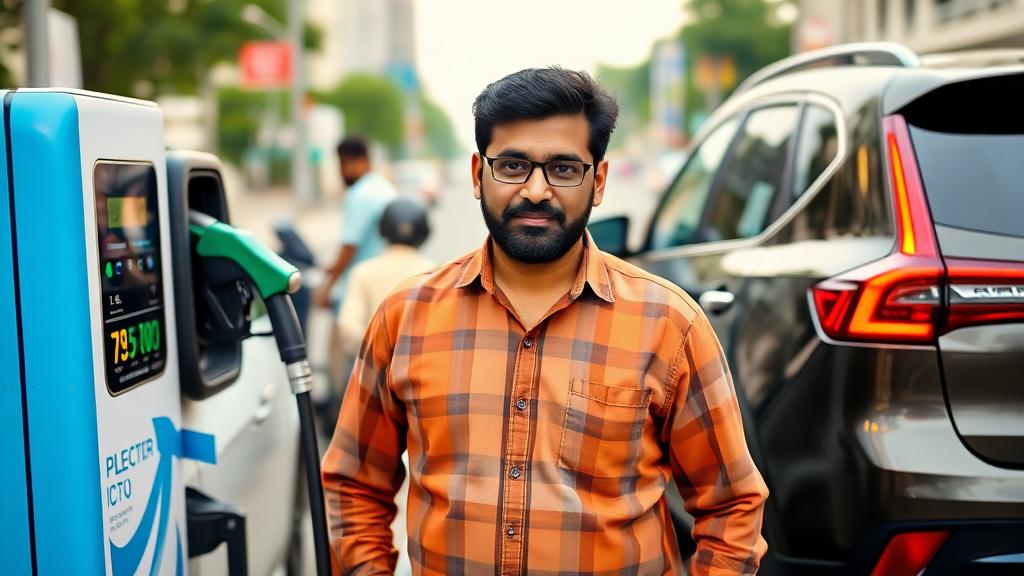
    An Indian man comparing fuel prices with electric charging, with a petrol car and an EV behind him, city background

    These days, you can’t scroll through the news or even go to a showroom without hearing about EVs. Everyone’s talking “EVs is the future”, “no more petrol headache”, and so on. But let’s be honest — when it comes to buying one, it’s not just about the hype. The real question most of us have is: Are EVs actually worth it in India? Or is it just another fancy trend that’ll pass?

    So let’s break it down in simple words, with real numbers and see if putting your hard-earned money on an electric vehicle makes sense in 2025.

    First Up — The Price Tag: Oof or Okay?

    Let’s face it, most EVs still come with a bit of a shock when you first look at the price. Take the Tata Nexon EV starts around ₹14.7 lakh. Meanwhile, the petrol version of Hyundai Venue? You can get that under ₹9 lakh.

    So yeah, you’re staring at a ₹3 to ₹5 lakh gap. Not small at all. But hang on don’t give up yet. There’s more to this story.

    What About Subsidies & Benefits?

    See, the government is really pushing EVs right now. Under schemes like FAME II and some state policies, you can get:

    • Direct discount on EVs (sometimes more than ₹1.5 lakh)
    • Reduced registration and road tax
    • Tax benefits on loans (Section 80EEB gives up to ₹1.5 lakh deduction on interest)

    So, when you add all that up, the price difference starts shrinking. It’s not cheap, but it becomes doable — especially if you’re planning long-term.

    Petrol vs Electricity: The Daily Savings Game

    Now this one’s a big factor. Fuel. You already know how painful petrol prices are. Let’s do a quick math:

    If you drive 15,000 km in a year:

    Vehicle TypeAvg. Cost/kmAnnual Fuel CostCost in 5 Years
    Petrol Car₹7/km₹1,05,000₹5,25,000
    EV₹1.2/km₹18,000₹90,000

    So that’s ₹4.3 lakh just saved on fuel in 5 years. That’s no joke.

    Maintenance: The Quiet Money Saver Nobody Talks About

    Petrol or diesel cars need regular servicing engine oil, filters, clutch, gearbox, exhaust, and whatnot. EVs? Most of that stuff doesn’t even exist.

    On average, EV owners save around ₹25,000 to ₹40,000 a year on maintenance. So in 5 years, that’s another ₹1.25 to ₹2 lakh that stays in your wallet. Basically, fewer headaches and fewer trips to the mechanic.

    But What About Charging?

    Let’s talk about the thing everyone worries about where will I charge this thing?

    Good news 2025 India isn’t the same as even 3 years ago. Charging stations are now in malls, offices, apartments even some kirana store parking lots! Apps like Statiq and Ather Grid make it easy to find chargers near you.

    If you’re staying in a city or big town, daily charging won’t be a problem. Even home charging setups are getting common. Sure, if you’re traveling to very remote areas, it can be tricky but for most daily commutes, you’re covered.

    Battery Life & Resale: Still a Gamble?

    Not really. Most new EVs come with 8-year battery warranties. And battery tech has improved degradation is just 1.5% – 2% per year now. That means even after 10 years, the car’s range is still quite usable.

    And resale? It’s not like before brands like Tata, MG, and Hyundai are holding decent value now. As EVs go mainstream, more buyers are trusting second-hand models too.

    So, Who Should Go for an EV in India?

    Honestly, if you:

    • Drive around 30–60 km daily (especially in city traffic)
    • Have a spot to charge at home or work
    • Plan to keep the car at least 5 years
    • Care about running cost more than top speed

    Then yes, it’s a good bet.

    But if:

    • You live in a remote area with poor charging access
    • You barely drive in a year (under 3,000 km)
    • Or you keep switching cars every 2–3 years

    Then maybe wait a bit or go hybrid.

    Final Thoughts: Are EVs Worth It in 2025 India?

    If you look beyond just the showroom price yes, 100%. The money you save on fuel and maintenance adds up fast. Plus, the driving experience is smooth, quiet, and kinda fun, honestly. And if helping the environment is your thing that’s a bonus.
    Are EVs Really Worth It in India? check here

    For many Indian families today, buying an EV isn’t just a “green” choice it’s a smart one.