Maruti Suzuki has always been the go‑to name when you needed a reliable, pocket‑friendly car. Now, after turning heads at the Bharat Mobility Expo in Delhi with an e‑Vitara mock‑up instead of new paint jobs, the company is ploughing in a staggering ₹90,000 crore to go electric. Here, we’ll unpack why they’re betting big on EVs, what the e‑Vitara rollout looks like, and how this move could change the daily drive for folks from Kolkata’s Howrah Bridge to Chennai’s Marina Beach.
Why ₹90,000 Crore Matters
First off, that capex isn’t just a flashy number. Instead, it shows Maruti’s shift from petrol‑only roots toward a cleaner future. Moreover, Suzuki’s global bosses have already earmarked India as their EV cornerstone, promising over $4 billion by 2031. Consequently, factories in Haryana—like the new Kharkhoda plant—are getting extra production lines, and existing units are seeing high‑tech upgrades. All told, this spend should speed up both electric and conventional car output.
e‑Vitara: The Firstborn EV
By around September 2025, the e‑Vitara will roll off Maruti’s new Heartect‑e line. And honestly, 70,000 units in the first year sounds ambitious; still, given Maruti’s track record, it feels doable. Design whispers talk of a compact SUV stance with enough ground clearance to tackle our city’s potholes. Plus, battery management tweaks aim to ease that nagging range fear many of us have.
Heavy on Exports
You might not know, but Maruti already ships nearly 40 percent of India’s cars overseas. Now, with the e‑Vitara, they’re planning for roughly 70 percent of output to head abroad—places like Japan, Europe, and other markets hungry for small EVs. That way, even if local buyers take their time, Maruti can still hit production targets and keep the assembly lines humming.
India’s EV Scene Today
Even with FAME II incentives, EVs made up only about 2.5 percent of last year’s 4.3 million car sales. In truth, finding a charging point in smaller towns feels like hunting for a needle in a haystack. Meanwhile, battery costs keep sticker prices high, and many drivers worry about resale value down the road. Yet, Maruti’s vast showroom network and trusted service centres could narrow these gaps faster than others. Also, as global battery prices drop, the cost per kilometre should start looking more appealing.
Hurdles Ahead
Still, Maruti won’t have it all its own way. Tata, Hyundai and MG have already planted their EV flags. Hence, Maruti must not only keep prices low but also deliver decent range, fast charging, and a user‑friendly dashboard. On top of that, any trimming of subsidies or changes in GST could force price hikes. Finally, equipping over 3,000 dealers with chargers and training their teams won’t happen overnight—it’ll take careful planning.
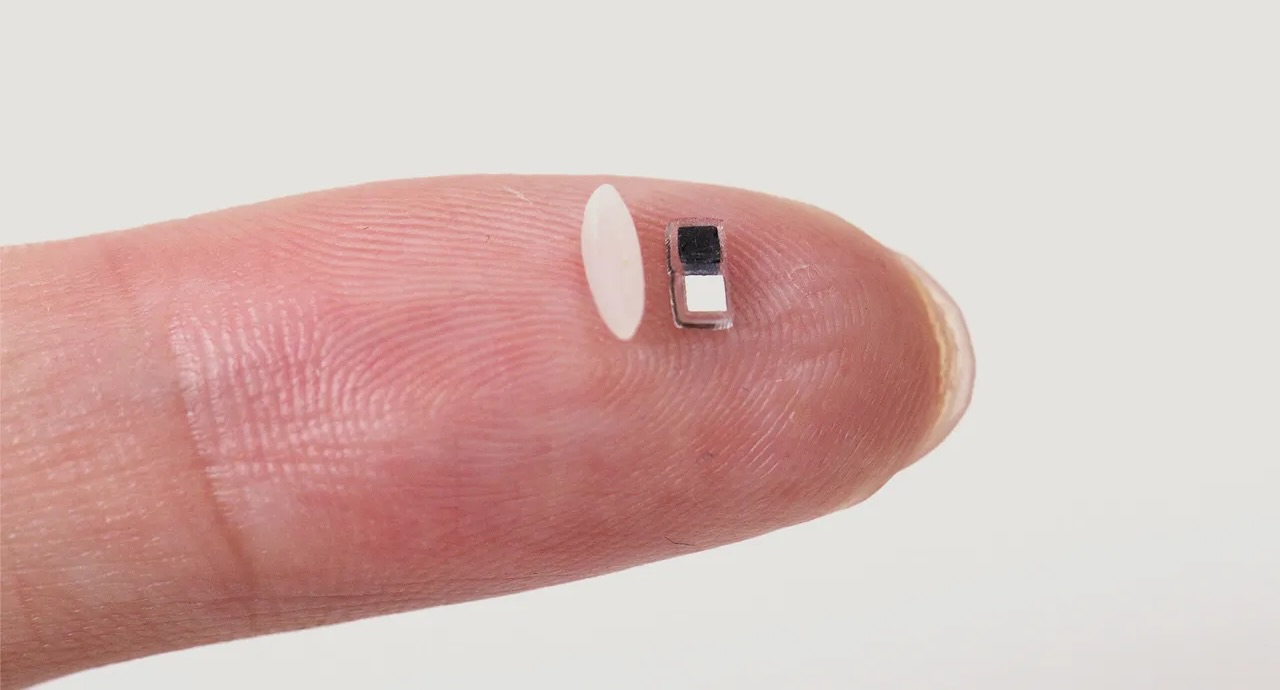
in our country, especially in small towns and villages, babies born with heart problems often don’t make it. It’s painful to say, but it’s true. Many of them come into the world too early or too weak, and their tiny hearts can’t keep up. Some need surgeries, others just need help with their heartbeat. But what do we do when even the tools we have are too big for such small lives, Well, recently, something very new and very tiny came into the picture a heart pacemaker that’s smaller than a grain of rice. And believe it or not, this tiny thing might save a lot of lives, especially in places like ours.
So What’s This Pacemaker All About?
We all know about pacemakers, right? Those little machines that help the heart beat properly. Normally, they’re used for old people or heart patients. But here, we’re talking about newborn babies tiny, delicate, barely a few days old. For them, even the smallest regular pacemaker is too big and risky.
Now, scientists have made this new kind of pacemaker one that’s super small and can be injected into the body. No wires, no surgery, no stitches. You just push it in with a syringe, and it starts working. Sounds unbelievable, but it’s real.
And the best part? After a few days, it melts inside the body. No need to remove it. That means one less operation for the baby. One less tension for the parents.
Why It’s a Big Deal for Our Side of the World
Let’s talk honestly. In big cities, there are fancy hospitals, machines, and specialists. But in small towns, we don’t have all that. Many government hospitals can’t even manage regular heart surgeries, let alone high-tech tools.
That’s why this tiny device could be such a blessing. If doctors can use it even in basic hospitals, then even babies in rural areas will get a chance to survive.
Think about it — if something like this can be done with just a syringe, how many lives can be saved?
How Does the Pacemaker Actually Work?
Okay, without getting too technical, this thing doesn’t have batteries or wires. It works using the body’s natural fluids. There are small metal bits inside it that create tiny electrical pulses when they touch those fluids. That’s enough to keep the heart beating properly for a few days.
To control it, doctors stick a soft patch outside the baby’s chest. Like a small sticker. That patch sends signals (using light!) to tell the pacemaker what to do. No pain. No wires poking inside.
After about a week, when the baby’s heart gets stronger, the device dissolves inside. The body just absorbs it. Simple as that.
Made for Newborns – Not Adults, Not Older Kids
This isn’t a ‘mini version’ of a regular pacemaker. It was made only for babies, especially those who just had heart surgery. In such cases, doctors only need to support the heart for a few days not forever.
Till now, they used regular pacemakers, which had to be removed later. That meant another surgery, more pain, more time in the hospital. This new one avoids all that.
Where It Was Made – And Why It Gives Us Hope
A team of engineers in the US, at Northwestern University, made this device. They knew that babies in many parts of the world, like India, don’t survive because we simply don’t have the right tools. So they built this with exactly that in mind.
It’s not flashy. Not expensive. Just smart. Something that can quietly do its job and disappear without a trace. Kind of like a guardian angel inside the baby’s body.
This Could Be a Lifesaver in India
Let’s look at the numbers. India has over 2.5 crore births every year. Out of those, lakhs of babies are born with heart defects. In villages, many of these babies don’t get the treatment they need. Some families can’t travel. Others don’t even know their child has a heart problem until it’s too late.
This device could change that. If government hospitals get it, if NGOs help spread it, we could see survival rates go up — not just in cities, but also in small districts and towns.
Real-Life Hope – Not Just Science Talk
There was a case in the US — a baby named Mikey. He was too small for a regular pacemaker. Doctors didn’t know what to do. Cases like his are what inspired this invention. In India, we’ll have many more such cases.
Once this device starts being used here, we’ll see real stories of survival. Babies who got a second chance. Parents who didn’t have to bury their child just because treatment wasn’t possible.
Simple, Smart, and So Needed
Honestly, I feel proud that humans can invent such things. But I also feel sad that it took so long. We’ve lost too many babies already. This device won’t fix everything but it’s a big step in the right direction.
Sometimes, the best solutions are not the biggest machines, but the tiniest ones that quietly do their work.
Final Thoughts
If you’re a doctor, nurse, health worker, or just someone who cares, keep an eye on this. Share it. Talk about it. Push for it to come to India soon.
And if you’re a parent-to-be, just know science is trying its best. One small invention at a time.
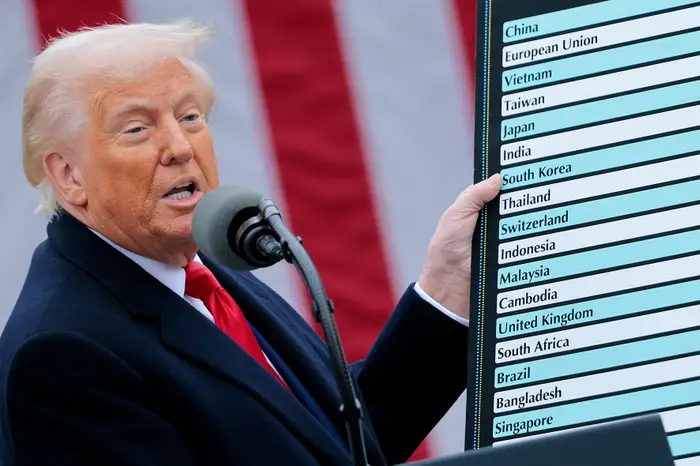
2018 से शुरू हुई अमेरिका की ट्रेड वॉर की कहानी अब 2025 में फिर से चर्चा में है। डोनाल्ड ट्रम्प की लीडरशिप में अमेरिका ने स्टील और एल्युमिनियम जैसे इम्पोर्टेड प्रोडक्ट्स पर भारी टैरिफ़ (25% और 10%) लगाकर ग्लोबल ट्रेड को झटका दे दिया था। अब अप्रैल 2025 में अमेरिका ने एक बार फिर “रिसिप्रोकल” टैक्स लगाते हुए भारत (26%), चीन (54%), यूरोप (20%) और जापान (24%) पर नए टैरिफ थोप दिए हैं। ये कदम अमेरिका के इम्पोर्ट ड्यूटी को WWII के बाद के सबसे ऊँचे लेवल पर ले गया है। WTO के अनुसार, इससे वर्ल्ड ट्रेड में लगभग 3% की गिरावट हो सकती है।
भारतीय बाजारों में हड़कंप
जैसे ही ये खबर आई, भारतीय स्टॉक मार्केट्स में अफरा-तफरी मच गई। सेंसेक्स और निफ्टी 5% तक गिर गए – जो कई सालों में सबसे बड़ा झटका था। सिर्फ 7 अप्रैल 2025 को ही बाज़ार की वैल्यू ₹14 से ₹19 लाख करोड़ तक घटी। बड़ी अमेरिकी निर्भरता वाली कंपनियों जैसे Tata Group की मार्केट वैल्यू में अकेले ~₹2.4 लाख करोड़ की गिरावट आई।
ऑटोमोबाइल, मेटल, IT, फार्मा, जेम्स, टेक्सटाइल – लगभग हर सेक्टर पर असर पड़ा। विदेशी निवेशकों ने भी डर के मारे पैसे निकाल लिए। नतीजा ये रहा कि सोने की कीमतें बढ़ीं, सरकारी बॉन्ड्स की डिमांड बढ़ी और रुपया कई महीनों के निचले स्तर पर आ गया। जिन कंपनियों का बिज़नेस अमेरिका पर ज्यादा निर्भर है, उन्हें सबसे ज्यादा नुकसान झेलना पड़ा।
निवेशकों में डर और गिरावट
7 अप्रैल का दिन ‘ब्लैक मंडे’ जैसा बन गया। हर सेक्टर गिरा – खासकर ऑटो, मेटल, फार्मा, टेक्सटाइल, IT और जेम्स में बड़ी गिरावट देखी गई। सेंसेक्स-निफ्टी में भारी बिकवाली ने आम निवेशक को एक ही दिन में ₹14.2 लाख करोड़ का नुकसान दिया। एक्सपर्ट्स का मानना है कि ये गिरावट ज्यादातर सेंटिमेंट से आई है, फंडामेंटल्स अब भी स्टेबल हैं। अगर अमेरिका और बाकी देशों के बीच समझौता होता है, तो मार्केट तेज़ी से रिकवर भी कर सकता है।
भारत-अमेरिका ट्रेड रिश्ते और रिएक्शन
भारत और अमेरिका का द्विपक्षीय व्यापार $190 बिलियन से भी ऊपर है, जिसमें भारत को ~$50 बिलियन का सरप्लस मिलता है। अमेरिका का कहना है कि भारत के टैरिफ़ (17% औसतन) काफी ज़्यादा हैं, जबकि अमेरिका सिर्फ 3% के आसपास टैरिफ़ लेता है। ऐसे में अमेरिका ने ‘रिसिप्रोकल’ रुख अपनाते हुए ये नया टैक्स लगाया।
भारत के पास अमेरिका जैसी बराबरी से पलटवार करने की ज्यादा गुंजाइश नहीं है क्योंकि भारत की कई एक्सपोर्ट आइटम्स (जैसे दवाइयाँ और फूड प्रोडक्ट्स) अमेरिका में पहले से ही ड्यूटी-फ्री हैं। फिर भी भारत ने 2018 में $900 मिलियन के अमेरिकी एग्री प्रोडक्ट्स (सेब, बादाम वगैरह) पर टैरिफ़ का ऐलान किया था, लेकिन उसे लागू करने से पहले बात-चीत शुरू हो गई और फिलहाल मामला होल्ड पर है।
अप्रैल 2025 में अमेरिका ने भारत को 90 दिनों की राहत दी है – जुलाई तक कुछ एक्सपोर्ट्स पर नया टैक्स नहीं लगेगा, ताकि बातचीत आगे बढ़ सके। लेकिन दोनों देशों के रिश्तों में तनाव बना हुआ है। भारत को अब बहुत समझदारी से कदम उठाने होंगे – एक तरफ अमेरिका से दोस्ती रखनी है, तो दूसरी ओर अपने इंडस्ट्रीज़ को भी प्रोटेक्ट करना है।
बाकी दुनिया की हालत
भारत अकेला नहीं है। ट्रम्प की टार्गेट लिस्ट में सबसे ऊपर चीन है, जिस पर अब 54% औसतन टैक्स लग रहा है। जवाब में चीन ने भी 800 अमेरिकी प्रोडक्ट्स पर ड्यूटी लगाई। हाल ही में उसने सभी अमेरिकी इम्पोर्ट्स पर 34% का टैक्स भी लगा दिया। इसके बाद ट्रम्प ने धमकी दी कि टोटल टैक्स 104% तक जाएगा। इस वजह से हॉन्ग कॉन्ग, शंघाई और ताइवान के स्टॉक मार्केट्स में 7-9% तक गिरावट आई।
यूरोप और अमेरिका के बीच भी टेंशन है। 2018 में यूरोप ने WTO के ज़रिए अमेरिका का विरोध किया और काउंटर-टैरिफ़्स लगाए। लेकिन 2021 में बाइडन सरकार ने कुछ राहत दी थी। अब फिर से यूरोप पर करीब 20% टैक्स लगाया गया है। कनाडा और मेक्सिको को USMCA समझौते के बाद कुछ राहत मिली थी, लेकिन चाइनीज़ इनपुट्स की वजह से अब भी लागत बढ़ रही है।
इंडो-पैसिफिक के बाकी देश जैसे वियतनाम, सिंगापुर आदि फिलहाल रिटैलिएशन से बच रहे हैं। वो अपनी एक्सपोर्ट मार्केट को डायवर्सिफाय कर रहे हैं और अमेरिका से सीधे बातचीत की कोशिश में हैं।
आर्थिक और रणनीतिक बदलाव
ट्रंप की टैरिफ पॉलिसी सिर्फ व्यापार तक सीमित नहीं है, इसका असर जियोपॉलिटिक्स पर भी पड़ रहा है। चीन से मैन्युफैक्चरिंग हटाकर अब कई कंपनियाँ भारत, ब्राज़ील जैसे देशों की तरफ देख रही हैं। अगर इंडिया अपने इम्पोर्ट ड्यूटीज़ को थोड़ा आसान करे और इंफ्रास्ट्रक्चर पर तेज़ी से काम करे, तो ये मौका बन सकता है।
साथ ही, ट्रेड नियमों पर अमेरिका के इस रवैये से WTO जैसी संस्थाओं पर भरोसा कम हो रहा है। चीन की RCEP जैसी नई ट्रेड ब्लॉक्स को इससे फायदा हो सकता है। अमेरिका के साथ सुरक्षा के मामले में भारत की नज़दीकी (जैसे QUAD) बढ़ रही है, लेकिन साथ ही भारत यूरोप, मिडिल ईस्ट और रूस के साथ भी अपने रिश्ते मज़बूत करने में लगा है।
आगे क्या?
कम-से-कम शॉर्ट टर्म में तो भारतीय बाजारों में उतार-चढ़ाव जारी रहेगा। इंपोर्ट महंगे होने से महंगाई और ग्रोथ पर असर हो सकता है। लेकिन भारत के बहुत से एक्सपोर्टर पहले से ही ऐसे हालातों में काम करने के आदी हैं – खासकर फार्मा और IT सेक्टर। अगर अमेरिका और भारत के बीच कोई समझौता हो जाता है, तो मार्केट तेज़ी से रिकवर कर सकता है।
लंबे समय में देखा जाए तो ये घटना भारत को अपने ट्रेड नियमों में बदलाव लाने, इम्पोर्ट टैक्स कम करने और फ्री मार्केट की ओर बढ़ने के लिए प्रोत्साहित कर सकती है। कुल मिलाकर, ट्रम्प की ये पॉलिसी भारत के लिए एक इम्तिहान भी है और एक मौका भी। अब देखना है कि भारत इस चुनौती का जवाब कैसे देता है – बातचीत, पॉलिसी रिफॉर्म या इंडस्ट्री को सपोर्ट देकर।
Trump tariffs India markets: Beginning in 2018, the Trump administration unleashed a broad trade war. It slapped 25% tariffs on imported steel and 10% on aluminum, then applied a 10% surcharge on nearly all imports and much higher rates on key partners. By April 2025, the US announced “reciprocal” tariffs targeting India (26%) along with China (54%), the EU (20%), Japan (24%) and others. These moves pushed America’s average import duty to the highest level since World War II, sparking fears of a prolonged global recession. The World Trade Organization’s Pamela Coke-Hamilton warned that the turmoil could shrink world trade by about 3%, as supply chains reorient toward India, Brazil and other emerging markets. In short, the new tariffs have dramatically raised prices and uncertainties worldwide, fueling volatile reactions in India.
Impact on Indian Markets (Short Term)
Indian stock markets plunged on news of the tariffs. BSE Sensex and Nifty 50 dropped about 5% in a single session – one of the worst falls in years. By April 7, 2025, BSE market capitalization had lost over ₹14–19 lakh crore (trillions of rupees). Broad indices were dragged down by heavy selling in companies tied to the US economy. For example, Tata Group firms (large US exposure) saw their combined market value shrink by ~₹2.4 lakh crore. Other sectors hit hard included automobiles, metals, IT services, pharmaceuticals, textiles and gems.
Economists attribute this sell-off to panic over higher import costs and slower export demand. Foreign funds withdrew from Indian equities, and investors sought safer assets. Gold prices and government bonds rallied while the rupee slid to multi-month lows under the pressure. Analysts note that companies with large U.S. business (consumer goods, tech services, etc.) saw the steepest declines, as investors “offloaded shares of companies with US exposure” amid fears of a worldwide downturn. Overall, the tariff shock triggered a bout of extreme volatility in Indian markets, wiping out years of gains in days.
Stock Market Reaction
Investors immediately turned bearish. Indian equities were hit by a wave of margin calls and panic selling. On April 7, 2025 Sensex and Nifty each fell roughly 5% in one day, only recovering some losses at the close. That “Black Monday” erased decades of gains for the day, costing the average investor ₹14.2 lakh crore. The drop was broad-based: every sectoral index saw multi-percentage declines, led by auto, metal, IT, pharma, textiles and gems. Notably, firms with strong US revenue streams were sold off most aggressively.
This turmoil drove foreign portfolio outflows and a scramble for safe havens. The Bombay Stock Exchange warned that any global recovery or tariff roll-back could quickly reverse the slide. Meanwhile, credit markets priced in higher risk: corporate bond spreads ticked up slightly and banks reported caution in new loans. Commodity prices also reacted – oil dipped on growth worries, while gold climbed as investors sought protection. Analysts emphasize that much of this damage is due to sentiment – fundamentals have not yet fully changed – suggesting a possible rebound if tensions ease.
India–US Trade Relations & Retaliation
India’s trade with the US is significant: bilateral trade exceeds $190 billion/year, with India running a ~$50 billion surplus. American officials point out that India’s average tariff on US goods (~17%) far exceeds the US rate (~3%). Washington justified its tariffs as “reciprocal” measures to correct this imbalance.
In practice, India has limited ability to retaliate symmetrically. A U.S. think-tank notes that many Indian imports (pharmaceuticals, certain foods) are low or zero-duty in the US. Nonetheless, India originally announced its own tariffs on $900 million of US agricultural exports (apples, almonds, etc.) in response to 2018 steel and aluminum tariffs. Those duties were to mirror US rates but have been largely shelved pending talks. For now, India is instead lobbying Washington (through WTO and diplomacy) to avoid a trade war. Prime Minister Modi’s government stresses that India and the US are “friends” and is seeking exemptions or a limited deal. In April 2025 the US paused additional duties on some Indian exports for 90 days (until July) in exchange for ongoing talks.
Still, bilateral relations are under strain. The US-China conflict and shifting alliances mean India must balance strategic partnership with protection of its own industries. Policymakers in New Delhi are unlikely to lower their tariffs easily – the very reason Trump imposed them in the first place. Any future concessions (on visas, data flows, etc.) may be tied to trade. In short, India is playing a delicate game: protecting exporters in the short term, while negotiating with the US to avoid an escalation.
International Comparisons
India is not alone. China has been the main target of Trump’s trade campaign. Beijing now faces an effective 54% average tariff on its exports, and has retaliated in kind – imposing duties on around 800 US goods, totaling ~$20.6 billion in 2018 alone. In early April 2025 China announced a 34% tariff on all US imports in response to the new US levies, prompting Trump to threaten a cumulative 104% tariff if China does not back down. Stock markets in Hong Kong, Shanghai and Taiwan dropped more than 7–9% in one day, illustrating the contagion.
The EU and U.S. have a more mixed legacy. In 2018, when Trump slapped metal tariffs, Europe protested via the WTO and imposed ~$3.6 billion of counter-tariffs. By 2021 the Biden administration lifted those sanctions. However, under the new plan the EU was hit with ~20% on many goods. Canada and Mexico – originally exempt from steel/aluminum tariffs – eventually agreed to USMCA (replacing NAFTA) and saw those duties removed by mid-2019. In this latest round, North American trade flows aren’t directly affected (the new US plan excluded USMCA countries), but Mexico’s factories do feel higher costs on Chinese inputs.
Across the Indo-Pacific, most countries (aside from China) have so far avoided immediate retaliation. Governments are instead exploring strategies like diversifying export markets, cutting domestic tariffs and engaging with Washington bilaterally. For example, Vietnam and ASEAN exporters are shifting sales to Europe, Korea and the Middle East. A recent survey warns that unless global tensions ease, many economies could face long-term slowdowns and a fracturing of trade links.
Geopolitical & Economic Shifts
Trump’s tariff policy – and the uncertainty around it – is catalyzing broader changes. Some emerging economies could gain export share as supply chains move out of China. Indeed, experts forecast that a lasting 3% drop in global trade would redistribute exports toward countries like India and Brazil. India may attract more foreign investment in manufacturing as companies look for alternatives, though high Indian tariffs remain a hurdle. Domestically, the shock strengthens voices calling for reforms: lower import duties, faster infrastructure spending and new trade deals to insulate the economy.
Geopolitically, the US moves have weakened trust in multilateral trade rules. The Administration’s tariff actions have prompted complaints to the WTO and may bolster rival trade blocs (e.g. China’s Regional Comprehensive Economic Partnership). Meanwhile, the Sino-US trade war and fears of “decoupling” have driven closer security ties between India and the US (Quad) – but also encourage India to hedge by deepening trade links with Europe, the Middle East and Russia. In sum, American tariffs are not just an economic lever but a strategic signal: that the global order is shifting to a more competitive, less cooperative era.
Outlook
In the short term, India’s markets will likely remain jittery. Analysts caution that inflation (from higher import prices) and slower growth are possible outcomes. However, many Indian exporters are already accustomed to volatility, and sectors like pharmaceuticals and IT services have some insulation. If a negotiated compromise emerges (or if tariffs are delayed), a sharp rebound in markets is possible. Longer-term, the experience may prod India to ease some trade barriers and accelerate moves toward a free-market economy – changes that could ultimately bolster resilience.
Ultimately, Trump’s tariff barrage has shaken Indian markets and tested policymakers, but it has also underscored India’s role as a rising middle power. How New Delhi responds – through diplomacy, industry support and reforms – will shape its economic fortunes in a post-2025 world.
22 अप्रैल 2025 को हुए Pahalgam हमले की खबर ने पूरे देश को हिला कर रख दिया। जिस जगह को अपनी खूबसूरत प्राकृतिक सौंंदर्य के लिए जाना जाता था, वहां आतंकवादियों ने निर्दोष पर्यटकों पर गोलियाँ चलाईं, जिससे कम से कम 26 लोगों की जान चली गई। इनमें से अधिकांश पीड़ित हिंदू पर्यटक थे, और गवाहों के अनुसार हमलावरों ने गोलियाँ चलाने से पहले लोगों से उनके धर्म के बारे में पूछा। मरने वालों में एक कश्मीरी मुस्लिम भी था, जिसने दूसरों की जान बचाने के लिए अपनी जान दी।
जैसे ही हम पीड़ितों के लिए शोक मना रहे थे, एक और संकट चुपचाप उभरने लगा: पूरे देश में मुस्लिमों के खिलाफ नफरत और अविश्वास का खतरनाक बढ़ाव। इस ब्लॉग में, मैं बात करना चाहता हूँ कि कैसे इस नरसंहार ने इस्लामोफोबिया को बढ़ावा दिया, कैसे पक्षपाती मीडिया ने डर को और बढ़ाया, और हम भारतीयों के तौर पर हम अपनी एकता को बनाए रखने के लिए क्या कर सकते हैं।
मुझे पता है कि यह एक संवेदनशील विषय है, लेकिन मैं इसे आशा के साथ लिख रहा हूँ उम्मीद है कि अच्छाई अभी भी मौजूद है और एकता अभी भी जीत सकती है।
Pahalgam में हुआ भयानक हमला और उसके बाद जो हुआ
उस दुखद मंगलवार को, Pahalgam जो आमतौर पर हंसी-खुशी और पर्यटकों से भरा रहता है खून से सनी जमीन बन गया। पुलिस ने बताया कि आतंकवादियों ने बिना किसी लक्ष्य के गोलियाँ चलाईं, जिससे दर्जनों लोगों की जान चली गई। यह कश्मीर में सालों में हुआ सबसे बुरा नागरिक हमला था।
बाद में जो विवरण सामने आए, वे और भी भयानक थे: हमलावरों ने कथित तौर पर पीड़ितों से उनका धर्म पूछा और फिर गोली चला दी। 26 मरने वालों में से 25 हिंदू पुरुष थे, और 26वां एक युवा कश्मीरी मुस्लिम था, जो हमलावरों को रोकने की कोशिश कर रहा था।
आज भी मुझे याद है, जब मैंने यह खबर सुनी थी, तो मैं चुपचाप बैठा सोच रहा था, “ऐसे जानवर कौन हो सकते हैं?” मेरा दिल उनके परिवारों के लिए टूट गया। लेकिन जैसे ही हम इस त्रासदी को समझने की कोशिश कर रहे थे, एक नया खतरा फैलने लगा इस बार बंदूकों से नहीं, बल्कि शब्दों, नफरत, और शक से।
शहरों और कस्बों में सोशल मीडिया पर गुस्से की लहर दौड़ गई। कुछ पोस्टों ने पूरे कश्मीरी मुस्लिम समुदाय को हमले के लिए दोषी ठहराया। मैंने انتقام की आवाजें सुनीं, बहिष्कार की बातें की गईं, और यहां तक कि हिंसा की धमकियाँ भी दी गईं। कुछ इलाकों में कश्मीरी छात्रों को घरों से बाहर निकाल दिया गया। दुकानदारों ने “कश्मीरी दिखने वाले” ग्राहकों को सेवा देने से इनकार कर दिया। देहरादून में, एक हिंदुत्व समूह ने कश्मीरी मुस्लिमों को “सुबह 10 बजे तक यहाँ से निकलने या परिणाम भुगतने” की धमकी दी।
यह देखना डरावना था कि कैसे डर और नफरत इतनी जल्दी फैल गई। एक छोटे से आतंकवादी समूह द्वारा किया गया हमला अचानक लाखों निर्दोष भारतीयों को उनके अपने देश में असुरक्षित महसूस करने पर मजबूर कर दिया।
इस्लामोफोबिया का बढ़ता हुआ खतरा: भारत भर से कुछ वास्तविक कहानियाँ
Pahalgam हमला अकेला नहीं था। पिछले एक साल में, भारत के मुस्लिमों को लगातार भेदभाव और नफरत का सामना करना पड़ रहा है। अधिकांश मुस्लिम आम लोग हैं विक्रेता, शिक्षक, डॉक्टर, ड्राइवर जो बस शांति से जीने की कोशिश कर रहे हैं। फिर भी, बार-बार एक छोटे समूह के हिंसा को पूरे समुदाय पर आरोपित किया जा रहा है।
यहां कुछ दुखद हकीकतें हैं जो हमने देखी हैं:
भीड़ हिंसा और हत्या: पिछले साल जून में, अलीगढ़ में एक मुस्लिम कुक को केवल इस वजह से पीट-पीटकर मार डाला गया क्योंकि किसी ने उस पर गोमांस ले जाने का शक किया था। उसी समय छत्तीसगढ़ में दो मुस्लिम पुरुषों को इसी तरह की शक के कारण पीट-पीटकर मार डाला गया। ये घटनाएँ यह दिखाती हैं कि अफवाहें कितनी खतरनाक हो सकती हैं।
आर्थिक बहिष्कार: Pahalgam हमले के बाद, सोशल मीडिया पर मुस्लिम व्यवसायों का बहिष्कार करने की आवाजें उठने लगीं। पंजाब और उत्तराखंड में, कश्मीरी किरायेदारों को उनके घरों से बाहर निकलने को कहा गया। कुछ दुकानदारों ने “मुस्लिम दिखने वाले” लोगों को सामान बेचने से मना कर दिया, जिससे पूरे समुदाय को और अलग-थलग कर दिया।
छात्रों का उत्पीड़न: दिल्ली और पुणे जैसे शहरों में कश्मीरी छात्रों को उत्पीड़न का सामना करना पड़ा। कुछ को तंग किया गया, तो कुछ को धमकियाँ दी गईं। अब कई छात्र बाहर निकलने या ऑनलाइन खाना मंगाने में डरते हैं। एक लड़के ने रिपोर्टर से कहा कि वह अपनी जाति की वजह से “शापित” महसूस करता है।
ऑनलाइन नफरत और झूठी खबरें: शायद सबसे खतरनाक ट्रेंड है ऑनलाइन झूठी खबरों और नफरत भरे संदेशों का फैलाव। “सभी कश्मीरी आतंकवादी होते हैं” जैसे झूठे दावे वायरल हो गए। दूसरे देशों में हुई हिंसा की पुरानी वीडियो को Pahalgam की हाल की घटना के रूप में दिखाया गया। झूठ का इस्तेमाल डर फैलाने के लिए किया गया।
इन कहानियों को सुनना दिल तोड़ने वाला है। जहां मैं रहता हूं, वहाँ हिंदू और मुस्लिम दशकों से एक साथ रहते हैं। फिर भी, यहां भी मैंने सुनी हैं टिप्पणियाँ जैसे “वे हमेशा ऐसा क्यों करते हैं?” यह दर्दनाक है क्योंकि निर्दोष मुस्लिमों का इस आतंकवादी हमले में कोई हाथ नहीं था। लेकिन जब डर हावी हो जाता है, तो तर्क अक्सर बाहर चला जाता है।
मीडिया का रोल: नफरत को बढ़ावा देना
मीडिया पब्लिक ओपिनियन को गाइड कर सकती है अच्छे या बुरे तरीके से। Pahalgam के बाद, मैंने देखा कि कैसे चयनात्मक रिपोर्टिंग और सनसनीखेज हेडलाइंस ने स्थिति को और बिगाड़ दिया।
कई हेडलाइनों ने “आतंकवादी” शब्द का इस्तेमाल किया, लेकिन कभी भी पीड़ितों के बारे में सही तरीके से नहीं बताया। कितने टीवी चैनलों ने यह बताया कि एक मुस्लिम व्यक्ति ने हिंदू पर्यटकों को बचाने के लिए अपनी जान दी? शायद ही किसी ने। इसके बजाय, बड़ा नैरेटिव बन गया: “कश्मीरी मुस्लिम खतरनाक होते हैं।”
प्राइम-टाइम डिबेट्स में, कुछ एंकरों ने बिना किसी प्रमाण के यह सवाल उठाया कि क्या कश्मीरी प्रवासी आतंकवादियों की मदद कर रहे थे। इस बीच, झूठी खबरों के लेख फैल रहे थे, जो नफरत फैलाने के लिए झूठे और भ्रामक दावे कर रहे थे।
क्या हम कुछ कर रहे हैं?
यह एक व्यक्तिगत चिंता का विषय है। क्या आम हिंदू लोग जब अन्याय देखें तो आवाज़ उठाते हैं?
कुछ छोटे लेकिन महत्वपूर्ण प्रयास हुए हैं। कर्नाटका में, स्थानीय मुस्लिम समुदायों ने हमले की निंदा करते हुए शांतिपूर्ण प्रदर्शन किए। उन्होंने स्पष्ट रूप से कहा, “हमारे धर्म में हिंसा की अनुमति नहीं है। हम भी पीड़ितों के लिए शोक करते हैं।”
कुछ हिंदू लोग निजी तौर पर मुस्लिम दोस्तों के प्रति सहानुभूति व्यक्त करते हैं। कुछ नागरिक समूह, छात्र और यहां तक कि सेलेब्रिटीज़ ने भी लिंचिंग्स और नफरत भरे भाषण की निंदा की है। लेकिन सार्वजनिक आवाज़ें अब भी बहुत कम हैं। सबसे अधिकतर, सोशल मीडिया पर नफरत भरे नारों के बीच समझदारी की आवाज़ें दब जाती हैं।
हम क्या कर सकते हैं? कुछ कदम एकता की ओर
हम एक अद्भुत विविधता वाले देश हैं। हम कुछ चरमपंथियों को वह नहीं करने दे सकते जो सदियों में बनाई गई एकता को तोड़ने का प्रयास करें।
यहाँ कुछ उपाय दिए गए हैं जो हम सभी कर सकते हैं:
स्थानीय समुदाय की पहलें: मोहल्ले में बैठकें, सामूहिक प्रार्थनाएँ, खेल आयोजनों का आयोजन करें — कुछ भी जो लोगों को एक साथ लाए और विश्वास को बढ़ाए।
बेहतर शिक्षा: स्कूलों में हिंदू-मुस्लिम एकता की असली कहानियाँ पढ़ाई जाएं, विशेषकर स्वतंत्रता संग्राम से। युवा पीढ़ी को फेक न्यूज पहचानने की क्षमता सिखाई जाए।
मीडिया की जिम्मेदारी: पत्रकारों और टीवी चैनलों को जब वे डर फैलाएं तो उनपर कार्रवाई की जानी चाहिए।
व्यक्तिगत दयालुता: अपने पड़ोसियों से बात करें। किसी अन्य धर्म के व्यक्ति को चाय पर बुलाएं। सोशल मीडिया पर नफरत भरे संदेशों के बजाय सकारात्मक संदेश शेयर करें।
अंतिम विचार
आतंकवादियों ने Pahalgam में हमें बांटने की कोशिश की। हमें उन्हें सफल नहीं होने देना है।
नफरत हिंसा का जवाब नहीं हो सकती। एकता, करुणा, और साहस का होना चाहिए। और हर भारतीय हिंदू, मुस्लिम, सिख, ईसाई को यह विश्वास करना चाहिए कि हम में से एक पर हमला, हम सभी पर हमला है।
यह लड़ाई केवल आतंकवादियों से नहीं है, बल्कि उन नफरत के बीजों से भी है जो हमारे बीच धीरे-धीरे बोए जा रहे हैं। चलिए हम उन्हें पानी न दें। डर के बजाय उम्मीद को चुनें, और विभाजन के बजाय एकता को अपनाएं।
The news of the Pahalgam attack on April 22, 2025, shook our entire nation to the core. In a place known for its scenic beauty, gunmen opened fire on innocent tourists, killing at least 26 people. Most of the victims were Hindu visitors, and according to eyewitnesses, the attackers even asked people their religion before shooting. Among the dead was a Kashmiri Muslim man, who lost his life trying to protect others.
As we grieved for the victims, another crisis quietly started brewing: a dangerous surge of hatred and mistrust against innocent Muslims across the country. In this blog, I want to talk about how this massacre led to rising Islamophobia, how biased media fueled fears, and what we as Indians can do to keep our unity intact.
I know this is a sensitive topic, but I’m writing it with hope — the hope that goodness still exists and unity can still win.
The Horror at Pahalgam and What Followed
On that heartbreaking Tuesday in April, Pahalgam — a place usually filled with laughter and tourists — turned into a scene of bloodshed. Police said militants opened fire at random, killing dozens. It was one of the worst civilian attacks Kashmir had seen in years.
The details that emerged later were even more chilling: the gunmen reportedly asked victims about their religion before pulling the trigger. Out of the 26 who died, 25 were Hindu men, and the 26th was a young Kashmiri Muslim ponywallah who tried to stop the attackers.
I still remember sitting stunned, thinking, “What kind of monsters would do this?” My heart broke for the families. But even before we could process this tragedy, a new danger started spreading — this time, not from guns, but from words, hatred, and suspicion.
Across cities and towns, social media exploded with anger. Some posts blamed all Kashmiri Muslims for the attack. I saw calls for revenge, boycotts, even violence. In some areas, Kashmiri students were evicted by landlords. Shops refused to serve customers who “looked Kashmiri.” In Dehradun, one Hindutva group even warned Kashmiri Muslims to “leave by 10 a.m. or face consequences.”
It was frightening to watch fear and hate grow so fast. A terror attack by a few extremists suddenly made millions of innocent Indians feel unsafe in their own country.
Rising Islamophobia: Real Stories From Across India
The Pahalgam attack didn’t happen in isolation. Over the past year, India’s Muslims have been facing increasing discrimination and hate. Most Muslims are ordinary people — vendors, teachers, doctors, drivers — just trying to live peacefully. Yet, time and again, a small group’s violence is unfairly used to paint all of them with the same brush.
Here are some grim realities we’ve seen:
Mob Violence and Lynchings: In June last year, a Muslim cook in Aligarh was beaten to death by a mob simply because someone suspected him of carrying beef. Around the same time in Chhattisgarh, two Muslim men were lynched over similar suspicions. These incidents show how dangerous rumors can be.
Economic Boycotts: After the Pahalgam attack, calls to boycott Muslim businesses spread like wildfire on social media. In Punjab and Uttarakhand, Kashmiri tenants were asked to vacate their homes. Some shopkeepers openly refused to sell to people “looking Muslim,” further isolating entire communities.
Harassment of Students: Young Kashmiri students reported facing harassment in places like Delhi and Pune. Some were bullied, others threatened. Many are now scared to even step out or order food online. One boy told a reporter he felt “cursed” just because of his ethnicity.
Online Hate and Fake News: Perhaps the most dangerous trend is the flood of fake news and hate messages online. Wild claims like “all Kashmiris are terrorists” went viral. Old videos of violence from other countries were passed off as recent footage from Pahalgam. Lies were weaponized to spread panic.
Hearing these stories is heartbreaking. Where I live, Hindus and Muslims have lived side by side for decades. And yet, even here, I heard comments like, “Why do they always do this?” It hurts because innocent Muslims had no role in this terror attack. But when fear takes over, logic often flies out of the window.
The Media’s Role in Fanning the Flames
Media can guide public opinion — for better or worse. After Pahalgam, I noticed how selective reporting and sensational headlines made things worse.
Many headlines screamed about “terrorists” but rarely mentioned the victims’ backgrounds properly. How many TV channels highlighted that a Muslim man died trying to save Hindu tourists? Hardly any. Instead, the larger narrative became: “Kashmiri Muslims are dangerous.”
On prime-time debates, some anchors irresponsibly asked if Kashmiri migrants were secretly helping terrorists, without a shred of proof. Meanwhile, fake news articles floated around, with shocking but false claims designed to stir hatred.
Even mainstream papers sometimes focused more on sensationalism than facts. A Times of India piece speculated about victims’ clothes being torn, which only added more horror without adding clarity.
In the race for views and ratings, many media houses forgot their responsibility: to report truthfully without fueling hate. Worse, many media consumers don’t cross-check what they hear.
The government should take action on journalists to avoid such a hate speech and guide public opinion on good direction
Are we doing ?
This is something that personally worries me. Are ordinary Hindus speaking up enough when they see injustice?
There have been small but meaningful efforts. In Karnataka, local Muslim communities held peaceful protests condemning the attack. They said loud and clear: “Our religion forbids violence. We mourn for the victims too.”
Some Hindus I know privately express sympathy toward Muslim friends. A few civil groups, students, and even celebrities have condemned lynchings and hate speech. But public voices are still too few. Most often, hateful slogans on social media drown out the sane ones.
I feel more Hindus need to stand up visibly — write articles, share positive messages, and show solidarity. Silence can sometimes be mistaken for agreement. In my own way, I try: whenever an uncle or neighbor makes a sweeping statement against Muslims, I gently correct them.
Hatred survives when good people stay silent. If more of us speak up, even small acts can slowly push hate back into the shadows.
What Can We Do? Some Steps Towards Unity
We are a country of incredible diversity. We cannot let a few extremists break what centuries have built. Here’s what I believe we can all do:
Local Community Initiatives: Organize neighborhood meetings, joint prayers, sports matches between communities — anything that brings people together and builds trust.
Better Education: Schools must teach real stories of Hindu-Muslim unity, especially from our freedom struggle. Media literacy programs should be encouraged to teach young people how to spot fake news.
Media Accountability: Journalists and TV channels must be called out when they spread fear instead of facts. Press councils and citizen watchdogs should pressure media to report responsibly.
Individual Acts of Kindness: Talk to your neighbors. Invite someone from another faith for chai. Post positive stories on your social media instead of hate forwards. Change starts with small, everyday actions.
Final Thoughts
Terrorists tried to divide us at Pahalgam. We must not let them succeed.
Hatred cannot be the answer to violence. Unity, compassion, and courage must be. And every Indian — Hindu, Muslim, Sikh, Christian — must believe that an attack on one of us is an attack on all of us.
The fight isn’t just against terrorists with guns. It’s also against the seeds of hatred being quietly planted among us. Let’s refuse to water them. Let’s choose hope over fear, and unity over division.