Author: Ravi k

  • A Tahawwur Rana Is Finally Here But-Is Justice Really Closer?

    A Tahawwur Rana Is Finally Here But-Is Justice Really Closer?

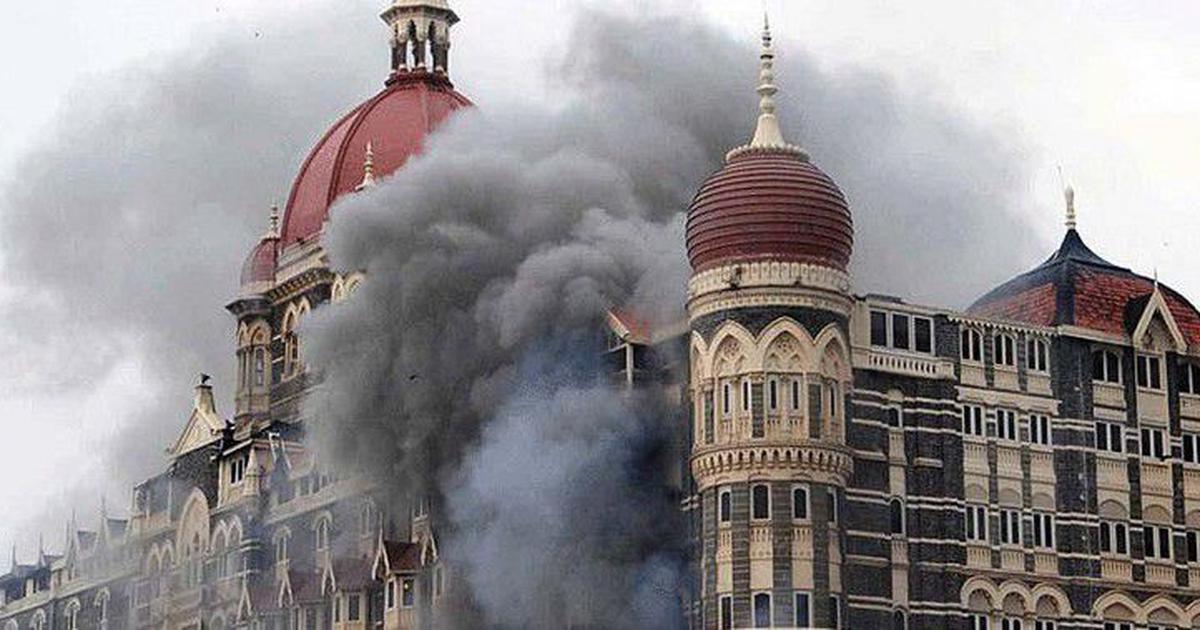
    Taj Hotels attack on 26/11

    As I sat on my balcony this morning, with chai in hand and birds just starting their noisy chatter, the news was impossible to miss Tahawwur Rana has finally landed in India. After nearly 17 years, he’s here. Not as a visitor, but as a man facing questions about one of the darkest days in our country’s recent memory 26/11.

    His extradition from the U.S. on April 10 didn’t just end a long legal tug-of-war. It stirred something deepermemories, anger, hope, maybe even doubt. Everyone’s asking the same thing: does this mean justice is finally knocking, or are we about to be pulled into another never-ending courtroom drama?

    Touchdown in Delhi, and the NIA’s Ticking Clock

    Rana arrived yesterday evening, brought in under heavy guard by the National Investigation Agency. He’s being kept in a tightly monitored 14×14-foot cell at the NIA headquarters, under the watch of a dozen officers. At the centre of it all is DIG Jaya Roy and her team, who’ve been handed 18 days to get answers out of him.

    Right now, the interrogation is digging deep—looking for links to Pakistan’s ISI, checking through emails and old communications, and probing whether Rana knew more than what’s already on record. The agencies are also hinting at potential plots in other Indian cities.

    He’s claimed he’s got Parkinson’s and kidney troubles, and so regular medical checks have been ordered. His lawyer’s allowed to visit every alternate day. Some metro stations near the HQ were even shut down yesterday Delhi hasn’t felt this tense in a while.

    Public Mood: Somewhere Between Pride and Suspicion

    On one side, you’ve got politicians celebrating like it’s Diwali. Home Minister Amit Shah has called it a victory for India’s resolve. Social media is full of posts calling it a long-overdue win for justice, especially from people who still remember those terrifying 60 hours in Mumbai back in 2008.

    But others aren’t quite convinced. The Congress is quick to point out that it was under the UPA government that this extradition process actually began, way back in 2008. Now that it’s finally happened, many are accusing the current government of simply taking credit.

    More importantly, there are legal technicalities. In the U.S., Tahawwur Rana wasn’t convicted for 26/11 itself—he was held for broader terror support. That might complicate things in an Indian courtroom. People are already whispering: will this hold up, or will the case fall flat under pressure?

    More Than India: Why the World’s Watching

    This case isn’t just a domestic matter it’s a showcase of diplomatic strength. For India to pull this off, especially in today’s global climate, shows strong coordination with the U.S. It’s also a message to Pakistan, especially if Rana’s links to the ISI are proven beyond doubt.

    For us Indians, though, this runs deeper. The pain of 26/11 hasn’t faded. The images of the Taj Hotel on fire, the chaos at CST, those innocent lives lost—those aren’t just newsreel footage. They’re scars. Rana being in India now means those wounds may finally start healing. But only if justice truly follows.

    Will It Lead Anywhere? Or Just Another Dead End?

    The NIA’s got a short window 18 days to dig out something solid. A confession, new names, or even proof of wider involvement. If they succeed, it could mean closure for families who’ve been waiting far too long.

    But the hurdles are many. Rana’s health may delay things. His lawyer might file appeals. And with legal loopholes waiting at every step, the whole thing could drag well into next year. We’ve seen that happen before. Trials that go nowhere. Hopes raised, only to be crushed again.

    Still, there’s this strange energy in the air. People are watching. They care. Maybe this time, it won’t all slip away.

    What This Moment Means for Us

    This isn’t just about Tahawwur Rana. It’s about whether our systems still work. Can we deliver justice, even if it’s 17 years late? Or are we going to let the noise die down and move on, like we’ve done before?

    This case could be a real turning point. But only if we don’t let go. Public pressure, media attention, legal scrutiny—every bit matters. We can’t afford to switch off now.

    So, as I finish my tea and get on with the day, I can’t help but wonder—will this finally be it? Or just another name added to a list of unresolved pain?

    Let me know what you think. Is this the start of real justice? Or just another political pitstop?

    If this resonated with you, here’s something similar you might like:26/11 conspirator Tahawwur Rana flown to Delhi, will face trial
    If this topic caught your attention, here’s another one worth checking out: Waqf Bill 2025: What’s Really Going On? Why So Much Noise?
  • CSK vs. KKR IPL 2025: A Crushing Blow That Hits Deep

    CSK vs. KKR IPL 2025: A Crushing Blow That Hits Deep

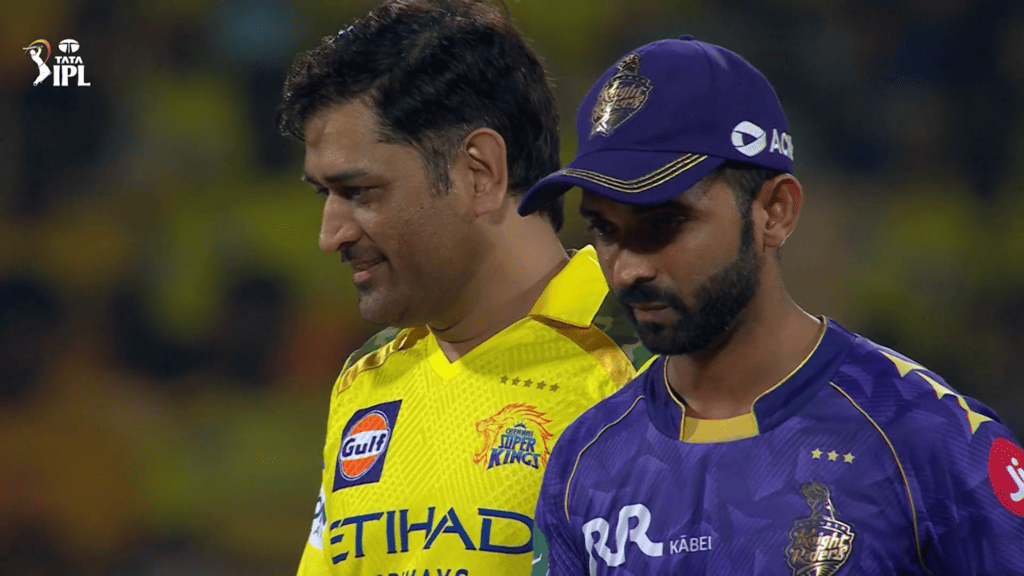
    CSK vs KKR, IPL 2025, MS Dhoni and Rahane

    It was a high-voltage IPL clash last night, April 11, 2025, with Chennai Super Kings (CSK) taking on Kolkata Knight Riders (KKR) at Chepauk. The atmosphere was electric—fans filled the stadium, hoping for a vintage MS Dhoni show, especially since he was leading the team again. But by the end of the night, it wasn’t CSK’s spirit or Dhoni’s leadership that grabbed headlines—it was a dismal batting performance, a controversial dismissal, and a clinical chase by KKR that silenced the yellow army. The defeat by 8 wickets wasn’t just a loss it felt like a jolt to Chennai’s campaign and their confidence.

    CSK’s Batting Collapse: A Nightmare Unfolds

    Things didn’t look promising right from the beginning. Rachin Ravindra went early, scoring just 4 off 9 balls, and Devon Conway too couldn’t anchor the innings, managing only 12 off 11. The top order seemed unsettled, and though Rahul Tripathi hung around for a while, his 16 from 22 balls didn’t really shift gears. Vijay Shankar tried to inject some pace with a 29 off 21, while Shivam Dube remained unbeaten on 31 from 29 balls. Still, the scoreboard barely moved, and the runs came slow.

    The turning point, though, came in the 16th over when Dhoni, who had just walked in, faced Sunil Narine. The delivery turned sharply and struck him on the pads. The on-field umpire, Chris Gaffaney, raised his finger, and the CSK captain opted for DRS. Now, this is where the drama unfolded. The third umpire, Vinod Seshan, took his time—maybe a bit too much. UltraEdge showed a faint spike, which many believed was a clear indication of bat involved. But the ball-tracking showed three reds, and the decision stood. Dhoni had to walk for just 1 run from 4 balls, and with that, a large part of the crowd’s energy seemed to vanish.

    Coach Stephen Fleming was visibly upset and even seen talking to the umpire during the timeout. Fans online and in the stadium questioned the DRS decision. Was there enough evidence to overturn? Did the system fail in a crucial moment?

    From there, it was all downhill. Ravindra Jadeja fell for a duck, Deepak Hooda didn’t trouble the scorers either, and young Anshul Kamboj stayed not out at 3. CSK wrapped up their innings at just 103/9 in their 20 overs—an underwhelming total on any pitch.

    KKR’s Chase: Dominance in Every Stroke

    Chasing 104 was never going to be a mountain for KKR, and they started aggressively. Quinton de Kock gave them the early push with 23 runs off 16 balls, including three towering sixes. Anshul Kamboj managed to dismiss him, but that was the only bit of good news for CSK.

    Sunil Narine, usually known for his bowling, turned into a one-man demolition squad with the bat. His 44 off just 18 balls—packed with five huge sixes—broke CSK’s spirit. Even though Noor Ahmad managed to send him back, by then, the damage was already done.

    Ajinkya Rahane and Rinku Singh then calmly finished the chase. Rahane scored a composed 20 off 17, and Rinku added 15 off 12, taking KKR to 107/2 in just 10.1 overs. It was not just a win—it was a statement.

    Dhoni’s Dismissal Sparks Heated Debate

    The moment Dhoni walked back after that controversial lbw, debates broke out both online and on television panels. Was there an edge? Did the third umpire make a mistake? Fans pointed at the UltraEdge spike and questioned why the benefit of doubt wasn’t given to the batter. Some even said it changed the entire tone of the match—had Dhoni stayed, even a 130+ score might’ve given CSK a better fighting chance.

    Stephen Fleming’s frustration wasn’t just about one decision—it was the reflection of an under-pressure team that knows they can’t afford to lose momentum this early in the season.

    Bowling Analysis and Tactical Misfires

    KKR’s bowlers deserve credit. Varun Chakaravarthy spun a web around CSK, picking up 3 wickets, and Vaibhav Arora supported well with 2 wickets of his own. The CSK batsmen couldn’t read Chakaravarthy’s variations, especially under pressure.

    The pitch did offer some turn, and that should’ve suited CSK too, given they had Jadeja and Noor Ahmad. But their failure to apply pressure through the middle overs let the game slip away. Jadeja’s duck was a blow, and he didn’t make much of an impact with the ball either.

    A Rivalry Gets Intense

    This loss adds another spicy layer to the ongoing CSK-KKR rivalry. KKR looked more balanced and in sync with the conditions, while CSK struggled with both bat and ball. Ruturaj Gaikwad’s absence due to injury was a major setback for CSK. Known for providing stability at the top, his calm presence and ability to anchor the innings were clearly missed. Without him, the top order looked unsettled, and CSK struggled to build any momentum right from the start.

    With Dhoni back as captain, expectations were sky-high. But the pressure now is equally high. The team has to quickly regroup, rethink their strategy, and sort out the middle-order issues. One more loss like this, and the season could spiral fast.

    Final Takeaways

    • CSK’s batting collapse: A clear top-order problem and over-dependence on the middle.
    • KKR’s strong chase: Sunil Narine stole the show with both bat and ball.
    • Controversial DRS call: The Dhoni lbw dismissal will continue to be debated for days.
    • Tactical misses: Not playing Gaikwad and failing to utilise spin effectively cost CSK.
    • What’s next? CSK needs to come back stronger and quickly resolve their playing XI doubts.

    Conclusion: Not Just a Loss, But a Lesson

    CSK’s 8-wicket loss to KKR wasn’t just another bad day—it exposed weak links in their setup and left fans with more questions than answers. From the batting collapse to the controversial umpiring, everything seemed to go wrong. On the other hand, KKR played like a well-oiled unit, showing why they’re always a team to watch in crunch games.

    Now, all eyes are on CSK’s next game. Will they bounce back with changes, or will this defeat snowball into a bigger problem? One thing’s clear—IPL 2025 just got more interesting.

    Interested in this? You’ll also want to read: Arya’s Big Hundred Wins for PBKS Against CSK in IPL 2025!
    You can also check full score card at Cricbuzz.com

  • India’s ₹18,658 Cr Railway Plan: Boost for Growth?

    India’s ₹18,658 Cr Railway Plan: Boost for Growth?

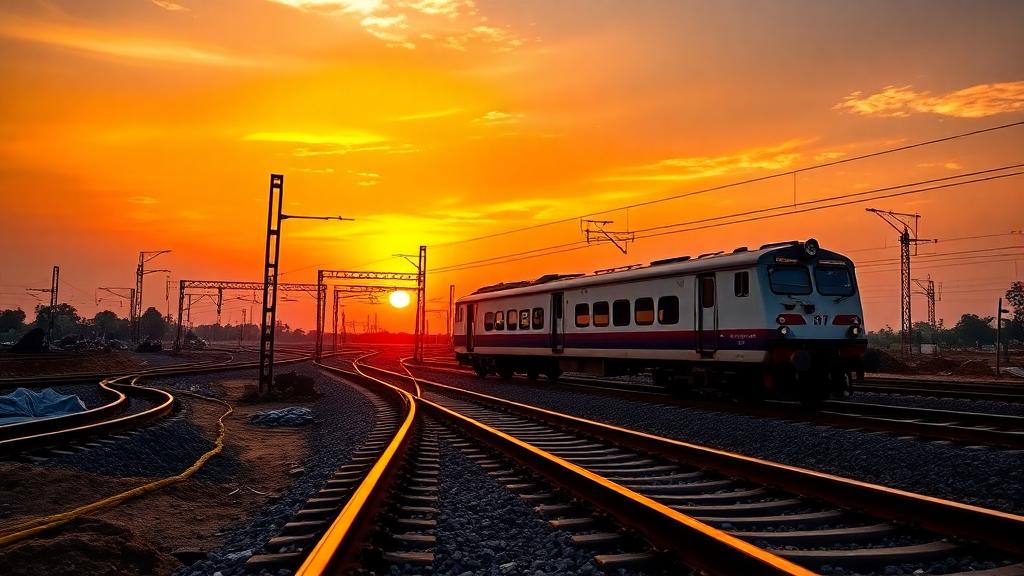
    A vibrant sunrise over a new railway construction site in Chhattisgarh, with workers laying tracks, a modern train in the background, and a hopeful village skyline, symbolizing progress and challenge.

    This blog is about the recent ₹18,658 crore approval by the Indian government for expanding railway projects across three major states – Maharashtra, Odisha, and Chhattisgarh. The goal? More jobs, better freight movement, faster travel, and a push towards a greener, stronger economy. But while the announcement is big, many people are asking – will it actually work? Or is it just another flashy promise that might get delayed or quietly fade out?

    Change on the Tracks: What’s Happening on Ground?

    So here’s the scene. On April 6, 2025, the Indian Cabinet gave the green signal for four massive railway projects. These will cover over 1,247 kilometers and touch 15 districts. We’re talking lines like Sambalpur–Jarapada’s third and fourth tracks, and the Gondia–Balharshah doubling. And just this morning, the Railways Ministry said that work has already kicked off for the 5th and 6th lines between Kharsia and Naya Raipur. That’s in Chhattisgarh’s Baloda Bazar area.

    Now that’s fast. Bulldozers have rolled in, and workers are on site. The vibe on ground? People are hopeful. There’s excitement in small towns nearby. Some say this might finally bring real development. The government says this project will carry almost 89 million tonnes of goods each year — mostly coal, cement, and iron ore. Plus, about 4.7 million people from over 3,000 villages will get better connectivity. And 38 million human-days of jobs? That’s big talk.

    Also, they say this shift to rail will save 95 crore litres of diesel. That’s like planting 19 crore trees. A bold number, but sounds nice on paper, right?

    Not All Smooth: Execution Is the Real Test

    Here’s the thing — planning is one part, doing it is another. People on social media, especially on X (earlier Twitter), are already talking about possible delays. In Odisha’s Sambalpur region, some land disputes are slowing things down. And anyone who’s followed Indian rail projects knows — land problems, paperwork, and contractor delays can stretch timelines easily.

    Yes, this entire thing is part of PM Gati Shakti — that mega plan to boost transport infra. It includes building 19 new stations, including some in underdeveloped districts like Gadchiroli. Good move, no doubt. But still, real work needs time, and lots of coordination. One small snag, and the project can stall for months.

    People Are Split: Progress or Another Empty Promise?

    If you go online, there’s a tug-of-war. Some folks are excited. They say ₹18,658 crore will boost India’s ₹4.2 trillion economy, bring down transport costs, and even help tourism in small towns. One viral clip showed a farmer from Chhattisgarh smiling ear to ear, saying this rail line might bring a new mandi closer to him.

    On the other hand, some folks aren’t so sure. Someone commented, “What happened to VVP-II’s ₹6,839 crore fund? Still stuck somewhere.” Others are pointing at past delays — like how the Sela Tunnel dragged on for years.

    Now, the Railways say they’re using the EPC model to finish faster. Basically, one contractor handles design to delivery. Sounds efficient. But still, people are worried. Red tape, budget crunches, even bad weather can slow things down. We’ve seen it before.

    A Bigger Picture: Not Just Local, the World Is Watching

    This isn’t just about connecting a few towns or shifting cement faster. There’s a global angle too. With the world slowly trying to reduce its dependence on China, India has a chance to step up. And good rail infrastructure is one way to do that. Cheaper freight movement means cheaper exports. That helps us stay competitive.

    Also, there’s an environment angle. The government says this move could save 477 crore kg of CO2 emissions. That fits into India’s net-zero goals. So yes, international folks are watching. If India pulls this off, it could really shine. If not, it’ll just be one more missed opportunity.

    What Could Happen If This Works

    Let’s be positive for a moment. If this rail push works like it’s supposed to, it could mean real change. A young engineer from a remote district like Gadchiroli might finally get a decent job close to home. Farmers could send goods to market faster. Small factories might get better access to raw materials. And travel? Maybe faster, smoother, and safer.

    And globally, it could mean fewer oil imports and better export links. For once, India’s name might be taken as an infrastructure success story, not a country stuck in delays.

    But Let’s Not Jump the Gun Yet

    Honestly, the ₹18,658 crore is a solid number. And the plans do sound promising. But the execution part is still a big question mark. Right now, with a national railway budget of ₹2.62 lakh crore for FY26, even a small slip-up could stretch things thin.

    The past hasn’t been very kind either. Think of Delhi-Mumbai railway upgrades — still not finished. Or the Sela Tunnel, which we already talked about. These things remind us that big dreams need solid ground reality.

    So What’s the Real Take?

    This whole thing the railway expansion has the potential to be a real game-changer. But only if it’s done right. That means quick land work, fewer delays, no shady deals, and regular updates to the public.

    Because let’s be real ₹18,658 crore isn’t just a number on a press release. It’s about people. It’s about connecting dreams and opening doors. It’s about a father in Odisha hoping his kids can travel to college more easily. Or a trader in Maharashtra wanting to cut transport costs.

    That’s what matters.
    Before you go, here’s another good one: ₹6,839 Cr indian Border Plan: Security or Development?
    Want more on this topic? Check this out: Cabinet approves additional railway lines for Chhattisgarh, Maharashtra, Odisha

  • ₹6,839 Cr indian Border Plan: Security or Development?

    ₹6,839 Cr indian Border Plan: Security or Development?

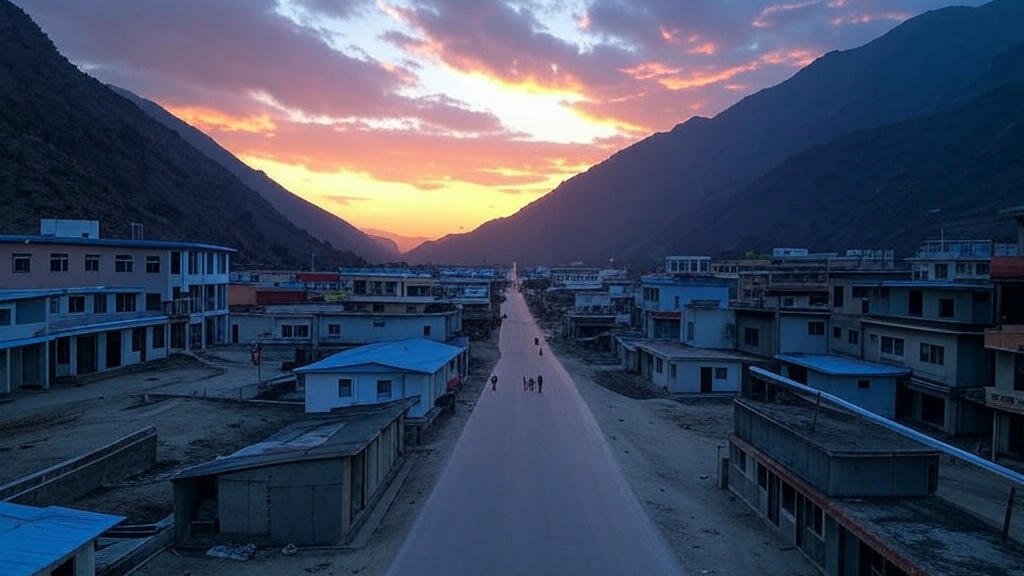
    A vibrant sunset scene over an Indian border village with new roads and SMART classrooms, flanked by rugged mountains and a faint Chinese border post, symbolizing hope and tension.

    Imagine a quiet village tucked between jagged mountain ranges, where the silence carries both tension and hope. Now picture that same place buzzing with new roads, smart classrooms, and tourists. On April 6, 2025, the Indian cabinet announced something massive—₹6,839 crore for the second phase of the Vibrant Villages Programme (VVP-II). Since then, the chatter hasn’t stopped. Some call it a bold move to tighten our borders against China, while others say it’s just another dream that may get buried under red tape.

    Let’s unpack what’s going on.

    The Big Push But What’s the Real Goal?

    Last Sunday, the cabinet, headed by Prime Minister Narendra Modi, gave the nod to pour ₹6,839 crore into villages along India’s international borders. This covers 17 states and union territories—from the valleys of Jammu & Kashmir to the edges of Arunachal and Rajasthan.

    The plan runs till 2028-29, and on paper, it sounds impressive: build all-weather roads, set up SMART classrooms, create tourism circuits, and launch livelihood schemes like cooperatives. It’s an upgrade to the original Vibrant Villages Programme that kicked off in 2023—but this time, with more money, more urgency, and maybe, more politics.

    The government says the goal is to integrate these distant communities into the national fabric—so they don’t just survive on the fringe but become the “eyes and ears” for the forces guarding our borders.

    But here’s the twist—opinions are split. Some are calling it a geopolitical masterstroke. Others are asking the obvious: will this money really reach the ground, or is it just another scheme that’ll get lost in the system?

    Security or Human Touch? That’s the Core Fight

    The heart of this debate is simple: is this about guarding the border, or is it about building lives?

    Security thinkers are all in. After the Galwan clash in 2020, India has been on high alert. Stronger roads help move troops faster. Better internet and mobile networks mean people living there can stay connected—unlike before when they were left in isolation, which China has used to its advantage. Making border villagers active participants in security sounds like a smart, people-powered shield. And given how much China has invested in its “Xiaokang” border villages, this is clearly India’s reply.

    But flip the view, and development-focused voices are asking tougher questions. This isn’t just about bunkers and boots on the ground. It’s about children walking miles for school, villages that still wait for drinking water, and entire communities that migrate for survival. If done right, this ₹6,839 crore could finally change that—giving them stable jobs, tourism income, and the dignity of staying where they belong.

    Yet, memories of past schemes linger. Vibrant Villages Phase I had ₹4,800 crore behind it, but many of those villages are still waiting for the promises to materialise. That’s where the doubt creeps in.

    It’s Not Just About Borders It’s About Belonging

    This debate isn’t just technical it hits right at India’s identity.

    Our borders aren’t just fences or lines on maps. They are living, breathing spaces. Villages in Ladakh, Arunachal, and Sikkim have held their ground despite years of neglect. Many of these places see more yaks than tourists. They’ve lost people to migration and have watched China quietly build railways, schools, and showpiece villages just across the fence.

    This ₹6,839 crore isn’t just an investment—it’s a statement. A way to say: we see you, we need you, and we’re with you.

    Globally too, this changes India’s pitch. While the U.S. gets tangled in tariff wars and China expands its influence brick by brick, India is saying: “We’ll hold our ground, but we’ll also grow our roots.” But it’s a tightrope. Focus too much on infrastructure, and the human side gets lost. Focus only on people, and security might fall behind. Striking the right balance is tricky—but necessary.

    What Can This Really Achieve?

    So here’s the big question: will this plan work?

    If executed well, it could be huge. Imagine 2,000+ villages with proper roads, digital classrooms, cooperative-based businesses, and cultural festivals pulling in tourists. That’s not just pride—it’s real progress.

    The government says it’ll use PM Gati Shakti to coordinate planning and cut red tape. But we’ve seen delays before—remember the Sela Tunnel? Projects on paper often take years longer on the ground.

    And ₹6,839 crore, while big, gets spread out thin once you account for terrain, logistics, and corruption. Execution is everything. The difference between a headline and real change lies in that one word.

    On the Ground, The Talk Is Real

    Online, the arguments are flying.

    Some folks are proud, posting about India finally “catching up” with China. Others are cynical, asking, “Where did the last ₹4,800 crore go?” It’s classic Indian discourse—half hopeful, half weary. And maybe both sides are right.

    My take? This could genuinely shift things—if the money flows past the files and into the villages. Picture a Ladakhi artisan selling woven goods to visiting trekkers, or a girl from Tawang learning science in a smart classroom without needing to migrate to a town 60 km away. That’s the kind of story worth building.

    As of April 10, the Clock Has Started Ticking

    This ₹6,839 crore isn’t just a number—it’s a bet on how we see our own people at the edge. Is it a protective shield against outside threats? Yes. Is it a chance to bring dignity and opportunity to some of India’s most forgotten citizens? Also yes.

    The real test? Between now and 2028-29. That’s when we’ll know whether this was just another press release or a proper turning point.

    Till then, the debate’s onand you should be part of it. What do you think: smart strategy or another empty promise? Pull up a chair, pour some chai, and let’s talk.

    Explore more insights with this related artical. clickhere

    If this topic caught your attention, here’s another one worth checking out: check here

  • Saudi Arabia’ Visa Shift Multiple-Entry Ban for 14 Countries

    Saudi Arabia’ Visa Shift Multiple-Entry Ban for 14 Countries

    Saudi Arabia’s Visa

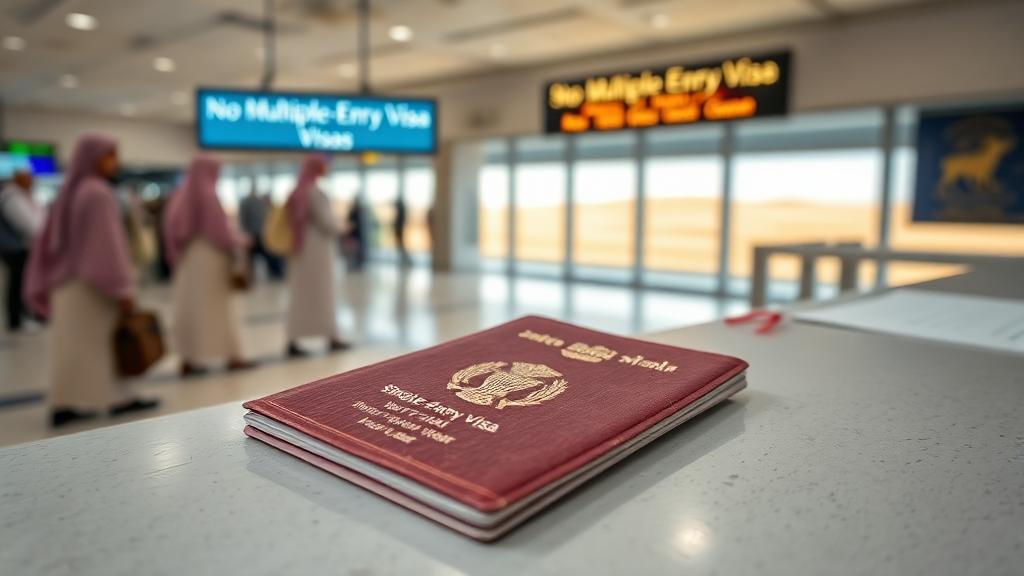
    Imagine that you’re all set for a year of trips to Saudi Arabia. Maybe some business deals, catching up with family, or just chilling in the desert. And then, boom, everything changes. On February 1, 2025, Saudi Arabia dropped big news: no more multiple-entry visas for people from 14 countries, including India. This isn’t some small thingit’s flipped travel plans for so many. So, what’s happening? Who’s in trouble? And how do you deal with it? Let’s break it down with some real talk, a bit of curiosity, and advice that actually works.

    What’s Changed in Saudi Arabia’s Visa Game?

    Saudi Arabia’s put a full stop; nobody knows for how long on those one-year multiple-entry visas. Here’s what’s gone now. Tourism visas? You used to come and go for 12 months, but now it’s one visit, 30 days tops. Business visas are the same story, just one entry, 30 days, no hopping around for meetings anymore. And family visits, like seeing your cousins in Riyadh? You’ll need a single-entry visa every time, good for a month.

    But don’t freak out if you’re going for Hajj or Umrah. Those visas are still okay, same with diplomatic stuff and residency permits. For regular travelers though, or people who fly there often, this is a proper curveball.

    Why Did Saudi Arabia Pull the Plug?

    Picture this scene of lakhs of people at Mecca for Hajj, heat blazing down, and total chaos. In 2024, over 1,200 lost their lives because of overcrowding and crazy temperatures. Saudi folks started noticing something fishy: some people were slipping in with these long-term multiple-entry visas, staying way past their time, and joining Hajj without the right papers. It’s not just about breaking rules; it was turning dangerous.

    So, Saudi Arabia said, “Enough’s enough.” By cutting these visas, they’re trying to keep things under control, make Hajj safer, and watch their borders better. Smart or too strict? Up to you to think about.

    When Did This Kick In?

    Put it in your diaryFebruary 1, 2025. That’s when the multiple-entry dream ended. They haven’t said when it’ll come back, if ever. So, for now, if you’ve got a trip lined up, don’t think you can waltz back in a month later without a fresh visa.

    Who’s Caught in the Crosshairs?

    This hits 14 countries, and it’s a mixed bunch. Here’s the list Algeria, Bangladesh, Egypt, Ethiopia, India, Indonesia, Iraq, Jordan, Morocco, Nigeria, Pakistan, Sudan, Tunisia, Yemen. If you’re from one of these, your travel plans just got shaken up. India’s got so many people going to Saudi Arabia business types, tourists, familiesit’s going to hit us hard.

    What Does This Mean for You?

    Let’s be honest this isn’t just paperwork it’s personal stuff. Maybe you’re an Indian guy sealing deals in Jeddah, or someone from Morocco visiting relatives in Dammam. Here’s the deal now. Plan ahead single-entry visas mean more forms every time, so apply early, don’t wait till the end. Stick to the rules of overstaying or sneaking into Hajj? Bad move. You’re looking at heavy fines, jail, or even a permanent ban from Saudi Arabia.

    And yeah, budget smarter more visa applications mean extra cash spent. My friend in Delhi, Anil, used to zip to Riyadh every few months for work. Now he’s moaning about the hassle, but he says it’s making him think harder about his trips. Less random running around, more focus maybe that’s not so bad.

    How to Stay in the Loop

    Saudi Arabia isn’t shouting this from the rooftops. You’ve got to check their official sites or call the embassy yourself. I learned it the tough way: don’t trust every travel blog you read (funny, right?). My cousin almost got stuck last year, but a quick chat with the consulate saved him.

    The Bigger Picture

    This isn’t just about visas it’s Saudi Arabia showing they’re serious. Hajj isn’t some small event; it’s a giant thing, and safety matters big time. Plus, with their Vision 2030 pushing tourism and all, they’re juggling being open with keeping order. It’s a tricky balance, and this ban’s a bold step.

    Tips for Travelers

    Double-check your visa type before booking anything, don’t mess that up. Watch Hajj dates too even if you’re not going, the crowd controls might mess with you. And talk to peoplecheck forums like X, see what other travelers are saying. This shift might feel rough, but it’s not over. Saudi Arabia’s still there just pack some extra patience with your bags.

  • Diesel vs Petrol vs Electric Cars in India (2025)

    Diesel vs Petrol vs Electric Cars in India (2025)

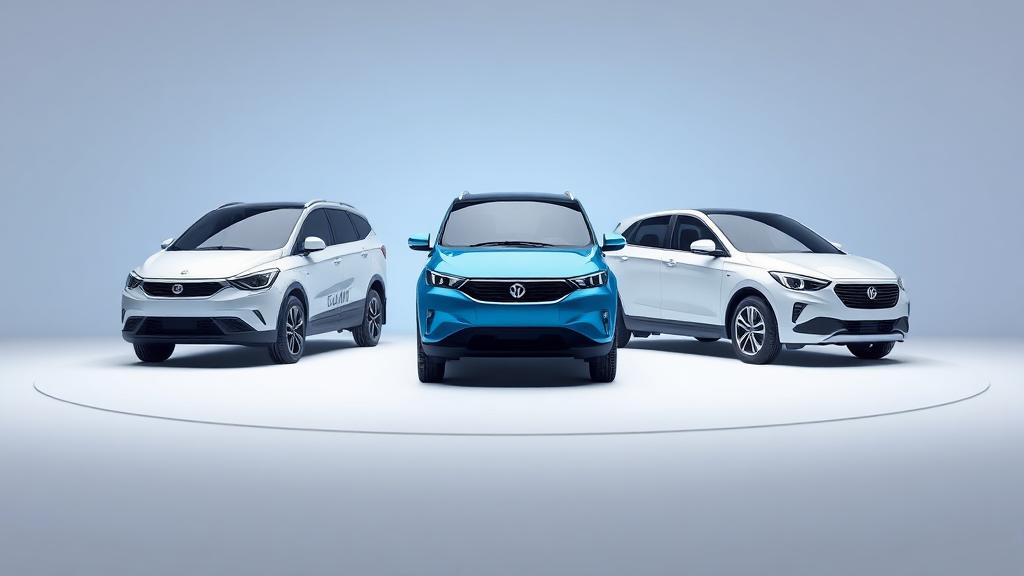
    Indian man comparing three cars – one diesel, one petrol, and one EV – with fuel pumps and a charging station in the background, with a confused expression.


    You know, for the longest time, buying Electric Cars in India has felt like solving a never-ending puzzle. Diesel? Petrol? Or should we just take the electric route and go all-in on the future?

    Now that it’s 2025, the confusion has only grown bigger. Fuel prices shoot up without warning, electric charging stations are popping up everywhere, and diesel cars are slowly being pushed out of big cities. So obviously, the big question is — which type of car actually helps you save money in the long run?

    Let’s not just talk numbers on paper — let’s talk real-life stuff like cost, comfort, maintenance, resale, and even the environment.

    💰 Initial Cost: EVs Still Burn a Slight Hole in Pocket

    Let’s be honest — for most of us, the first thing we check is the on-road price. Especially when every rupee counts, that first cost pinches the most.

    Car TypeExample ModelStarting Price (Ex-Showroom)
    PetrolMaruti Baleno₹6.7 lakh
    DieselKia Sonet Diesel₹9.8 lakh
    ElectricTata Tiago EV₹8.7 lakh

    See, electric cars still cost a bit more upfront. That’s mostly because of the battery — it’s like the “heart” of an EV and quite an expensive one. Earlier, diesel cars used to be costlier than petrol ones, but thanks to strict rules and fewer diesel options now, that gap has narrowed.

    ⛽ Fuel Cost: EVs Leave the Others Far Behind

    This is where electric cars start to make real sense.

    Vehicle TypeFuel Cost/km (Approx.)Annual Running Cost (15,000 km/year)
    Petrol₹7/km₹1,05,000
    Diesel₹6/km₹90,000
    Electric₹1.2/km₹18,000

    Now think about this — if you drive regularly, an EV can save you over ₹4 lakh in five years compared to petrol. Even diesel will cost you ₹3.5 lakh more. That’s not small money. You could easily take a family vacation or even part-pay a new scooter with that saving.

    🔧 Maintenance: EVs are Like “No Tension” Vehicles

    When it comes to regular upkeep, electric cars are just… simpler.

    Petrol and diesel cars need frequent oil changes, filters, and clutch replacements. It’s part of the deal. But EVs? Hardly any moving parts. No engine oil. No clutch. Less chance of something breaking down.

    Vehicle Type5-Year Avg Maintenance Cost
    Petrol₹60,000 – ₹90,000
    Diesel₹70,000 – ₹1,00,000
    Electric₹15,000 – ₹30,000

    So yeah, EVs are up to 70% cheaper to maintain in the long run. Imagine skipping those regular garage visits — sounds peaceful, right?

    🛞 Driving Feel: What’s It Like on the Road?

    Let’s talk about how it feels behind the wheel. Because driving isn’t just numbers — it’s an experience.

    Petrol Cars:
    Smooth, light, and peppy. Great for daily drives in the city. You don’t get that push-pull feel, but it’s refined.

    Diesel Cars:
    Strong on torque — which means better for highways or carrying heavier loads. But a bit noisy, and not so great for short city drives (they don’t like traffic jams).

    Electric Cars:
    One word — instant. Instant torque, instant pickup. Completely silent, no gears. Feels very modern. Especially fun in stop-go traffic.

    So if you enjoy driving and want something new-age, EVs bring a smile to your face.

    ⛽ Charging vs Refuelling: Who Wins?

    Petrol/Diesel:
    No fuss. Pull in, fill up in 5 minutes, and off you go. You’ll find pumps even in small towns.

    EVs:
    At home, charging takes 6–8 hours.
    Fast-chargers? Around 45 mins to 1 hour.
    Not ideal for highway trips yet, especially in remote areas.

    If you’re someone who mostly drives in the city and has a charging point at home, EVs are super convenient. But for folks doing regular long trips, petrol or diesel still has the edge — for now.

    🌱 Environmental Side: EVs Are Way Cleaner

    We all can feel it — the air in cities is getting worse. Pollution levels are scary. That’s where EVs really step up.

    • Diesel: Heavy emissions, especially the harmful NOx gases
    • Petrol: A bit better, but still pollutes
    • Electric: No emissions while driving (though depends on electricity source)

    If you care about the future — yours and your kids’ — EVs clearly help breathe easier.

    🔄 Resale Value: What Happens After 5 Years?

    Petrol Cars:
    Still doing well. Easy to sell, especially in smaller towns or tier-2 cities.

    Diesel Cars:
    Struggling. With bans already in Delhi NCR and more coming, resale is dropping.

    Electric Cars:
    A surprise winner. Battery warranties and more awareness mean second-hand EVs are in demand.

    EV resale may not be at its peak yet, but it’s rising — faster than many expected.

    📊 So, What’s the Final Math?

    Let’s break it down simply. Here’s a 5-year ownership cost for each type:

    TypeInitial CostFuel CostMaintenanceTotal Cost (Approx.)
    Petrol₹7 lakh₹5.25 lakh₹70,000₹12.95 lakh
    Diesel₹9 lakh₹4.5 lakh₹90,000₹14.4 lakh
    Electric₹9 lakh₹90,000₹30,000₹10.2 lakh

    Winner: Electric — lowest cost in the long run
    Diesel — losing favour, especially in cities
    🟡 Petrol — safe choice, but not future-ready

    If you are intrested in electic cars this blogs will surely help you
    Top 5 Budget Electric Cars in India (2025)
    Check EV policies by state (Government Source)

    If you are intrested not electic cars this blogs is for you:
    Latest fuel prices across Indian states
    Compare car loan interest rates in India