Author: Ravi k

  • Milind Soman’s Diet: Simple Food, Real Health

    Milind Soman’s Diet: Simple Food, Real Health

    Milind Soman enjoying a simple homemade Indian meal

    Honestly, when you hear the word ‘diet’, the first thing that comes to mind is salads, protein shakes, or some expensive fancy meal plans. But then you look at someone like Milind Soman, and you realise… maybe it’s not that complicated after all.

    This man, even after crossing 50, looks fitter than most 25-year-olds. And what’s interesting? His food habits are almost too simple to believe. No drama, no superfoods from abroad, just the kind of food we have been eating since childhood.

    He had shared once on his Instagram about what he eats daily, and believe me, it’s as basic as it can get. Let’s just sit and talk about it today.

    First, a little about Milind Soman

    If you were growing up in the 90s, chances are you saw him in that Made in India music video and thought, “This guy is something else.” Over the years, he became not just a model or actor but also a serious fitness inspiration. Runs marathons barefoot, swims across rivers, does Ironman competitions — he’s done it all.

    But the surprising part? His daily routine is more about simple discipline than any crazy fitness obsession. His food is proof of that.

    What does Milind actually eat in a day?

    Morning Kickstart

    First thing he does is drink half a litre of water. No lemon squeezed into it, no chia seeds floating inside just plain, old-school water. It’s something most of us can do without even spending a single rupee extra.

    Breakfast (around 10 AM)

    Instead of heavy parathas or sandwiches, he picks fruits. Seasonal ones mostly papaya, melon, mango if it’s summer time. Along with that, a small handful of almonds or walnuts. That’s it. No fancy smoothie bowls or oats jars you see everywhere on Instagram these days.

    Lunch Time (around 2 PM)

    Lunch is good old Indian homemade food. Mostly khichdi, the humble mixture of rice, dal, and veggies, sometimes chapati, sabzi, and dal with a spoon of ghee on top. Simple, filling, and honestly, comforting too.

    Non-vegetarian food? Rarely. Maybe once in a month a little bit of chicken, mutton, or eggs if he feels like it. But otherwise, pure vegetarian home-style meals.

    Tea Time

    Around 5 PM, if he feels like it, he has black tea with a bit of jaggery. No white sugar. Just a hint of sweetness in the healthiest way possible.

    Dinner

    Dinner is pretty much a lighter version of lunch again, khichdi or roti with vegetables. No heavy curries or deep-fried items.

    Before Sleeping

    At night, he sips a cup of hot water mixed with turmeric and jaggery. A simple old home remedy that helps in digestion and keeping the system clean.

    Why it actually works

    See, the thing is it’s not about eating less or skipping meals. It’s about eating real food. Things that are grown around us, food that our body actually understands.

    No fancy diets with names we can’t even pronounce. No protein powders imported from halfway across the world. Just the kind of food our parents and grandparents always trusted.

    Plus, he listens to his body. Eats when he is hungry. Stops when he feels full. No calorie counting madness.

    Feels like coming back home, doesn’t it?

    Honestly, when you look at Milind’s meals, it feels familiar. Like home. Khichdi after a tiring day, hot water before bed, fruits in the morning — these are the small habits we grew up with but somehow left behind in the rush of modern life.

    Maybe we thought we needed complicated solutions. But maybe, we just needed to trust the basics a little more.

    What we can learn from Milind

    Eat local and seasonal.

    Keep your meals simple.

    Hydrate well.

    Move your body every day.

    And most importantly, don’t overthink food.

    Final Thoughts

    You know, it’s easy to get trapped in the world of crash diets and ‘5-minute abs’ promises. But the truth is, health is very simple.

    If Milind Soman, one of the fittest people around, is thriving on khichdi, fruits, and water, then maybe we don’t need anything fancier either.

    Maybe next time when you’re planning a meal, instead of scrolling through complicated diet plans online, you can just pick up that simple plate of dal-chawal your mother cooked.Because sometimes, old ways are the best ways.

    Liked this post? Then you’ll probably love this as well: Healthline – 7 Indian Foods That Boost Immunity

    Interested in this? You’ll also want to read: 7 Simple Morning Habits That Actually Help Your Mental Health


  • India’s Steel Tariff: Smart Protection or Risky Trade Gamble?

    India’s Steel Tariff: Smart Protection or Risky Trade Gamble?

    You know how you catch up over chai at the local stall? That’s how I felt when news broke: “Government imposes 12% safeguard duty on steel imports.” My cousin, who runs a tiny fabrication shop in Coimbatore, nearly dropped his cutting torch. “Is this good or bad?” he asked. Well, let’s break it down like we’re both sipping ginger chai on a rainy evening.

    Why Steel Is Our Backbone

    Steel isn’t just metal—it’s ambition forged in fire. From the high‑rise in Mumbai to the metro rails in Delhi, every beam and bolt carries our country’s dreams. And millions of jobs hang on it. We’re No. 2 in the world for crude steel, right behind China. Names like Tata Steel, JSW Steel, and SAIL aren’t just companies—they’re household heroes.

    My neighbour’s brother works at SAIL in Rourkela; he says “we churn out enough to build hundreds of bridges.” But when cheap steel from elsewhere floods in, that pride feels threatened.

    The Flood of Cheap Imports

    Here’s the rub. China—and friends like South Korea and Japan—have been pouring in rock‑bottom steel. In the financial year 2024–25, we imported 9.5 million tonnes of finished steel—our highest in nine years. 78% of that came from those three countries. Imagine selling handmade laddoos at a village mela when someone next door gives them away free. That’s what our mills face.

    My friend in Pune, who builds farm equipment, tells me his margins vanished overnight. He’s not alone—some small steel plants even paused production or eyed layoffs.

    So, What’s This 12% Tariff All About?

    This isn’t a permanent tax stamp. It’s called a safeguard duty, and it’s meant to be temporary—just 200 days starting April 21, 2025. Think of it as a protective shield: it makes imported Non‑Alloy and Alloy Steel Flat Products (sheets, coils, plates) about 12% pricier at the border. That nudge can convince builders and carmakers to pick “Made in India” instead.

    Who Feels the Heat & How Long?

    AspectDetails
    Duty Rate12% safeguard duty
    Products CoveredNon‑Alloy & Alloy Steel Flat Products
    Duration200 days (from April 21, 2025)
    Main SourcesChina, South Korea, Japan
    Import Volume9.5 million tonnes (2024–25)

    The DGTR (Directorate General of Trade Remedies) dug into the numbers from December 2024, then the Finance Ministry signed off.

    Industry Cheers vs. Buyer Worries

    Steel Mills: They’re clinking glasses (figuratively). JSW, SAIL, even ArcelorMittal Nippon Steel India say this duty is a lifeline. On BSE, SAIL shares jumped nearly 4%, Tata Steel up 2%—that tells you something.

    Downstream Users: Builders in Mumbai, auto‑part makers in Pune, and countless MSMEs are biting their nails. Higher steel prices mean bigger project bills and pricier cars. My cousin in Coimbatore is already recalculating his quotes—he fears clients will balk at the extra rupees.

    Some small‑scale groups are asking for import quotas instead, so price hikes stay limited.

    Beyond Economics: India‑China Relations

    This isn’t just a tax move; it’s a diplomatic chess move too. Ever since the 2020 border clashes, India’s been cautious around Chinese goods and investments. This tariff fits our self‑reliance push—“Make in India”—but it could rile Beijing. They might slap counter‑tariffs on Indian pharma or textile exports.

    Still, External Affairs Minister S. Jaishankar points out we’re not shutting our doors—just choosing which guests to invite.

    Worldwide Ripples

    We’re not alone in this. Remember how the US slapped a 25% tariff on steel under Trump in March 2025? Excess steel meant for America then flooded markets like ours. Meanwhile, the EU, Turkey, South Africa—they’ve all put up barriers to guard their mills. India’s 12% duty is partly a response to this global overflow—nobody wants to be the world’s dumping ground.

    My Two Paise: Balancing Act Ahead

    Honestly, this 12% duty feels like a necessary sting. Our steel sector needs a breather after years of undercutting. But let’s not forget the ripple effects—higher building costs, pricier cars, tighter budgets for small firms.

    Here’s a thought: the government could roll out temporary relief—like tax breaks or modest subsidies—for critical sectors such as housing and automobile. At the same time, this is a wake‑up call for steel makers: invest in greener tech, streamline costs, and aim for exports too.

    In the long run, we should diversify where we buy steel from and ramp up local capacity. Only then can India transform from a tariff‑reliant market into a true powerhouse.

    If you’re into this topic, you’ll definitely want to check this out too: India imposes temporary tariff on some steel to stem cheap imports from China

    If this resonated with you, here’s something similar you might like: Waqf Act Controversy: What’s Happening in Murshidabad?

  • Top Investment Mistakes to Avoid Every Year

    Top Investment Mistakes to Avoid Every Year

    A middle-class Indian man in his 30s sitting with a calculator and confused expression, papers scattered, in a small town home setup – daylight, casual clothes.

    You know that feeling when you finally decide, “This year I’ll start saving seriously”? Yeah, we all do that. I’ve been there too end of financial year panic, sudden interest in ELSS, watching YouTube videos with titles like “Best Mutual Funds Investment in India 2025” and then… doing something totally random.

    But here’s the thing we Indians often don’t fail at investing because of lack of options… we mess up because of basic, silly mistakes. Some we repeat every single year. So let’s chat about those blunders — not like a finance guru, but like two friends sitting on the terrace sipping chai.

    1. Rushing to Invest Only in March

    I swear, this is a national habit. Every March, my WhatsApp floods with friends saying, “Bro, any 80C saving tips?” It’s like the entire country wakes up to taxes in the last week.

    But what happens in panic? You blindly throw money into random LIC plans, 5-year FDs, or worse — invest in something your uncle said was “safe” without checking anything.

    👉 Start small, but start early. Even ₹500 a month from April is better than ₹50,000 dumped in March.

    2. Following “Tips” Without Understanding

    Once my cousin invested ₹1.5 lakhs in some random stock just because someone in his office said “It’ll double in 6 months.” Spoiler alert: It halved.

    Following random advice is like taking medicine because a neighbour said it worked for them. Investing isn’t one-size-fits-all.

    Always ask: Is this right for my goals, my risk level, and my timeline?

    3. Ignoring Inflation Like It’s Not Real

    My dad still talks about how petrol was ₹22 once. But if you’re saving money and your returns are 5% while inflation is 7%, you’re actually losing value.

    It’s not about “saving” anymore — it’s about growing. That’s why just putting money in savings accounts or low-interest FDs doesn’t work anymore.

    Try to include some exposure to equity, gold, or even REITs if you can. At least explore them before saying no.

    4. Not Having a Clear Goal

    “I want to be rich” isn’t a goal. That’s just a hope. You need specifics: Buying a house in 5 years, Child’s education in 10, or Europe trip in 2.

    When you don’t know what you’re investing for, you’ll never know how much is enough.

    Break it down, write it on paper if you have to. It sounds silly, but it works.

    5. Mixing Insurance with Investment

    ULIPs, endowment plans… all these are sold with the same sweet line — “Sir, dual benefit: investment + life cover!”

    But here’s the truth: Insurance is for protection. Investment is for returns. Mixing them gives you weak benefits on both ends.

    You’ll end up paying high premiums and getting low returns. Better to get a cheap term plan and invest the rest separately.

    6. Not Reviewing Your Portfolio

    This one’s personal. I invested in a small-cap fund in 2021. Didn’t check it till 2024. When I opened the app — it was down 30%.

    Markets change. Life changes. But we forget to adjust. You don’t need to obsess daily, but at least review your portfolio once every 6 months.

    If you’ve outgrown a fund, or your goals have shifted, it’s okay to make changes.

    7. FOMO Investing

    One of my friends put money into crypto at the peak in 2021 just because everyone was doing it. Two years later, he’s still waiting to recover half of it.

    Chasing trends is dangerous. Every year there’ll be a new buzz: EV stocks, AI startups, international ETFs…

    If you don’t understand it, don’t invest in it.

    Quick Recap: Common Mistakes to Avoid

    • Waiting till March to invest
    • Taking random advice without research
    • Underestimating inflation
    • Investing without clear goals
    • Mixing insurance and investments
    • Not reviewing portfolio regularly
    • Falling for trends and hype

    My Takeaway?

    See, you don’t need to be a finance wizard to avoid mistakes. You just need to be aware. Most of us aren’t lacking knowledge we just need to pause before reacting.

    Start small. Keep it real. And if in doubt, talk to someone you trust not your neighbour’s son who just opened a Zerodha account.

    Trust me, investing gets easier when you stop chasing perfection and focus on progress. Even a slow start today can make your future self say “Good job, yaar.”

    Related atricles
    10 Common Investing Mistakes to Avoid

  • India’s Nuclear Energy Reform: Attracting Global Investment

    India’s Nuclear Energy Reform: Attracting Global Investment

    An illustration of a modern nuclear power plant in India

    A Familiar Scene: Power Cuts and Pollution

    If you’ve ever lived in a small town or even in the outskirts of a city, you probably know what it feels like to sit in the dark during power cuts. Fans stop, fridges get warm, and life slows down. On the other hand, big cities are constantly choking on smoke from coal plants and fuel-based industries. So, what’s the middle path? India is now eyeing nuclear energy as one of the ways to clean things up without sacrificing power needs.

    Now, the government is working on something big—changing the rules around nuclear energy to make it easier for foreign companies to come and invest. These updates to the 2010 law may not sound exciting at first, but they could play a huge role in powering India’s future in a cleaner, more stable way.

    What Went Wrong with the Old Law?

    Back in 2010, after the Bhopal gas disaster memories were still fresh, India made a strict law that said if there’s a nuclear accident, even the equipment supplier will be held liable. It made sense at the time—nobody wanted another disaster. But the law also scared away big global players like General Electric and Westinghouse. Why would they risk it when other countries had more balanced rules?

    That’s where India got stuck. We wanted nuclear energy but made the rules so strict that no one wanted to help us build it.

    So, What’s Changing Now?

    The new idea is simple: make the suppliers less scared. If something goes wrong, their liability would now be capped. Also, they’ll only be responsible for a limited time, and only up to the value of their contract. This is more in line with how things work in countries like France or the US, where plant operators—not the suppliers—are mainly responsible for safety.

    By doing this, India hopes to invite foreign companies back, bring in fresh investments, and build more nuclear plants without too many legal hurdles.

    The Big Target: 100 GW by 2047

    Right now, India’s nuclear power capacity is somewhere around 8 GW. But the goal is 100 GW by 2047. That’s a huge jump, no doubt. To make that happen, experts say we’ll need close to ₹15 lakh crore in funding. That’s a mountain of money.

    Good news is, big names like Reliance, Adani Power, Tata Power, and Vedanta are already talking about putting in $5 billion each. If all goes well, we might just hit the target—but only if the red tape is reduced and partnerships are encouraged.

    Global Bonds: It’s Not Just About Power

    This reform isn’t just about watts and megawatts. It’s also about diplomacy. If India becomes easier to work with, countries like the US will be more willing to team up. This means not just reactors, but also technology sharing, training, and maybe even cleaner exports.

    India’s goal of taking trade with the US from $191 billion to $500 billion by 2030? This reform could help move that needle in the right direction.

    Hold On, What About Safety?

    Let’s not get carried away. Cutting supplier liability doesn’t mean we should take safety lightly. Nuclear energy is clean, yes, but it’s also risky if mismanaged. We’ve seen what happened in Fukushima and Chernobyl. Even if those were decades ago, they serve as lessons.

    So, while making things easier for investors, India also needs to keep strict checks in place. There has to be transparency, regular inspections, and accountability. Otherwise, public trust will vanish in a flash.

    What I Think: Not Perfect, But Needed

    Honestly, I think this move is more of a necessity than a bold experiment. India needs cleaner energy, and coal won’t take us there. Solar and wind are growing fast, but they have limits too. Nuclear energy, when done right, can fill the gap.

    But we have to balance growth with safety. We can’t afford shortcuts. If these reforms are implemented carefully—with solid safety nets—then I believe we’re heading in the right direction.

    If you like this blog you may interest in clean energy, Check out our blog The Future of Solar Energy: Solar Futures and Predictions 2025

  • How to Actually Save Money on Daily Expenses in 2025

    How to Actually Save Money on Daily Expenses in 2025

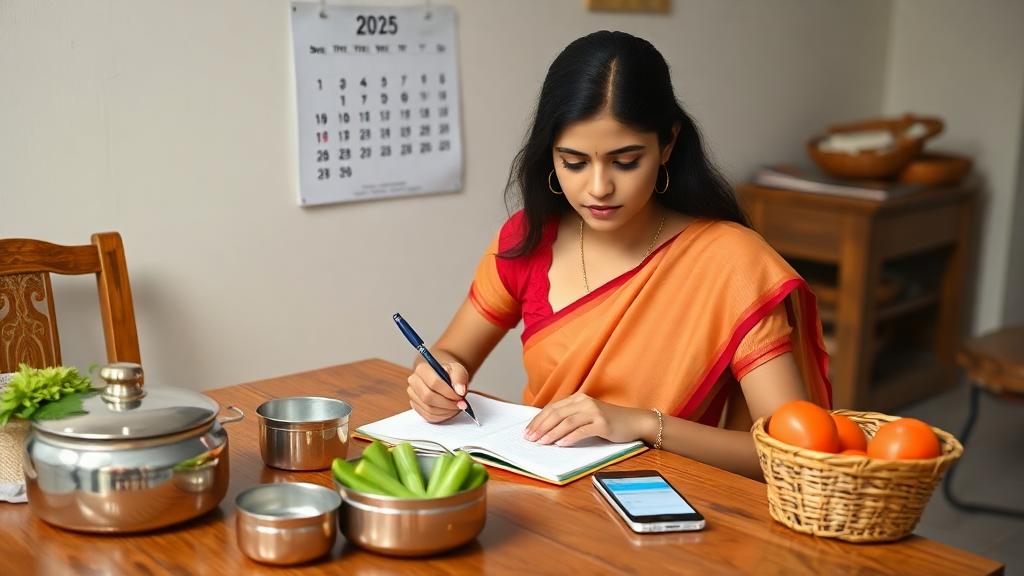
    A realistic scene showing an Indian middle-class young woman sitting at a small wooden dining table, carefully noting down daily expenses in a notebook with a pen, surrounded by simple household items like a steel tiffin, vegetables in a basket, and a smartphone with budgeting app open. She looks thoughtful but hopeful. The setting is a modest Indian home in natural lighting, showing everyday life and a focus on frugality. Background includes a wall calendar showing 2025.

    Real-life ideas from someone who’s been there

    Let’s talk straight—2025 has been rough on the pocket. Whether it’s the monthly ration or just the electricity bill, somehow everything feels more expensive than last year. I still remember back in the 2000s, my father would run the whole house in ₹10,000. These days, even if you earn three times that, the money just slips away—one Swiggy order here, one phone recharge there.

    But honestly, that doesn’t mean saving money is impossible. You don’t need to live on dal-rice 7 days a week or become some budgeting guru. Just a few smart habits — the kind our parents used naturally — mixed with today’s tools, and you’re good to go.

    Why Saving money Feels Tougher in 2025

    You must’ve noticed petrol has touched around ₹110 a litre. Cooking oil, atta, and even regular biscuits have become luxury items. Add to that Zomato cravings on weekends or those “deal of the day” temptations on shopping apps, and bam salary gone before the 20th.

    I read somewhere that city households now spend about 25–30% more than they did back in 2020 and that doesn’t even include big stuff like rent or EMIs. So yeah, now’s a good time to pause and think about how we can cut some corners without feeling deprived.

    Simple Ways I Personally Save money (that actually work)

    These are not “expert tips” just what’s worked for me and a few friends. Some are old-school, others are just common sense with a 2025 upgrade.

    1. Weekly Meal Planning Just Like Amma Did

    My wife and I started doing this during the lockdown and never stopped. Every Sunday night, we just sit with chai and jot down what we’ll cook the coming week. Doesn’t take more than 15 minutes.

    Trust me, it helps avoid wastage and random food delivery apps during those “nothing’s in the fridge” moments.

    • Only buy what’s on the plan
    • Leave 1–2 buffer days for eating out or leftovers
    • Always peek into the fridge before shopping

    2. Bulk Buying Saves More Than You Think

    If you’ve got the space (or even a cousin to split stuff with), buy things like rice, dal, soap, and oil in bulk. I grabbed a 5kg detergent bag last month for ₹400 — the same thing costs ₹700 in regular shops.

    Pro-tip: Airtight dabbas save your grains from insects and moisture.

    3. Understand Your Electricity Meter It’s Smarter Now

    Gone are the days of guessing. These days, smart meters show when power costs more and when it’s cheaper.

    • Wash clothes in the morning or late night
    • Switch off geyser and modem when not needed
    • Iron everything once a week, not daily

    I tried this and my bill dropped by ₹400 in just one month.

    4. Stick to Kirana Shops Instead of Fancy Stores

    You may not get jazzy packaging, but my neighbourhood kirana guy sells the same dal and oil 10–15% cheaper. I compared. Plus, he gives home delivery and sometimes credit if it’s month-end.

    Also, shopping local supports small businesses. Win-win, right?

    5. Don’t Subscribe to All OTT Platforms

    Honestly, how many platforms do we even watch properly? Rotate them. Take Netflix for two months, then switch to Prime or Hotstar. Why pay for everything together?

    And don’t forget: good old YouTube has plenty of free content too.

    6. Cut Back on Small UPI Payments

    Digital payments are fast, but they make us careless. ₹30 for tea here, ₹80 for samosa there it adds up quietly. Carry some cash for tiny spends. It makes you pause before spending.

    Make Saving a Part of Daily Life, Not Some Punishment

    You don’t need to turn into a miser. Just following 3–4 of these regularly will show results. Personally, I’ve saved ₹500–₹1,000 a month on electricity and groceries alone, without cutting comfort. The trick is not in sacrifices it’s in habits.

    My Final Thoughts

    Honestly, saving in 2025 is more about awareness than suffering. If you mix old-school tricks with today’s tools, it becomes much easier. Our parents didn’t have apps, cashback, or smart meters yet they managed just fine.

    So next time you feel tempted to order that ₹450 pasta, ask yourself “Can I make something better at home for ₹80?” Often, the answer is yes.

    Your future self (and your bank account) will be happy you did.

    Curious to dive deeper? Don’t miss this related post: How to Save Money Effectively in 2025: Smart Strategies for Financial Growth

  • Managing Stress in Everyday Life – Like We Actually Live It

    Managing Stress in Everyday Life – Like We Actually Live It

    An Indian woman sitting peacefully on a terrace with plants, sipping chai in the evening sunlight, looking relaxed.

    Relief is possible — even if stress keeps showing up

    Let’s be real — stress is not some new-age thing that only people in suits or startups feel. Our parents, even their parents, have lived with it in different ways. Maybe not about office calls or social media, but they had their own tension — like harvest going wrong, kids falling sick, or dealing with guests for a full week without notice.

    I’ve seen it myself. During school exam time, I used to get proper stomach cramps — not because I didn’t study, but just out of nervousness. These days, I get that same feeling if I’m stuck in traffic in the middle of Bengaluru, battery at 1%, and no network to call anyone. Sound familiar?

    But over time, I’ve realised one thing — stress won’t disappear completely. It comes in new ways each year, like a regular bill. So better to learn how to manage it calmly, rather than wait for it to vanish.

    Why stress keeps visiting even without an invite

    Sometimes I feel stress is like that distant uncle who shows up at odd times. No warning, no reason — just appears. Be it summer’s heat messing with your sleep or Diwali work piling up suddenly, it finds a way.

    Few reasons it sticks around, in my view:

    • One deadline ends, another begins — work just multiplies
    • Money issues — some months are tight, no matter how hard you plan
    • Health stuff — even a small fever throws off your balance
    • Family matters — emotions, expectations, you name it
    • No alone-time — we’re always “on”, even at home

    Honestly, there’s no fixed season for stress. It doesn’t care if it’s summer or winter. That’s why we need year-round ways to deal with it — not just in January when resolutions are fresh.

    Stress relief that actually fits in real life

    You don’t need big budgets or fancy planners. Small habits work if you do them regularly. I’ve tried these myself, and they do help — in their own quiet way.

    1. Breathing like you’re pausing the world

    You don’t need yoga pants or a quiet beach. Just take a few slow breaths wherever you are.

    Try this: Breathe in for 4… hold for 4… breathe out slow for 6-7 seconds.
    Do this while waiting for your chai to boil or even while brushing your teeth.

    Somehow it resets your mood. Like you press a small ‘refresh’ button inside.

    2. Go for a walk — not for steps, just peace

    Evening walks — not the gym ones, but just casual strolls — really work. A short walk around your block, under the trees, watching kids play, even dogs barking… it changes your state of mind.

    Keep the phone aside. Just see the world around — leaves, sky, maybe aunty drying clothes on the line. It’s simple, but calming.

    3. Chai breaks that aren’t about chai only

    Ten minutes with your tea or filter coffee, just sitting and sipping slowly… it’s healing in a way.

    Especially near a window or on the steps of your house. No calls, no scrolling — just staring at nothing. That silence can be louder than any advice.

    4. Sleep — still the most ignored solution

    We all know it helps. Still, we scroll till 1 AM and then blame the weather for next day’s headache.

    Try keeping your phone across the room. Read a few pages of a book — not to finish, but just to relax your eyes and brain. And dinner by 8 PM actually helps more than you think.

    5. Talk — even if it’s just one sentence

    Sometimes you just want to say, “I’m tired of all this” — and not hear any solutions. That’s valid.

    I’ve messaged my friend just to say “I can’t handle today.” And that simple sentence feels like a load off. If nobody’s around, write it down. Notes app, diary, even scrap paper — just release it.

    6. Reduce screen-time in small patches

    Nobody’s asking you to live in a forest. But even small digital pauses can help.

    • No screen while eating
    • Mute family groups after 9 PM
    • One Sunday a month, use only physical books or newspapers

    Bit by bit, it helps your brain feel lighter. Like giving it small holidays.

    Old Indian ways that still calm the heart

    We don’t always need outside techniques. Many simple things from our own culture already work:

    • Tulsi plant at home — peaceful smell, good energy
    • Champi once a week — trust me, that oil massage works wonders
    • Morning bhajans or soft music — sets the day right
    • Eating while sitting on the floor — slows you down, grounds your mood

    We often ignore these because they seem too basic. But basic is what works.

    What I’ve learned, in short

    Managing stress doesn’t mean fighting it. It means recognising it and choosing small ways to ease it.

    Some days, I sing old songs while cooking. Other days, I just stare at the ceiling for 15 minutes with no guilt. That’s all.

    You don’t need permission to pause. Just take small steps today. Because if stress is your daily guest, then peace must also become your habit.

    Enjoyed this read? Continue the journey with The Ultimate Guide to Clean Eating on a Budget