Author: Ravi k

  • How to Choose the Best Smartphone for Your Needs

    How to Choose the Best Smartphone for Your Needs

    Mobile in human hand

    How to Choose the Best Smartphone for Your Needs Simple Guide for All

    You know, these days buying a smartphone is no less than choosing a life partner. Sounds funny, but it’s true. Let me tell you why.

    Last week, my uncle came all the way from Sitamarhi to Patna. A retired school teacher, calm and simple man. He had just one request: “Get me a phone that runs WhatsApp and takes clear photos.” Now this sounds easy, right? But when we went to check online, hundreds of phones popped up—brands I’ve never even heard of, some showing five cameras, some shouting 5G, AI, AMOLED and whatnot.

    I realised, even we who use phones daily feel lost. So how would someone from a small town or someone who doesn’t follow tech all day pick the right one?

    So today, let’s break it down in simple, everyday English. No tech jargon. No confusion. Just straight talk. How to choose the best smartphone that fits you—not the market trend.

    Start With the Basics: What Do You Really Need It For?

    First question, always ask this: “Why do I need a phone right now?”

    Let’s say you’re buying vegetables if you need potatoes, why pay for mushrooms?

    Same way, don’t buy a gaming phone just to use WhatsApp.

    Here’s a quick way to think:

    • Students? You’ll need good battery, decent camera (for notes or classes), and smooth usage.
    • Office people? You need something fast, can handle Zoom, multiple apps, long battery.
    • Parents or seniors? Large text, simple interface, loud speaker.
    • Gamers? Look for strong processor, smooth display, cooling.
    • Photo or video lovers? Camera is your king. Also need space for storing all that.

    So figure out your category, and then shortlist phones meant for that—not just the flashy ones you see in ads.

    Budget First, Not After Decide Before You Start Browsing

    We all know this. Budget decides everything. And in India, most people stick between ₹10,000 to ₹25,000. Honestly, you can get very decent phones in this range now.

    Phones mostly come in 3 types:

    • Budget: ₹7,000 to ₹15,000
    • Mid-range: ₹15,000 to ₹30,000
    • Flagship: ₹30,000 and above

    Now you don’t need to spend ₹40,000 just to watch YouTube and click birthday photos.

    Latest Picks in Budget & Mid-range (April 2025)

    • Redmi Note 13 Pro+: Amazing camera, good all-rounder.
    • iQOO Z9 5G: Super fast, ideal for multitasking and gaming.
    • Samsung M14: Trustworthy brand, battery champ, simple interface.
    • Realme Narzo 70x: Bright display, perfect for college students.

    These are not promotions just what’s doing well right now. And prices change, so check reviews and offers.

    Don’t Get Fooled by Fancy Specs Understand What Matters

    Must-Have Specs (Not Too Much, Not Too Less)

    • Processor: Think of it as the brain. Snapdragon 6 or Dimensity 7/8 series is good enough.
    • RAM: 6GB is the base today. 8GB is smoother.
    • Battery: Minimum 5000mAh. Less than that will frustrate you daily.
    • Display: AMOLED is better than normal LCD. Brighter, colourful.
    • Camera: Don’t run behind megapixels. 200MP means nothing if photo comes blurred in low light.

    Ignore These Gimmicks:

    • “AI camera” Just a label.
    • “Gaming mode” Marketing stuff, unless you’re a hardcore gamer.
    • “5G” Unless your area has it, no need to chase it blindly.

    What Else Should You Check Before Buying?

    UI and Bloatware – Some Brands Feel Heavy

    Some phones come with ads inside the phone! Brands like Samsung, Motorola give cleaner UI. Xiaomi and Realme often have extra apps you may never use.

    Also ask: Will it get future updates? No point buying something that’ll become outdated next year.

    After-Sales Service – Very Important for Small Town Users

    I’ve seen this often. People buy iPhones from city, then travel 80km for service. Not practical.

    Check if the brand has a service center near you. Otherwise even a ₹5,000 repair becomes a nightmare.

    Build Quality Not Just Looks

    Slim phones look nice but break easily. If your phone is always in pocket or gets dropped often, better go for plastic or rubber edge ones. Rough use needs a rough-tough phone.

    Online vs Offline Which One is Better for You?

    Buying Online?

    • You get cheaper rates.
    • Can compare lots of models.
    • Offers during festive time are great.

    Buying Offline?

    • You get to touch and check.
    • Return or exchange is easier.
    • Elderly people feel more confident when they see before buying.

    So if you live in a city, online works fine. For rural or small town folks, offline is still king.

    Last Advice Don’t Fall for Hype, Go for Peace

    Honestly, I’m still using a Redmi Note 10 Pro. It doesn’t have 5G or AI camera, but it runs smooth, battery lasts all day, and takes clear pictures. Why upgrade just for show?

    In the end, phone is not your status—it’s your helper. So pick what helps you, not what impresses others.

    Takeaway Buy a Phone Like You’d Choose a Tractor: Practical, Not Fancy

    Don’t let YouTube or flashy ads confuse you. A ₹14,000 phone today can do 90% of what a ₹40,000 phone does. Be smart, set your budget, know your use, and pick the phone that serves you well, not drains your wallet.

    Related Articles :
    Enjoyed this read? Continue the journey with:
    iPhone vs Android: Which One Feels Right for You?
    Things to consider when buying a new smartphone

  • The Pahalgam Terror Attack and India’s Strong Response

    The Pahalgam Terror Attack and India’s Strong Response

    Explore the details of the Pahalgam terror attack and understand the strong measures taken by the Indian government in response. Learn about the implications for India-Pakistan relations and national security.

    When Pahalgam Cried: A Scenic Place Turned Into a Horror Scene

    You know how people talk about Kashmir like it’s heaven on Earth? Pahalgam is one of those places. Clean air, green hills, ponies walking around, tourists in colorful Kashmiri clothes getting their pictures clicked — it’s like something straight out of a postcard.

    But on April 22, 2025, that picture-perfect scene turned bloody. What was supposed to be a peaceful holiday spot suddenly became a place of terror.

    What Actually Happened

    That afternoon, a few armed men from a group called The Resistance Front suddenly showed up near Baisaran meadow. This place is a bit off the main road, so vehicles don’t go there. That’s why it was easy for the attackers to hide and do what they planned.

    They opened fire, just like that. No warning, nothing. 26 people died on the spot tourists, locals, even an Indian Navy officer and one from the Intelligence Bureau. A few people said the terrorists were asking names before shooting like they already knew who they wanted to target. Horrifying.

    This wasn’t some random act. It was planned. That meadow is not easy to reach, and that’s exactly why they chose it so help would come late.

    It’s the biggest civilian loss in Kashmir since the Pulwama attack back in 2019. And that’s saying something.

    How People Reacted

    Across India, people were just… shocked. In Srinagar, protests started immediately. Leaders like Mehbooba Mufti spoke up. On social media, there was an outpouring of sadness and anger. Even international leaders, like France’s Emmanuel Macron, posted about it.

    Amit Shah went straight to the site. The Indian Air Force and Navy both gave tributes to their fallen officers. Meanwhile, security teams sealed the whole area. Sketches of the attackers were also shared.

    But the real storm was yet to come.

    India’s Quick and Strong Reply

    Modi ji didn’t waste time. He cancelled his official dinner in Saudi Arabia and came back home. The moment he landed, he met with National Security Advisor Ajit Doval and the External Affairs Minister. By the next morning, there was a big meeting with the Cabinet Security Committee.

    What came out of it? Let’s just say it wasn’t soft words.

    India took five strong steps that hit hard not just diplomatically, but also in terms of pressure.

    • Indus Water Treaty paused – This is the agreement between India and Pakistan on how they share river water. Stopping this is a big move, because Pakistan needs that water badly.
    • SAARC Visa Exemption Scheme cancelled – Basically, Pakistani nationals could come to India more easily before. Now, they were given 48 hours to leave.
    • All Pakistani visas cancelled – Full stop. No more entry, no more visits.
    • Indian Defence staff pulled back from Pakistan – Diplomatic relations got colder than ever.
    • Attari Border closed – It’s a major trading point, now completely shut.

    These decisions sent a clear message: no more tolerance.

    Why These Steps Matter

    People are tired. Tired of being scared, tired of seeing blood on the news. So when the government acted this fast and this strongly, a lot of folks felt a sense of relief. Not because it fixes everything, but at least something was done.

    Closing the Attari border, cutting off visas — these things directly hit Pakistan’s economy and image. The water treaty move was the boldest. Everyone knows how touchy water issues are between countries.

    But at the same time, this kind of action also brings risk. If Pakistan responds aggressively, tensions can grow. That’s the tightrope India’s walking.

    What Now?

    For locals in Kashmir, this is scary. They depend on tourism. Now, people will think twice before visiting. Some hotel owners are already saying bookings are being cancelled.

    At the same time, for the rest of India, it’s about safety. People want to feel protected. They want to know that if something terrible happens, the country will respond not just with words, but with power.

    My Honest Take

    I’m not a security expert or anything. Just a regular person who reads the news and cares about people. And honestly, this attack felt personal. These weren’t soldiers or politicians. They were just normal people out enjoying their day.

    India’s reply shows strength. That’s important. But real peace? That takes a lot more than just shutting borders or cancelling treaties. We’ve got to fix what’s broken at the root the reasons why such groups exist in the first place.

    Until then, Kashmir will keep paying the price. And that’s not fair not to locals, not to tourists, not to the soul of our country.

    Related Articles
    If this resonated with you, here’s something similar you might like: A Navy officer, schoolteacher wife on their honeymoon
    Curious to dive deeper? Don’t miss this related post: Kashmir’s Pahalgam Terror Attack: Tragedy in Paradise

  • Balancing Work and Family: Strategies for Every Parent

    Balancing Work and Family: Strategies for Every Parent

    An Indian working mother cooking in the kitchen while helping her child with homework, laptop open on the table — showing multitasking in a middle-class In

    You know, finding that sweet spot between work and family it’s like trying to keep dal from spilling over on a high flame one second it’s all good, next second, chaos. Most Indian parents, whether in small towns or cities, are constantly playing this juggle. Wake up, make tea, check school group messages, get to office work, then again back to homework and dinner prep it just keeps going.

    A friend of mine, Shweta from Indore, once told me how her day starts with her younger one throwing a tantrum and ends with replying to office mails half-sleeping on the sofa. And honestly, that’s a regular scene in many households, right? Even if you’re in a government job or working from home, it doesn’t get easier the load just shifts shape.

    Why It Feels So Tough for Indian Parents

    Let’s be real in India, parenting is not just about raising children. You also have to manage extended family, attend functions, help in-laws, and sometimes, even deal with nosy neighbours who’ll ask why your kid wasn’t seen in the evening tuition.

    In foreign countries, there’s daycare, there’s a clear “me-time” culture. Here, even if you close the door for a work call, someone will knock and say “aunty is on video call, come say hi.” On top of that, long work hours and commuting add another layer of stress.

    As per a 2024 Family study (can’t recall the exact name), nearly 60% of Indian working parents feel they’re always short on time. Women especially feel double-burdened — working full-time while also managing the house full-time. No wonder many feel exhausted by midweek itself.

    Okay, So What Actually Helps? (No Fancy Tips, Just What Works)

    Let me share a few things I’ve seen or tried myself that actually made life a bit smoother. Nothing dramatic — just small changes that reduce stress.

    1. Don’t Try to Be Perfect, Just Be Present

    Stop chasing the ideal “Instagram mom or dad” dream. Cook what’s quick and healthy, even if it’s upma four days in a row. Forget matching socks or perfect lunchbox notes. Kids don’t mind, trust me.

    Also, learn to say no. To extra projects. To that cousin’s second birthday party across town. To late-night office calls. Your time is limited protect it.

    2. Make Loose Plans Instead of Tight Schedules

    Take 20 minutes every Sunday evening. Note down basic things:

    • Office deadlines
    • School events
    • Grocery stuff
    • Any family commitments

    Use the fridge door or even an old diary. You don’t need a fancy planner. Keep space for sudden things too like power cuts or a sick child. Flexibility is the key, not a rigid timetable.

    3. Divide the Load – Even Kids Can Help

    Don’t try to do everything yourself. Ask your partner to help with bedtime routines. Teach your kids how to arrange their school bags or clean their plates. It takes time, but soon they’ll get used to it.

    Your in-laws can pitch in too — maybe watch over kids during a call or help fold laundry. The more people share, the lighter it gets.

    4. Use Small Breaks to Connect, Not Just Scroll

    Even 10 minutes matter.Family Sit together during evening tea, crack a few jokes, watch a silly video, or just lie down with your kid and chat. It’s not about how long it’s about how “present” you are in those moments.

    Sometimes, I just sit with my daughter while she paints and I sip chai. That’s our quiet time, no gadgets, no stress.

    5. Take Care of Yourself Too (You’re Also a Person, Not Just a Parent)

    Honestly, if you’re always tired and cranky, the whole house feels it. So sneak in small self-care things:

    • A five-minute walk alone
    • Listening to an old song you like
    • Talking to a friend about anything except kids or work

    Also, shut off your work chat groups during dinner. Your boss won’t remember the email delay, but your child will remember that bedtime story you skipped.

    6. For Work-from-Home Folks – Set Some Signals

    People at home often think “you’re always available.” So try this: when working, wear proper clothes (at least the top half), and set a signal like keeping your laptop on a mat or tying your hair a certain way. These visual clues help others take your work time seriously.

    I know a friend who ties a scarf on her chair when it’s there, the kids know “Mumma is busy right now.”

    Final Word: It’s Not About Balance, It’s About Adjusting

    Let’s not fool ourselves there’s no magic formula. Some days you’ll forget the homework, other days, you’ll burn the sabzi. It happens.

    But the heart of it is this: if your child feels loved and heard, and you’re not completely drained, you’re doing a great job. Kids don’t care about spotless floors they remember the laughter after dinner, the random hugs, and those funny moments when the power went out and you all sat with candles.

    So take a breath. Pour that tea. You’re handling more than you know.

    Related Articles:
    If you’re into this kind of content, here’s more: Balancing Work and Parenting: Tips for Modern Parents
    Before you go, here’s another good one: Parenting Tips That Actually Reduce Screen Time

  • DIY Home Decor Ideas to Refresh Your Space Any Season

    DIY Home Decor Ideas to Refresh Your Space Any Season

    A cozy Indian living room with handmade wall art, indoor plants, colorful cushions, and recycled wooden shelves, lit with warm lights—perfect blend of tradition and modern decor.

    You know that odd feeling when you walk into your own house and it just feels… dull? Nothing’s actually broken or messy, but still, something’s missing home decor. I’ve felt that too. Especially here in India, where seasons keep changing and life gets busy, it’s not really possible to revamp our homes every few months.

    But trust me, you don’t always need a contractor or big money to make your place feel cozy and alive again.

    I’ve grown up in a small town where people believe in stretching every rupee. So over the years, I’ve picked up a bunch of simple, DIY home decor tricks that work no matter the season — hot May, breezy October, or cold January.

    Let me walk you through these ideas in a way that feels doable, not just fancy.

    Why Even Bother Changing Home Decor?

    See, we live our whole life in our homes — we laugh, eat, sleep, fight, and sometimes just sit quietly with chai and thoughts. So if the space around us looks fresh, our mind feels better too. It’s not about showing off to guests. It’s about feeling good when you walk in after a long day.

    And no, I’m not talking about those showroom-type setups. I’m talking about those small changes that make a big difference — the kind of stuff anyone can try.

    My Go-To DIY Home Decor Tricks That Work All Year

    Let’s just talk real. I’m not giving you a checklist. These are the kind of things you can mix, match, reuse, or even skip — totally up to your mood and budget.

    1. Cushion Covers & Bedsheets — Instant Mood Changer

    Sounds silly, but try it once — swap out those cushion covers and watch the whole vibe of your living room shift.

    • In winters, go for warm tones like rust, mustard, or even deep green.
    • When it’s hot, switch to whites, soft pinks, or cool blues.

    Old bedsheets lying around? Cut them up and turn them into curtains or DIY wall hangings. My neighbor once made beautiful window blinds from her grandmother’s old cotton saree.

    2. Paint Just One Wall, Not All

    You don’t need to repaint the whole room. Pick one wall — maybe the one behind your bed or sofa.

    Try a bold shade or even simple sponge patterns. I remember my cousin once dabbed leftover paint with a towel on his bedroom wall — looked like an ombre wall from Pinterest, but he spent less than ₹500.

    3. Plants Are Always a Good Idea

    You don’t need a balcony full of them. Just 3-4 indoor plants can brighten up a space.

    • Money plant or areca palm are low-maintenance.
    • Keep them in old terracotta pots — you can even paint them with leftover wall paint.
    • During Diwali or birthdays, add a string of fairy lights around them — looks magical.

    4. Wall Art from Stuff You Usually Throw

    Newspapers, cardboard boxes, old magazines — they’re not trash, they’re art waiting to happen.

    One weekend, I cut random magazine shapes, glued them on a cardboard piece, framed it, and hung it in my hallway. Visitors always ask where I “bought” it.

    5. Mirrors Can Make Small Rooms Look Big

    Especially in smaller flats or rented homes, mirrors are a smart way to open up the space.

    Hang one opposite a window and it reflects natural light. You can wrap the edges with rope, lace, or even paper strips for a rustic look.

    6. Old Glass Jars — Don’t Toss Them Yet

    Next time you finish a pickle jar, keep it.

    • Drop a tealight candle inside with a little salt at the base.
    • Or add fairy lights.
    • Or fill it with water and float a few petals.

    These little touches make a big difference, especially in the evenings.

    7. Rugs & Floor Mats: Small Change, Big Feel

    You don’t need a big Persian carpet. A small cotton rug near your bed or under your table does the job.

    In winter, go for earthy, thick ones. Summer? Use thin, light-colored dhurries.

    I got one from a roadside stall for ₹300 — it’s still going strong after two years.

    8. Rearrange Before You Buy Anything

    Sometimes, you don’t need anything new — just a new angle.

    Try moving your table closer to the window. Shift the sofa. Swap your wall photos. Feels like a brand-new space.

    One Sunday afternoon, I just flipped my bed to the other side — my room felt like a new flat.

    Little Details That Add Life

    Put out a bowl with water and a few floating flowers. Keep some fresh fruits on the table in a tray. Add a hand-painted nameplate outside your main door.

    These aren’t costly. But they give your home a personal charm.

    What’s Trending Lately in Home Decor?

    People are slowly moving back to natural, simple things. As per 2024–25 home trends, handmade and eco-friendly items are getting popular again.

    • Jute baskets, bamboo lamps, clay pots — all are back in style.
    • DIY shelves from wooden crates or old stools are now trending on Instagram.
    • And yes — old sarees used as wall drapes or curtain panels are making a comeback.

    My Take: Don’t Overthink It

    At the end of the day, your home should reflect you. Not what influencers show, not what shops sell — but what feels right to your heart.

    Use what you already have. Don’t wait for “one day” to make it pretty. Do a little now, do more later. It’s not about big changes — it’s about making your home feel like home again.

    Related articles :

    Enjoyed this read? Continue the journey with: How to Build a Healthy Routine for Your Family
    This blog is just the start. Explore more with: 56 DIY Home Decor Ideas for Instant Personality

  • 10 Practical Tips to Create a Monthly Budget That Sticks

    10 Practical Tips to Create a Monthly Budget That Sticks

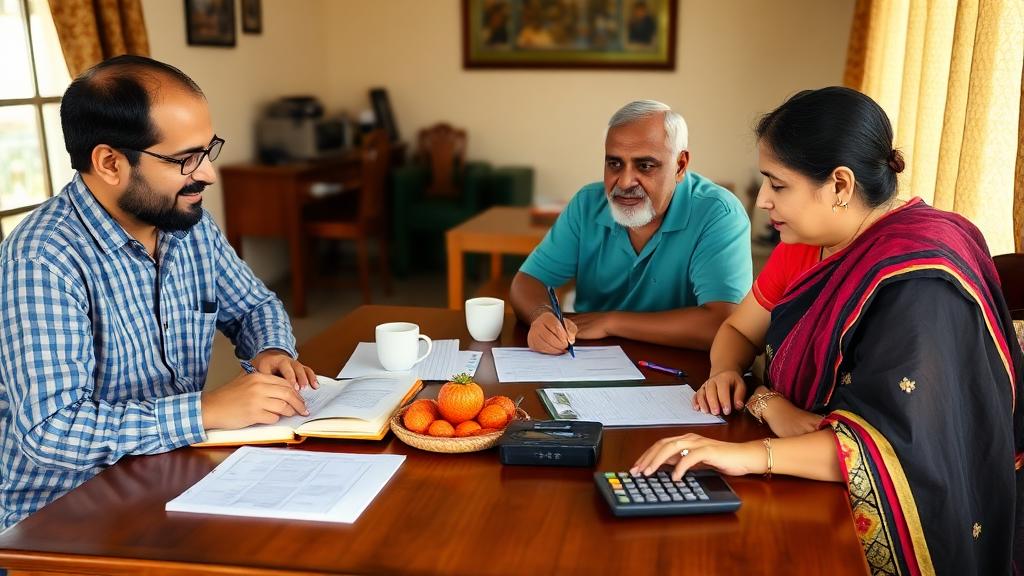
    A small-town Indian family discussing monthly expenses at the dining table with a notebook and calculator, natural lighting, homely vibe

    How I Finally Got My Budget to Work – Real Tips That Actually Stick

    If you’ve ever found yourself staring at an empty Budget by the third week of the month, wondering where all the money vanished welcome to the club. I’ve been there too. Sitting with chai in one hand, telling myself, “This month I’ll spend wisely,” and then boom unplanned expenses, online shopping temptations, or a friend’s birthday dinner mess it all up again.

    So, this blog isn’t some expert-level budgeting guide. It’s just real stuff tried, tested, failed, and tried again. These tips didn’t come from finance books, they came from the kitchen table of an average Indian middle-class house.

    Let me walk you through what actually helped me fix my money mess, in a way that doesn’t feel too strict or boring.

    1. First, ask yourself why you’re even budgeting.

    Honestly, till I had a reason, I never took budgeting seriously. For me, the turning point was when I couldn’t pay my LIC premium on time. That small thing pinched me hard. That’s when I thought, “Okay, I need to sort this.”

    So before anything, just sit and ask yourself — what’s your goal? Maybe it’s saving for your child’s school admission or clearing that one pending loan. Having a reason keeps you going when things get tough.

    2. Don’t keep everything in your head write it down.

    For a long time, I was just mentally calculating — like, “Okay, ₹2,000 for rent, ₹500 for groceries, I should be fine.” But it never worked. I kept forgetting half the things.

    What helped? That ₹30 diary from the local stationery shop. I started writing down even small spends — even the ₹10 chai. It made a difference. You can even stick it near the fridge or on the kitchen wall — somewhere you see every day.

    3. Track every spend like how we follow cricket scores.

    For one whole month, I noted every rupee. Sounds boring, but believe me, it opens your eyes. One week in, I realized I was spending more on snacks than vegetables. That hit me.

    Whether you use an app like Walnut or just a notebook, make it a habit. And do it daily — not once a month, because you’ll forget the small spends otherwise.

    4. Break your spending into categories.

    Don’t just say, “This is all my spending.” Divide it like:

    • Groceries
    • Bills
    • Rent
    • EMIs
    • Eating out
    • Random stuff

    That way, you’ll clearly see where the money leaks are happening. I found I was overspending on food deliveries — didn’t feel like much at the time, but it adds up.

    5. Try the 50-30-20 rule but make it Desi style.

    The basic idea is this:

    • 50% for needs (like rent, bills, food)
    • 30% for wants (entertainment, clothes, outings)
    • 20% for savings

    But in India, things aren’t always that neat. If you’re helping family or have school fees coming up, adjust the ratio. I sometimes do 60-20-20. Point is — divide your income with some logic.

    6. Cash still works better than apps sometimes.

    I know we all use UPI now, but try this withdraw a fixed cash amount for your weekly spends. When you actually see the cash reducing, you’ll think twice before that random impulse spend.

    For me, this method helped me control my Swiggy orders. When the cash in the wallet finishes, it finishes no “Buy Now, Pay Later” nonsense.

    7. Don’t let sudden events spoil your month.

    If you know there’s a wedding or school fee coming up, plan for it. Mark those dates. Keep a small amount aside, so it doesn’t feel like a surprise.

    Earlier, I’d forget about my cousin’s birthday gift and then panic-spend last minute. Now I just write important dates on my fridge whiteboard. Works well.

    8. Keep a small fund just for fun.

    Let’s be honest if your budget is too strict, you won’t follow it. So keep a little money aside just for fun. Movies, snacks, or a new shirt whatever makes you feel good.

    I call it my “guilt-free spending money.” You spend it without feeling bad because you already planned for it.

    9. Automate your savings make it invisible.

    The best decision I made was setting an auto-transfer from my salary account to a savings account. ₹2000, gone the day salary comes in. Out of sight, out of mind.

    I even started a small SIP. You won’t even notice the money going but after a few months, you’ll see it growing.

    10. Your budget will fail the first time. That’s normal.

    The first few months, I kept messing it up. Unexpected things came up. Sometimes I just forgot. But each time, I learnt something.

    Don’t give up. Just adjust a little every month. Maybe one month you overspend on medical stuff, next month cut down on online shopping. Bit by bit, you’ll get better.

    Final Thoughts:

    Honestly, budgeting felt like a boring chore at first. But slowly, it started giving me peace of mind. Earlier, I used to ask, “Where did all the money go?” Now I tell my money where to go.

    It’s not about being perfect. It’s about building a habit, step by step. And if this post helped even one person feel more in control of their money that’s more than enough for me.

    Related Articles:

    If you found this blog interesting, you might enjoy this one too:Desi Jugaad Ways to Save Money Every Month Without Feeling Miserable
    If you’re into this topic, you’ll definitely want to check this out too:10 practical tips for saving money on a tight budget

  • 5 Daily Habits That Actually Brought Me Mental Peace !

    5 Daily Habits That Actually Brought Me Mental Peace !

    A young Indian man or woman sitting peacefully on a terrace at sunrise, sipping chai, with a diary and a plant beside them

    Let’s be real for a second—life’s noisy these days. Whether you’re staying in a small district town or somewhere busy like Bangalore, that daily mental load… it doesn’t really leave you, does it? Work calls, family expectations, Instagram reels till midnight, and still waking up with a tired head next day.

    I’ve been there too. My mind used to feel cluttered all the time. Not serious mental illness maybe, but that constant feeling of being overwhelmed? The kind where nothing’s really wrong, but something never feels right either.

    So I didn’t do anything fancy—no retreats, no expensive therapies. Just started with a few simple daily habits. Very normal things, but when done regularly, they made a big difference to how peaceful I feel inside.

    Let me share what worked for me. Maybe it’ll help you too.

    1. Don’t Touch Your Phone First Thing In The Morning

    What I was doing before:
    Wake up, unlock phone, straight into 10 missed messages, political news, some viral reel, and boom my head would already feel heavy before brushing.

    Now what I do:
    First 30 minutes, no phone. I sit quietly with my morning chai, maybe look at the plants outside or just sit in silence. It feels oddly calm.

    Small tip that helped:
    Keep your phone in another room while sleeping. Use a regular alarm clock, like old times. You’ll sleep deeper and start your day lighter.

    2. Walk Daily (Even If It’s Just Your Corridor)

    What I noticed:
    My neighbour aunty, who’s almost 60, walks every evening for 15–20 minutes on her rooftop. She says her knees feel better and her mind feels fresher.

    I followed the same. No fancy shoes, no gym. Just regular walk, even if it’s around the living room. It clears your head. Especially when done without screens or distractions.

    Why it helps:
    Walking isn’t just for fitness. It gives your thoughts space to breathe.

    3. Finish One Small Task Before Noon

    What it means:
    Doesn’t have to be big—can be folding yesterday’s clothes, replying to one pending mail, or watering the plants.

    How it helps:
    Completing something early in the day gives your mind a push—like, “ok, I’ve done something today already.” It sets the mood for the rest of the day.

    My personal example:
    I clean the front porch every morning. It takes 10 minutes, but gives me that small proud feeling, like I’ve started the day right.

    4. Speak To One Real Person (Not Just Messaging)

    Let’s be honest—most of us spend the day replying to texts or reacting to reels, but actual conversation? Very rare.

    What I do now:
    I call my childhood friend in the evening. We talk nonsense for 10 minutes—memes, what’s cooking, weather. It gives me more peace than any motivational video.

    Try this:
    Call someone who won’t judge. No need for deep talks—just normal catch-up is enough.

    5. No Screens At Least 30 Minutes Before Bed

    Why I changed this:
    Earlier I used to scroll till my eyes shut. But it messed up my sleep and dreams. Now I switch off all screens 30 minutes before bed.

    What I do instead:
    Sometimes I stretch lightly, sometimes I just stare at the moon from my window. I even write a small note of 2-3 things I’m thankful for that day. It brings calmness.

    🌿 My Honest Take: Peace Is Already Around Us

    We keep chasing peace like it’s locked inside some self-care app or therapy session. But actually, it’s sitting quietly next to us—in a quiet morning tea, in one real chat, in a 10-min walk on the rooftop.

    These habits aren’t magic tricks. They won’t change your life in one week. But if you stick to even a few of them, something inside you starts to soften. And that small shift? That’s where peace begins.

    So don’t overthink it. Pick any one and start today.

    Related Links,
    Enjoyed this read? Continue the journey with: Master Time Management with These Proven Techniques
    If this resonated with you, here’s something similar you might like: 12 essential mindfulness practices for cultivating inner peace