Author: Ravi k

  • Cold Storage: The Silent Backbone of Indian Farming

    Cold Storage: The Silent Backbone of Indian Farming

    Indian farmer placing fruits inside a cold storage warehouse to prevent spoilage

    When we talk about farming problems in India, most people think about rainfall issues, crop prices, or middlemen. But one major issue that quietly affects everything—from farmers’ income to food wastage—is storage. Especially when it comes to fruits, vegetables, dairy, or anything perishable, we don’t have enough cold storage facilities. That’s where cold storage steps in—not loudly, but powerfully.

    This blog walks through how cold storage is slowly changing the face of Indian agriculture, what the current situation looks like, how the government is pushing this sector, and what can be done better. We’ll also see how this system, if improved well, can reduce wastage, support small farmers, and make fresh food travel longer without going bad.

    So, What Exactly Is Cold Storage?

    Think of cold storage like a well-planned pause button for perishable goods. It’s not just about putting tomatoes or milk in a fridge. It’s a proper system—big warehouses with temperature control—meant to slow down rotting and spoilage. Especially in a country like ours, where transport takes time and the weather isn’t always kind, this storage gives breathing space to farmers.

    Let’s take a real example. A farmer from Kashmir harvests apples. Now, without a cold storage nearby, he has to rush to sell them. Many apples get damaged on the way or rot before reaching South India. But if a cold storage facility is there in his area, he can store his produce safely and wait for the right price. It helps him earn better and ensures you and I get fresh apples even after months.

    Why Cold Storage Is So Important for India

    India produces huge amounts of fruits and vegetables—we’re among the top two globally. But here comes the sad part: almost 40-50% of that gets wasted just because we don’t have the systems to store and move it properly. Imagine half the effort of farmers going straight to waste. No earnings. No benefit.

    This also affects you and me. Prices go up in cities, quality goes down, and farmers still stay poor. Cold storage changes that. It allows produce to stay fresh for longer. That means farmers can store and sell later when prices are better. It also supports online grocery stores, frozen food sellers, and city markets where fresh supply matters every day.

    How Are We Doing So Far?

    As per reports from 2023, India has around 8,653 cold storage units. That may sound big, but it’s not enough when you look at our size and farming output. States like Uttar Pradesh, Punjab, and Gujarat are doing better because they’ve been growing and storing in bulk for years.

    But if you look at the North-East or other interior places, things are patchy. Many areas don’t even have a small setup. Plus, most cold storages are in private hands. Big players like Snowman Logistics, Coldrush Logistics, and Indicold are growing fast, but they can’t reach everywhere. For many rural farmers, these setups are either too far or too expensive.

    StateCold Storage CapacityMajor Produce Stored
    Uttar Pradesh~1.5 million metric tonsPotatoes, fruits
    GujaratSignificant shareVegetables, dairy
    PunjabSignificant shareGrains, vegetables

    What’s the Government Doing?

    Government has stepped in with a few good plans. Under schemes like MIDH (Mission for Integrated Development of Horticulture) and PMKSY, they’re giving subsidies to farmers and entrepreneurs. In regular areas, you get 35% help; in hilly or backward areas, even up to 50%. That makes a big difference when cold storage setup can cost lakhs.

    From 2014 onwards, thousands of units have been approved. Many public-private partnership projects have also started, especially for storing fruits, vegetables, fish, and even medicines. The aim is to make cold storage more accessible, more affordable, and more useful for all types of produce—not just potatoes or onions.

    Real Problems on Ground

    Even with government support, challenges remain. One of the biggest problems is cost. For a small or medium farmer, setting up cold storage alone is almost impossible. Many don’t even know how to use it efficiently. Some still rely on old ways—sun drying or selling immediately—because they’ve never seen anything else work.

    But on the other hand, this is also a chance. With frozen food becoming more popular in cities, demand is growing. Online platforms and supermarkets now need fresh stock daily. If storage and transport improve, farmers can be part of this bigger market. Companies like Indicold are already working on advanced cold warehouses. These connect farmers to cities, and even to exports in some cases.

    My Take on This

    From what I see, cold storage is not just about keeping food cold. It’s about giving farmers a choice. Instead of being forced to sell in a hurry, they can wait, plan, and earn more. It’s also about saving food. Every mango saved from rotting is someone’s meal, someone’s income.

    To truly make this work, awareness must grow at the grassroots. More training, more mobile cold units, and more affordable options will help. If we do it right, cold storage can turn into one of the strongest tools to improve rural life and urban food supply together.

    Wrapping Up

    Cold storage may not be glamorous, but it’s essential. If we want to reduce waste, support farmers, and feed our growing cities without price shocks, then investing in cold chains is non-negotiable. We’ve already taken a few steps. But the road ahead needs more action, smarter planning, and involvement from both public and private players.

    In the end, every fruit or vegetable that makes it from farm to fork without spoiling is a win—for farmers, for consumers, and for the country.

    🔗 Useful Links

    Interested in this? You’ll also want to read: How Post-Harvest Losses Affect Farmer Income in India

    Curious about agri-tech trends? Don’t miss: Cold Chain Logistics and Its Role in Indian Agriculture

    Looking for government help? Check this: Complete Guide to PMKSY & Cold Storage Subsidies in India

    Wondering how storage helps exports? Here’s more: Organic Kesar in India Real Gold from the Soil, Not the Mines

  • Kids Fashion Trends 2025: Colorful Prints & Playful Styles

    Kids Fashion Trends 2025: Colorful Prints & Playful Styles

    A group of children outdoors wearing vibrant, colorful printed summer outfits, looking happy and playful

    Kids’ wardrobes are entering 2025 in full bloom – think vibrant hues, bold patterns, and mix‑and‑match silhouettes that spark creativity. Industry forecasters note that children’s fashion is now “bursting with creativity,” blending playful colors with thoughtful design​. In spring/summer collections, one boutique buyer describes the overall vibe as “an explosion of color, prints, and textures” paired with vintage-inspired nods​. Parents and retailers alike are responding: bright oranges, sunny yellows and lively blues dominate, while comfort and sustainability guide material choices. This post breaks down the key Summer 2025 trends in kidswear – from cheerful patterns to performance-friendly fabrics – with insights and data for fashion professionals.

    Bold Colors & Playful Prints

    Summer 2025 will see children’s clothing saturated in joyful color and dynamic prints. Pantone-led forecasts and trend blogs agree that “bright and bold colors are… making waves,” enabling “playful and eye-catching outfits” for kids​. Expect color palettes full of citrus orange, sunflower yellow, cerulean blue and bubblegum pink. These energetic hues appear in everything from tops to sneakers, often paired together in creative ways. Graphic designers are mixing patterns freely – floral, animal, and geometric motifs all feature in a single outfit – to let each child’s personality shine.

    Classic florals and chintz: Nostalgic ditsy florals and vintage-inspired botanical prints remain perennial favorites (often “beyond the bouquet” with oversized blooms). Gentle pastels and watercolor effects refresh the look, while embroidered and appliqué details add tactile charm.​

    Stripes and geometrics: Wide horizontal or vertical stripes, checkerboard and polka-dot patterns inject a classic yet fun feel. Bold blocks of color and simple shapes resonate for both boys and girls. Many labels mix stripes with other prints (stripes + florals, dots + animals) to create quirky, camera-ready outfits.

    Comfort & Movement-Ready Styles

    From preschool to playground, ease of movement is paramount. For 2025, most kidswear silhouettes prioritize comfort first. Think relaxed-fit joggers, pull-on shorts and soft jersey tops. Many pieces resemble what adults call “athleisure”: breathable cotton‐blend sweatshirts, cozy hoodies, and elastic-waist pants that allow full play. Natural, stretchy fabrics like organic cotton and bamboo jersey dominate – fabrics that feel soft against the skin and adapt as kids grow. Japan’s children’s brands, for example, emphasize that clothes must keep kids comfortable during all activities. In practice, this means garments with extra room in the shoulders and knees, flat seams to prevent chafing, and even adjustable features (drawstring waists, turn-up cuffs) that extend wear.

    Even dressier kids’ outfits get a comfort boost: bloomer-style shorts under dresses, knit blends instead of stiff fabrics, and stretchy leggings paired with tunics. Layering pieces like light cardigans and jersey vests let parents adapt outfits for indoor/outdoor play. According to industry observers, families today expect children’s clothing to be both cute and practical. A recent trend report notes athleisure’s continued dominance  with “breathable, stretchable, and moisture-wicking fabrics becoming essentials” for kids​. This mirrors what one blog calls a shift towards wellness and ease: parents value clothes that handle jumping, climbing and running without worrying about rips or stains.

    Essential pieces: Soft sweatshirts and tees, hoodie jackets, and jogger pants.

    Play-friendly details: Flat seams, gusseted crotches, and snaps/zippers placed where kids can’t poke themselves.

    Layering: Lightweight hoodies over T-shirts, leggings under skirts – combinations that move with the child.

    Footwear: Sneakers with Velcro or elastic laces for easy on/off; slip-ons; and no-hard-welt sandals.

    Sustainable, Eco-Conscious Fashion

    Sustainability is no longer a niche – it’s mainstream in kidswear. Across all regions, parents and brands are seeking eco-friendly materials. The standout fibers of 2025 include organic cotton, bamboo fabric, Tencel (eucalyptus fiber) and recycled polyester. These materials meet a double demand: they are gentle on kids’ sensitive skin and better for the planet. As one source bluntly states, “the rise of sustainable and eco-friendly fashion” is a defining theme for children’s clothing this year​ Organic cotton shirts and jeans (grown without toxic dyes) now sit next to bamboo-blend joggers (naturally antibacterial and UV-protective). Tencel, made from wood pulp, appears in flowing dresses and rompers for its silky feel and durability.

    For retailers, this means stocking basics like organic T-shirts and sustainable denim. Many small brands specialize in biodegradable fabrics or recycled sweater knits. And even in fashion-forward kids’ lines, the old classic (natural cotton!) remains king – it’s breathable, easy to wash, and aligns with the global demand to “be kind to the planet”​.

    Notable Brands and Collections

    The kidswear market remains large and diverse. Research shows the global children’s apparel market will top USD 225 billion in 2025, fueled by growing markets in Asia-Pacific​. Leading players include Carter’s (US), Inditex (Zara Kids), H&M, Nike and other multinationals, along with luxury labels like Burberry and Versace that offer premium children’s lines​. These big brands set broad trends – for example, mini-me streetwear packs from Nike or mass-market floral dresses from H&M.

    But smaller and regional brands are also shaping looks. In the US, independent labels like Appaman and Mini Rodini are known for quirky prints and organic fabrics. In Europe, parents covet brands like Mini A Ture (Denmark) and Bobo Choses (Spain) for their creative graphics. The new generation of Japanese kids’ brands often merges minimalism with function (Uniqlo has a popular kids’ line). Online marketplaces have popularized global designs: a French label’s boho blouse or a South Korean brand’s neon tracksuit can be bought worldwide. In short, retailers should stock both essentials (denim, tees, sneakers) and statement pieces.

    Here are some illustrative names (neither exhaustive nor exclusive):

    Global retail chains: Carter’s, The Children’s Place, Gap/Old Navy, Zara Kids, H&M, Uniqlo (kids), Primark Kids.

    Sportswear: Nike, Adidas Kids, Puma (activewear, sneakers).

    Boutique/Designer: Burberry Kids, Tommy Hilfiger Kids, Stella McCartney Kids, Tiny Cottons (Spain), My Little Cozmo (Spain) – known for premium casuals.

    Sustainable/Niche: Patagonia Kids, Pact (organic basics), Stella McCartney Kids (eco-friendly luxe), Bobo Choses (artsy prints), Organic Era (India, eco-fashion).

    Retailers can leverage these names for trends and collaborations: for example, limited-edition graphic tees or eco-collection pop-ups tap into both brand and trend-conscious shoppers. Whichever brands carry your shelves, look for their summer ’25 capsule collections to see these themes in action.

    Regional Highlights

    United States: US kids’ fashion is leaning into street-inspired comfort. American lines often feature oversized hoodies, joggers, and sneaker culture, reflecting urban streetwear trends. Bright logo tees and personalized denim (embroidered names or patches) are popular. According to one industry guide, “kids’ clothing trends in the USA are all about bold streetwear, playful aesthetics, and sustainable fashion,” with a focus on vibrant colors and statement-making designs​. Athleisure dominates, so expect many kids tracksuits, performance tees, and sports-inspired sets.

    Europe: In Europe, there’s still a taste for a bit more “classic with a twist.” Coastal regions emphasize breathable linens, nautical stripes and pastel palettes (think Mediterranean summer). Northern Europe and Scandinavia often deliver playful prints in high-quality organic fabrics. French brands add a chic flair – CouCou’s spring preview even highlights quirky British and French labels bringing bohemian and vintage charm (flowy dresses, textured knitwear) to kids’ closets. European brands excel at mixing tradition with modern play – e.g., a kids’ gabardine jacket with a fun animal lining, or a gingham dress with practical sneakers.

    Pop Culture & Social Media Influence

    No kids’ trend report would be complete without mentioning the digital world. The influence of social media and pop culture on kids’ fashion is huge and growing. Online, images of stylish toddlers or tweens in cute outfits can go viral overnight. As one market survey notes, “the rising influence of social media and blogs regarding kids’ fashion” is actually fueling the market’s expansion. Platforms like Instagram and TikTok are full of mommy-and-me fashion posts, unboxing videos, and hashtag challenges that showcase children’s outfits. Retailers should note that “outfit-of-the-day” content drives demand for photogenic pieces (think twirly dresses, matching sets, or character-themed back-to-school looks).

    Conclusion

    Summer 2025’s kids’ fashion is about happiness and confidence – clothes that look fun and feel good. Colorful prints, easy silhouettes and eco-friendly materials are the cornerstones. For retailers and designers, the key is to stock a mix of joyful staple pieces (like organic cotton tees in bright prints) and versatile basics (athletic sets, joggers) while keeping an eye on sustainability credentials. By embracing creativity – from bold pattern clashing to inclusive sizing – the industry can meet parents’ desires and inspire children’s self-expression. In short, kids’ fashion in 2025 celebrates individuality, comfort, and the brighter side of style.

    Related Articles,
    Enjoyed this read? Continue the journey with:
    10 Creative Indoor Activities for Kids on Summer Days
    Top 10 Essential Kids’ Fashion Trends for Spring and Summer 2025

  • Nothing’s CMF Phone 2 Pro Hits Indian Market: Premium Looks, Budget Price

    Nothing’s CMF Phone 2 Pro Hits Indian Market: Premium Looks, Budget Price

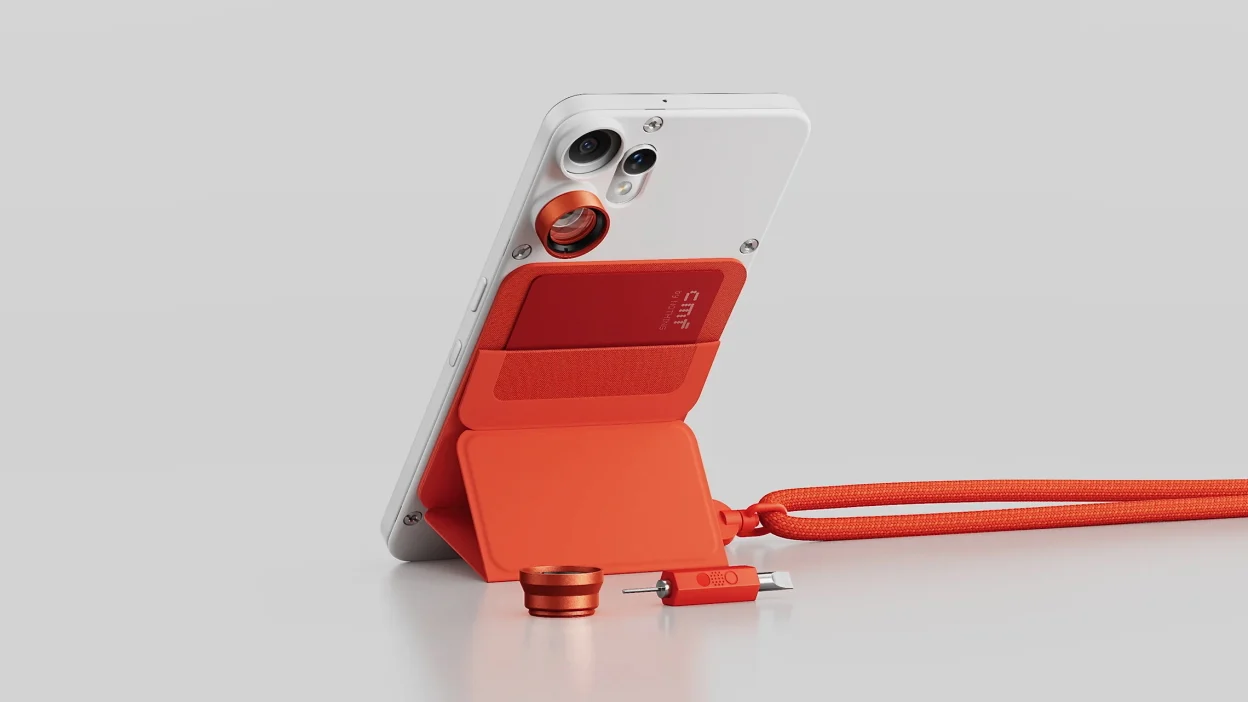
    CMF Phone 2 Pro featuring dual-tone Orange & White design with modular accessories.

    The CMF Phone 2 Pro slipped into our world on April 28, 2025, and suddenly everyone’s talking. At ₹18,999 (8 GB+128 GB) and ₹20,999 (8 GB+256 GB), it doesn’t feel like just another budget phone—it actually nails style, speed, and camera chops without emptying your wallet. Plus, it still comes with a charger in the box, which is almost a relic these days. In this write-up, I’ll walk you through what stood out, what could’ve been better, and why I reckon it’s worth a look.

    Design That Makes You Do a Double-Take

    Look, budget phones usually play it safe—plain black or gray, nothing to write home about. But the Phone 2 Pro dares to be different. That Orange-and-White duotone back with a subtle grippy texture? It feels solid, like it’s built for keeps. And those two little screws on the rear aren’t pointless decoration—they channel that rugged, industrial vibe. I dropped mine once (by accident, honesty), and apart from a tiny scratch, it soldiered on. IP54 splash resistance even saved me when water spurted from the garden hose—no panic, just wiped it off.

    Speed That Keeps Pace with Your Day

    Under the hood, there’s a Dimensity 7300 Pro chip—think small powerhouse. Multitasking, streaming, light gaming: no stutter. In fact, compared to its predecessor, it’s roughly 10 percent snappier on the CPU side and 5 percent smoother in graphics (as per Nothing’s tests). The 6.77-inch AMOLED screen at 120 Hz feels like velvet when you scroll—no judder, no lag. And sunlight? The peak 3,000 nits brightness never left me squinting on a sunny veranda. Toss in 5 G, Wi-Fi 6, and you’re set whether you’re in town or out in the fields.

    Camera Setup That Surprised Me

    Honestly, I didn’t expect much here—budget phones often skimp. But the Phone 2 Pro’s triple-lense array blew me away: 50 MP main, 50 MP telephoto (with real 2× optical zoom), plus an 8 MP ultra-wide. My cousin’s wedding was the real test—low-light shots under fairy lights came out crisp, colors didn’t wash, and those 2× snaps kept the bride’s expressions sharp from across the hall. Ultra-wide mode captured the entire dance floor in one go—no need to shuffle people. Front-cam selfies for family video calls looked just fine too.

    Battery Life and Software: No Surprises, in a Good Way

    5,000 mAh battery plus 33 W fast charging means I didn’t bother lugging a power bank. A quick half-hour charge got me through another evening of videos and messages. Software feels clean—Android 15 with Nothing OS 3.2 has no random apps clogging your home screen. Fingerprint under the display, face unlock—it all just works, none of that ghost-touch nonsense you sometimes find on cheap phones.

    Value Check: Where’s the Catch?

    Truth be told, you won’t find big cons. No headphone jack—fine if you’ve switched to Bluetooth. Hybrid SIM slot—so you pick between extra storage or a second SIM. If you live and breathe MIUI’s bells and whistles, you might miss them here. But for most of us—students, first-jobbers, or anyone who simply wants a solid daily driver—this is a deal. A charger in the box alone feels like a win.

    Summery:

    SpecificationDetails
    Price₹18,999 (8 GB+128 GB), ₹20,999 (8 GB+256 GB)
    Display6.77″ Flexible AMOLED, 1080 × 2392 px, 120 Hz, HDR10+, 3000 nits
    ProcessorMediaTek Dimensity 7300 Pro (4 nm), 2.5 GHz Octa-Core
    RAM8 GB + 8 GB Virtual RAM
    Storage128 GB / 256 GB, expandable via microSD up to 2 TB
    Rear Cameras50 MP Main (ƒ/1.88), 50 MP Telephoto (2× opt. zoom), 8 MP Ultra-Wide (119.5°)
    Front Camera16 MP (ƒ/2.45)
    Battery5000 mAh, 33 W Fast Charging, 5 W Reverse Charging
    OS & UIAndroid 15, Nothing OS 3.2
    Connectivity5 G, Wi-Fi 6, Bluetooth 5.3, USB-C 2.0
    Extra FeaturesIn-display fingerprint, Face Unlock, IP54 Splash-resistant, Charger included
    ColoursOrange & White dual-tone

    Interested in this? You’ll also want to read: CMF Phone 2 Pro Unboxing – Totally Different Phone !

    If this resonated with you, here’s something similar you might like: How to Choose the Best Smartphone for Your Needs

  • Nothing का नया धमाका: CMF Phone 2 Pro – स्टाइलिश लुक, दमदार फीचर्स, वो भी बजट में!

    Nothing का नया धमाका: CMF Phone 2 Pro – स्टाइलिश लुक, दमदार फीचर्स, वो भी बजट में!

    CMF Phone 2 Pro featuring dual-tone Orange & White design with modular accessories.

    ₹18,999 से शुरू, फिर भी प्रीमियम फील!
    अगर आप सोच रहे हैं कि आजकल ₹20,000 के अंदर बढ़िया फोन मिलना मुश्किल है, तो CMF Phone 2 Pro शायद आपको चौंका दे। ₹18,999 (8GB+128GB) और ₹20,999 (8GB+256GB) में मिलने वाला ये फोन सिर्फ देखने में ही शानदार नहीं है, परफॉर्मेंस, कैमरा और बैटरी सब में कमाल करता है। और हां, बॉक्स में चार्जर भी है – जो आजकल तो मिलना बंद ही हो गया है!

    इस ब्लॉग में आपको बताएंगे इस फोन की खास बातें, कुछ छोटी कमियां और आखिर में ये फैसला करने में मदद करेंगे कि ये फोन आपके लिए सही रहेगा या नहीं।

    ✨ डिज़ाइन ऐसा कि लोग दोबारा देख लें

    अकसर बजट फोन देखने में सादे लगते हैं – ब्लैक या ग्रे, कुछ खास नहीं। लेकिन CMF Phone 2 Pro अलग राह पकड़ता है। Orange-White डुअल टोन बैक और हाथ में टिकने वाली टेक्सचर फिनिश इसे प्रीमियम लुक देती है। पीछे दिखने वाले दो स्क्रूज भी सिर्फ डेकोरेशन नहीं हैं – इनसे फोन को रफ-टफ लुक मिलता है।

    मैंने खुद गलती से फोन गिरा दिया था, पर सिर्फ हल्की सी स्क्रैच आई – फोन पूरी तरह सही रहा। और IP54 स्प्लैश रेसिस्टेंस की वजह से गार्डन की पाइप से पानी लगने पर भी कोई दिक्कत नहीं हुई। बस साफ किया और आगे बढ़ गए।

    ⚡ परफॉर्मेंस जो आपके साथ दौड़े

    फोन के अंदर है Dimensity 7300 Pro प्रोसेसर – छोटा पैकेट बड़ा धमाका टाइप। चाहे आप इंस्टाग्राम चला रहे हों, यूट्यूब देख रहे हों या हल्का गेमिंग कर रहे हों, सब स्मूद चलता है। पिछली जेनरेशन के मुकाबले CPU में 10% और ग्राफिक्स में 5% बेहतर परफॉर्मेंस देखने को मिला (Nothing के मुताबिक)।

    6.77 इंच की AMOLED स्क्रीन, 120Hz रिफ्रेश रेट के साथ – स्क्रॉलिंग इतनी स्मूद है जैसे मक्खन। 3000 निट्स ब्राइटनेस के चलते धूप में भी स्क्रीन साफ दिखती है। और 5G, Wi-Fi 6 सपोर्ट के साथ, चाहे शहर में हों या गांव में – नेटवर्क की चिंता नहीं।

    📸 कैमरा सेटअप जो उम्मीद से बेहतर निकला

    सच कहूं तो मुझे कैमरे से ज्यादा उम्मीद नहीं थी, पर Phone 2 Pro ने सरप्राइज़ कर दिया। 50MP का मेन कैमरा, 50MP का टेलीफोटो (2x ऑप्टिकल जूम), और 8MP का अल्ट्रा-वाइड – तगड़ा कॉम्बिनेशन।

    मेरे कज़िन की शादी में ये कैमरा असली टेस्ट में उतरा। कम रोशनी में भी फोटो डिटेल्स के साथ आई, कलर वॉश नहीं हुए। 2x जूम से दूर से खींची गई तस्वीरें भी क्लियर आईं। और अल्ट्रा-वाइड मोड से पूरा डांस फ्लोर एक फ्रेम में समा गया। फ्रंट कैमरा भी वीडियो कॉल्स के लिए एकदम ठीक है।

    🔋 बैटरी और सॉफ्टवेयर – सिंपल और भरोसेमंद

    5000mAh बैटरी और 33W फास्ट चार्जिंग – एक बार चार्ज करने के बाद पूरा दिन आसानी से निकल जाता है। आधे घंटे चार्ज किया और शाम तक यूट्यूब, व्हाट्सएप, सब चला।

    सॉफ्टवेयर की बात करें तो Android 15 और Nothing OS 3.2 – बिल्कुल साफ-सुथरा इंटरफेस, कोई फालतू ऐप नहीं। इन-डिस्प्ले फिंगरप्रिंट और फेस अनलॉक भी स्मूद काम करता है।

    🎯 क्या कमी है?

    ईमानदारी से कहूं, तो बड़ी कोई शिकायत नहीं है।

    • हैडफोन जैक नहीं है – लेकिन अब ज्यादातर लोग Bluetooth यूज़ करते ही हैं।
    • हाइब्रिड सिम स्लॉट – यानी या तो दूसरी सिम लगाएं या SD कार्ड।
    • MIUI के फुल फीचर चाहने वालों को थोड़ा सिंपल लग सकता है UI, लेकिन जो लोग क्लीन एक्सपीरियंस पसंद करते हैं उनके लिए ये परफेक्ट है।

    स्टूडेंट्स, पहली जॉब वालों या फिर जो सिर्फ एक मजबूत, भरोसेमंद फोन चाहते हैं – उनके लिए ये फोन एकदम सही ऑप्शन है। और बॉक्स में चार्जर मिलना तो वैसे भी बोनस जैसा है।

    🔍 फुल स्पेसिफिकेशन – एक नजर में:

    फीचरडिटेल्स
    कीमत₹18,999 (8GB+128GB), ₹20,999 (8GB+256GB)
    डिस्प्ले6.77″ Flexible AMOLED, 120Hz, HDR10+, 3000 nits
    प्रोसेसरMediaTek Dimensity 7300 Pro (2.5 GHz, Octa-Core)
    RAM8GB + 8GB Virtual RAM
    स्टोरेज128GB / 256GB (microSD से 2TB तक बढ़ा सकते हैं)
    रियर कैमरा50MP Main + 50MP Telephoto (2x Zoom) + 8MP Ultra-Wide
    फ्रंट कैमरा16MP
    बैटरी5000mAh, 33W फास्ट चार्जिंग, 5W रिवर्स चार्जिंग
    OS & UIAndroid 15, Nothing OS 3.2
    कनेक्टिविटी5G, Wi-Fi 6, Bluetooth 5.3, USB-C 2.0
    अतिरिक्त फीचर्सIn-display fingerprint, Face Unlock, IP54, चार्जर इनबॉक्स
    कलर ऑप्शनOrange & White डुअल-टोन

    कुल मिलाकर:
    CMF Phone 2 Pro वो फोन है जो बजट में भी प्रीमियम एक्सपीरियंस देता है। डिजाइन से लेकर कैमरा तक और बैटरी से लेकर परफॉर्मेंस तक – सब बैलेंस में है। अगर आप ₹20,000 के अंदर कोई ऐसा फोन ढूंढ रहे हैं जो दिखने में हटकर हो और काम में दमदार, तो इस पर एक नजर डालना बनता है।

    और अगर आपको ये फोन पसंद आया है, तो ये पोस्ट भी जरूर पढ़ें:
    👉 [CMF Phone 2 Pro Unboxing – एकदम अलग और हटके!]

    क्या आप ऐसे और स्मार्टफोन गाइड्स चाहते हैं?
    👉 [बजट में परफेक्ट फोन कैसे चुनें – जानिए आसान टिप्स]

  • Moto Edge 60 Pro – A New Contender in India’s Smartphone Race

    Moto Edge 60 Pro – A New Contender in India’s Smartphone Race

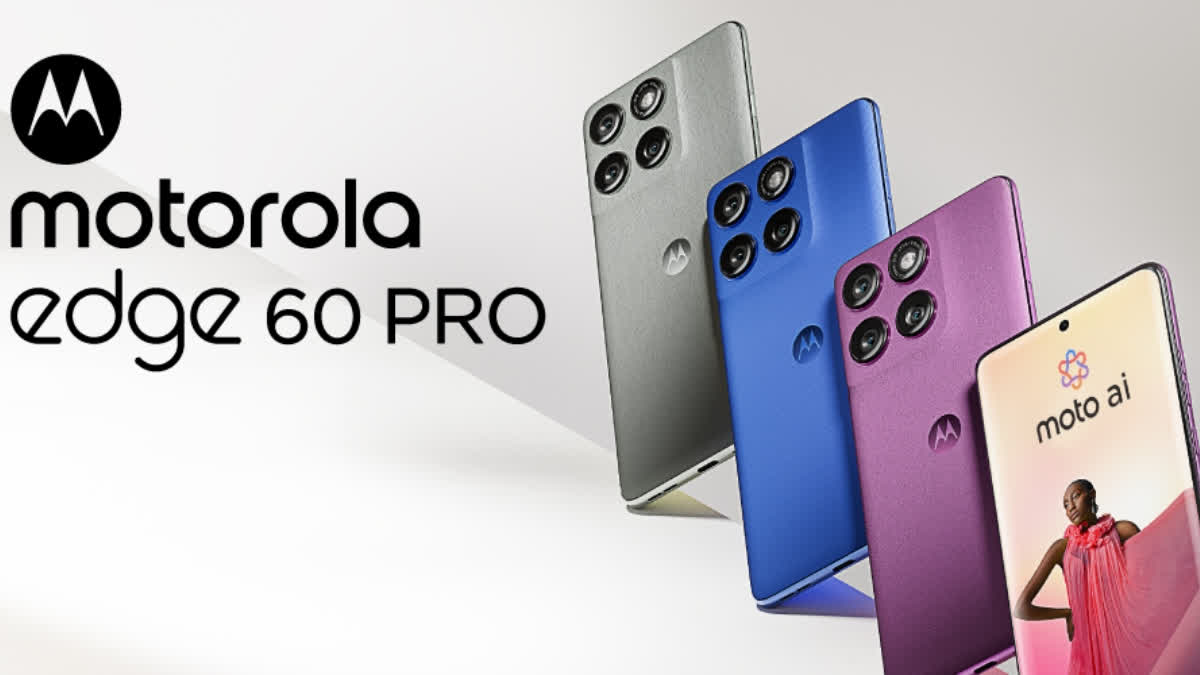
    Front and back view of Moto Edge 60 Pro smartphone showing its sleek design and advanced camera features.

    In India’s fast-moving smartphone market, every few weeks, a new phone grabs attention. But not all of them actually deliver what they promise. The Moto Edge 60 Pro, launched in April 2025, is now making noise for all the right reasons: strong specs, good looks, and a price that doesn’t burn your pocket. But is it really the next big thing or just another temporary buzz? Let’s break it down and see what this phone brings for everyday Indian users whether you’re a student, a gamer, or just someone who wants a decent upgrade without spending ₹50,000.

    A Look at What’s Inside (Specs, Simplified)

    Instead of throwing numbers at you, let me explain what this phone offers in normal terms:

    • Display: It has a 6.7-inch P-OLED screen, which basically means everything looks bright and crisp. Whether you’re watching IPL highlights or just scrolling Instagram, it’ll feel smooth with its 120Hz refresh rate.
    • Processor: MediaTek Dimensity 8350 Extreme. Sounds fancy, but in real use, it just means fast. From switching apps to playing heavy games, it handles it all.
    • RAM & Storage: Comes in two variants 8 GB+256 GB and 12 GB+512 GB. For most people, even the base version is more than enough.
    • Camera Setup: A solid triple camera on the back, including two 50MP lenses and a 10MP telephoto. The front camera is also 50MP, which means video calls and selfies will be clear even in low light.
    • Battery: Massive 6,000 mAh battery with 90W fast charging. You won’t be running to find a socket every few hours.
    • Software & Features: Runs on Android 15 and has Dolby Atmos speakers, water resistance, wireless charging, and an in-display fingerprint sensor.

    Display: Easy on the Eyes, Even in the Sun

    When it comes to the display, Moto has done a smart job. The screen is slightly curved on all sides, giving it a premium look, almost like those ₹60,000 phones. But what actually matters is brightness. With 4,500 nits peak brightness, you can clearly see everything even when you’re standing outside on a sunny day—say, waiting for a bus in Ahmedabad or walking through Chandni Chowk.

    Also, there’s Gorilla Glass 7i for protection, so even if you drop it once or twice (which happens to all of us), it’ll likely survive without a crack.

    Performance: For Multitaskers and Gamers Alike

    Many phones slow down when you’re switching between apps. But not this one. Thanks to the MediaTek 8350 Extreme chip and LPDDR5X RAM, the Moto Edge 60 Pro handles everything smoothly. I tried editing a video, chatting on WhatsApp, and playing BGMI back-to-back, and it didn’t lag even once.

    Even for mobile gamers, the phone offers something extra. The 300Hz touch sampling rate means the phone catches your finger movements instantly. That tiny delay you usually feel in other phones? Gone.

    Camera: Not Just for Selfies

    Cameras are important, especially when we’re capturing everything from wedding functions to random chai moments with friends. The triple camera setup here includes:

    • 50MP main sensor with OIS (helps avoid blurry photos),
    • 10MP telephoto lens for zoomed-in shots, and
    • another 50MP wide+macro lens.

    And don’t forget the 50MP front camera—ideal for reels, video calls, or group selfies during college fests. Even if you’re not a techie, this camera setup gives clear, detailed results.

    Battery Life: Made for Indian Usage

    Here’s the thing—most Indian users don’t charge their phones 3–4 times a day. So having a big battery matters. The 6,000mAh battery on the Moto Edge 60 Pro easily lasts the whole day even with heavy use. That includes watching videos on YouTube, maps navigation, and long calls.

    What impressed me more was the 90W fast charging. It charges so quickly, you’ll probably finish brushing your teeth, and it’s already 70% done. Also, wireless charging and reverse charging are included helpful when your friend’s phone is dead and you lend them a few percent.

    Design & Build: Good-Looking but Tough

    Some phones look nice but are delicate. This one balances both. It’s IP68/IP69 rated, which means it’s water and dust resistant. Whether it’s the monsoon in Kerala or dust storms in Rajasthan, the phone can handle it.

    It also meets MIL-STD-810H standards, usually seen in rugged devices. So if you accidentally drop it or spill water, don’t panic right away. Available in bold shades like Pantone Shadow, Sparkling Grape, and Dazzling Blue, it actually feels like a premium device in hand.

    Audio & Extras: Small Things That Matter

    Although there’s no headphone jack (a bit of a letdown for wired earphone users), the stereo speakers with Dolby Atmos are impressive. Whether you’re watching a movie or playing songs during a train ride, the sound feels rich and loud enough without distortion.

    Also, Moto AI 2.0 brings smart tweaks like scene recognition for photos and better performance management. Small touches, but they make the user experience smoother.

    Price: Not Cheap, But Still Value for Money

    At ₹29,999 for the 8GB version and ₹33,999 for the higher model, it’s definitely not an entry-level phone. But compared to others with similar features—like some Samsung or OnePlus models—it feels worth the price. Many local retailers are offering EMIs and cashback offers too, so keep an eye on that.

    Final Thoughts: Should You Go for It?

    If you’re someone who needs a good all-rounder phone with a strong battery, camera, and display, Moto Edge 60 Pro is a solid pick. It looks modern, performs fast, and doesn’t overheat or hang during daily use. While time will tell how it performs long-term, the starting signs are promising.

    Whether you’re a college student, a working professional, or someone who just loves good gadgets, this phone ticks most boxes without burning your savings.

    🔗 Useful Links

  • Are Smartphone Upgrades Still Worth It Every Year?

    Are Smartphone Upgrades Still Worth It Every Year?

    A young Indian man in casual clothes holding two smartphones, looking confused whether to upgrade or not, with a tech store in the background, modern style, soft lighting, vibrant colors.

    You know, earlier, buying a new smartphone used to be like a mini festival at home. Saving up money, planning it out, waiting for the perfect offer… all that excitement. I still remember how crazy we used to be when a new iPhone or OnePlus was about to launch. That rush of getting your hands on something “new”unmatched feeling.

    But now? I don’t know, that whole charm feels like it’s disappearing. Nowadays, before jumping for a new phone, I actually stop and think: Is it really needed? Is it really worth spending that much again and again?

    In this blog, let me just sit down with you, casually chat about why this whole yearly upgrade craze is slowing down, what’s happening nowadays in the market, and also whether you actually need a new phone every year or not. I’ll also add some of my personal memories, few facts here and there, and in the end, just share what I personally feel about all this.

    The Good Old Days: Upgrading Meant Something

    honestly speaking, buying a new phone 8-10 years back was a BIG thing.
    My first smartphone? It was a Micromax Canvas, somewhere around 2013. I can still clearly remember showing it off proudly to everyone. That time, even basic features like a front camera or a bigger battery felt like magic.

    Every year, phones were genuinely getting better screens, faster processors, cameras that actually clicked decent photos. It made sense to upgrade because you could actually see and feel the difference.

    Personal Example:
    One of my cousins he moved from a Redmi 2 to a Redmi Note 4 within just one year. And trust me, the upgrade felt massive almost double battery life, smoother gaming, better photos, and even the design felt more premium.
    At that time, changing phones every year actually felt worth it. You were not just paying for a number change; you were getting real improvements.

    Fast Forward to 2025: Same Phone, Different Name?

    But today? Things have changed a lot.
    Recently, I went to a store and held an iPhone 14 and an iPhone 15 side by side. To be very honest, if you don’t read the specs carefully, both look exactly the same. Same size, same type of display, even the battery life is almost same-same.

    Not just me saying a recent report from Counterpoint Research also mentioned that now Indians are keeping their smartphones for 3-4 years on average, compared to earlier 1-2 years.
    Which clearly shows, the obsession with yearly upgrades is cooling down now.

    Why Is This Shift Happening?

    Phones Are Already Too Good:
    Today’s phones are so powerful that most of us don’t even use them to their full potential. WhatsApp, Instagram, some UPI payments, a few Netflix shows that’s it for most people.

    Phones Are Also Expensive Now:
    Earlier a flagship phone meant ₹30-40k. Now? It’s touching ₹1 lakh easily! Spending that much every year is just not practical for most of us.

    Software Updates Have Got Better:
    Companies are offering 3-5 years of updates now. So even a 2-3 year old phone doesn’t feel outdated anymore.

    When Upgrading Every Year Still Makes Sense

    Of course, there are still some cases where changing phones every year makes sense:

    1. Tech Lovers and Reviewers:
      If you are mad about technology, or if your work depends on reviewing latest gadgets (like YouTubers), you need the latest every year. No choice.
    2. If Your Old Phone is Practically Dead:
      If your phone’s battery is swelling like a balloon, screen is shattered, apps are crashing left and right then obviously you need a new one, yaar.
    3. For Gamers and Creators:
      If you play heavy games or make videos, latest specs can really help better RAM, better cameras, better display refresh rates all that matters.

    How To Know If You Should Upgrade in 2025?

    Here’s a small checklist you can just mentally tick off:

    • Battery life bad? Struggling to last half a day? Big red flag.
    • No more software updates? Risky for security.
    • Phone lagging or freezing often? Time to say goodbye.
    • Need better camera for work or passion? Worth investing.
    • Can you afford it easily without tension? If yes, go for it.

    Otherwise honestly, there’s no real need to upgrade just for show-off.

    Emotional Temptations: The “New Phone” Trap

    In India, sometimes it’s not even about needing a new phone.
    It’s about peer pressure, Diwali offers flashing everywhere, or that “feeling” of owning the latest model. I get it. We all fall for it sometimes.

    But let’s be practical whether you have an iPhone 13 or an iPhone 15, or a Galaxy S21 or S24, your day-to-day experience WhatsApp, Insta, YouTube, Swiggy, Amazon is going to be exactly the same.

    Conclusion: My Straight-from-the-Heart Advice

    My simple suggestion? Don’t upgrade your phone every year just because everyone else is doing it.
    Upgrade only when you genuinely need it — when it will really make a difference in your life or work.
    And only if you can buy it without thinking about EMIs or loans.

    Instead, try to use your phone for 3-4 years minimum. Believe me, the happiness you’ll feel after a real upgrade, when your old phone truly feels old — is a totally different level of satisfaction.

    In the end, just remember:
    Your smartphone is not your status symbol. It’s just a tool. Use it smartly, and it’ll serve you much longer than you think.
    Related Articles,
    How to Choose the Best Smartphone for Your Needs
    10 reasons why you don’t need to upgrade your phone annually