Author: Jacob S

  • Say Goodbye to Hair Fall: Banana Peel Is the Secret For You

    Say Goodbye to Hair Fall: Banana Peel Is the Secret For You

    Banana peel with bananas on yellow background promoting natural hair growth remedy

    Most people eat a banana and throw away the peel without thinking twice. But did you know that peel you waste can actually help your hair grow stronger, shinier, and healthier? Yes, really. In this blog, I’ll explain how a simple banana peel something lying in your kitchen right now can be turned into an easy hair care solution.

    Instead of spending hundreds on hair products that make big promises and small difference, many people these days are going back to simple things. And banana peel is one of them. It’s free, natural, and full of nutrients your hair quietly needs.

    Why Banana Peel Helps Hair

    We all know banana is healthy. But the peel? It’s not useless like people think. It actually holds a lot of the goodness. Banana peel has potassium, which keeps your scalp hydrated and reduces breakage. It has magnesium too, which helps blood flow better on the scalp—very useful for new hair growth.

    There’s also Vitamin C and B6 hiding in that peel, both needed for healthy strands and strong roots. On top of that, the peel has natural oils and antioxidants, which protect your hair from damage and dryness. So basically, it’s like a free hair tonic.

    In many Indian households, older folks already knew this. My aunt in Coimbatore, for example, used to rub banana peel on her scalp before weddings. She said it gave a soft shine to the hair without any chemicals. Turns out, she was onto something.

    3 Ways to Use Banana Peel for Hair

    1. Banana Peel Hair Mask
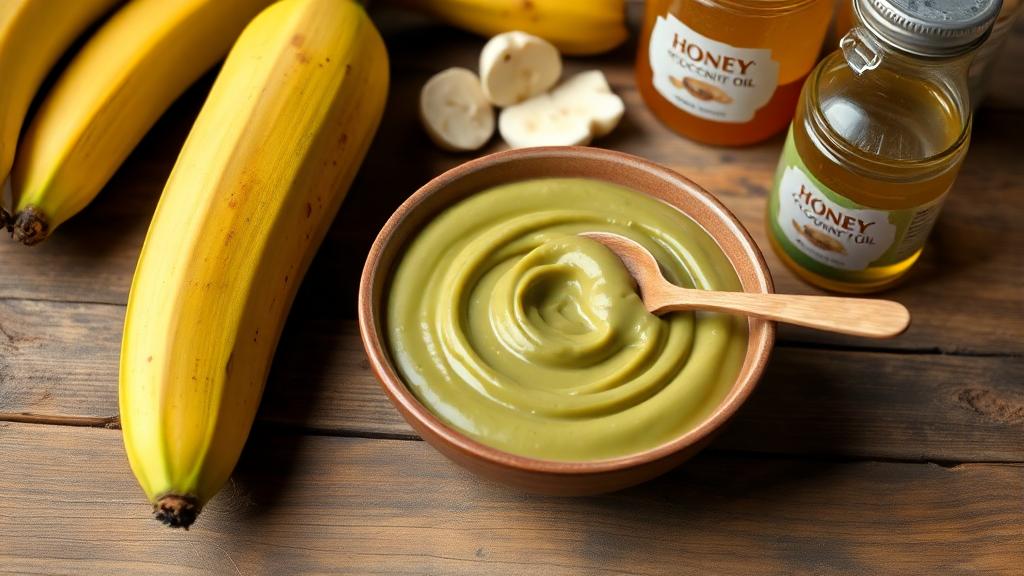
    This one is super easy.

    You’ll need:

    • 1 ripe banana peel
    • 1 spoon honey
    • 1 spoon coconut oil

    Steps:

    • Wash the peel well. Chop it into small bits.
    • Blend it with honey and oil till it becomes a smooth paste.
    • Apply this paste on your scalp and roots.
    • Leave for 30–40 minutes. Then rinse with mild shampoo.

    You’ll notice your hair feels softer and less frizzy right after.

    2. Banana Peel Water Rinse

    If you don’t want to deal with paste, this one’s for you.

    You’ll need:

    • 1 banana peel
    • 2 cups water

    Steps:

    • Boil the chopped peel in water for 10–15 minutes.
    • Let it cool. Strain the water.
    • After your regular hair wash, pour this water over your scalp.
    • Leave for a minute or two, then rinse with plain water.

    This helps reduce dandruff and gives your scalp a quick nutrient boost.

    3. Banana Peel Infused Oil

    If you’re someone who prefers oiling the hair, this method is a good fit.

    You’ll need:

    • 1 banana peel
    • ½ cup coconut or olive oil

    Steps:

    • Heat the oil on low flame. Add chopped peel.
    • Let it simmer for 10 minutes. Then cool it down.
    • Strain and store in a clean bottle.
    • Use this oil once or twice a week. Warm it a little before applying.

    This oil makes your hair roots stronger and adds natural shine.

    Banana Peel Powder (If You Want to Store It)

    If you want to use banana peel again and again, this method helps you make powder.

    Steps:

    • Wash and sun-dry the peels.
    • Once fully dry, grind them into powder.
    • Store in airtight jar.

    Later, mix this powder with curd or coconut oil and use it as a hair pack.

    What Science Says

    Not a lot of big studies are done on banana peel and hair. But what we do know is, banana peel has strong antioxidants and nutrients. Some reports on banana flower also show it helps with blood circulation and scalp health, which supports hair growth. So even if peel is not yet in textbooks, the benefits are real and practical.

    Things to Keep in Mind

    • Don’t use raw green peels. Go for ripe banana peels only.
    • Do a patch test first. Everyone’s skin reacts differently.
    • Use fresh peel, not one lying around for days.
    • Once a week is enough. No need to overdo.

    Final Thoughts

    Using banana peel for hair might sound odd at first, but it works. It’s one of those home remedies that’s simple, cheap, and kind to your hair. In a world full of chemicals, it’s nice to try something natural that actually makes a difference.

    If your hair is dry, falling, or just dull, this is something you can try without fear. It doesn’t cost anything, and you might be surprised by how your hair feels after a few weeks. Try it once. Maybe your kitchen has the answer your salon never gave.

    📚 Related Articles You May Like

  • 8 Simple Steps to Make a Study Timetable That Actually Works

    8 Simple Steps to Make a Study Timetable That Actually Works

    Student studying at a desk with a laptop, books, and a visible study timetable on the wall

    Creating a good study timetable isn’t rocket science, but many students still get stuck. Whether you’re studying for CBSE boards, NEET, or just want to keep up with school, having a clear routine can take a lot of pressure off your mind. And let’s be honest with so many subjects, tuition classes, and distractions around, it’s easy to feel lost without a plan. That’s where a simple, realistic timetable comes in handy.

    In this blog, let’s go through 8 simple steps to build a study routine that fits your life. These ideas are practical and suited for Indian students who want to study smart, not just hard.

    Step 1: Set Goals That Make Sense

    Before you pick up your pen or open your books, ask yourself: What exactly do I want to finish this week? Don’t just say, “I’ll study Science.” Say, “I’ll complete Chapter 4 of Science and do 10 questions from the guide by Friday night.”

    It helps to break big goals into small, daily targets. For example, if you’re preparing for JEE, you can aim to revise one topic of Physics per day instead of saying you’ll finish the whole syllabus this month. Make it doable, so you don’t burn out halfway.

    Step 2: Make a Timetable That Suits You

    Everyone’s routine is different. Some students study better early morning, some are more active at night. Look at your daily schedule first school hours, tuition, family time, meals and then slot in your study time accordingly.

    Let’s say you’re free after 5 pm. You can fix 5:30 to 7:00 for studying one subject, then take a break and continue from 7:30 to 8:30. Use a notebook or even a wall calendar whatever helps you see your plan clearly.

    Don’t pack it too tight. Keep some buffer time so you don’t feel guilty if one task gets delayed.

    Step 3: Don’t Just Read — Engage

    Reading notes again and again won’t help much. Try summarising what you’ve learned in your own words. Teach it to your sibling or write it out on a whiteboard. These small tricks stick better.

    Also, for subjects like History or Biology, drawing mind maps or quick charts can really make things easier. It’s not just about reading it’s about remembering.

    Step 4: Use Apps, But Carefully

    These days, there are apps for everything. You can watch a full Chemistry chapter on YouTube or use apps like Unacademy and Byju’s. But don’t spend hours jumping between videos.

    Fix a time say 30 minutes daily for learning through apps. And use simple tools like timers or app blockers to avoid wasting time on social media.

    Step 5: Stick to the Routine (Even If You Slip Once or Twice)

    You might miss a session now and then that’s okay. What matters is not giving up. Studying for 30–40 minutes every day is more useful than pushing 6 hours in one go once a week.

    If you’re preparing for something big like NEET or UPSC, even slow but steady progress will take you far. The trick is to build a habit, not a burden.

    Step 6: Don’t Forget Your Health

    Studying is important, yes, but your health keeps you going. If you don’t sleep enough or eat junk all day, your focus will drop. Even a short walk after study can freshen your mind.

    Try to get at least 7 hours of sleep and drink enough water. You don’t need a gym simple stretches, skipping, or just walking around your home can help.

    Step 7: Keep Your Notes Neat and Simple

    Instead of copying full paragraphs, write down key points. Use bullet lists, arrows, or boxes to mark important stuff. This helps a lot during revision.

    A Class 10 student revising Geography can draw small maps or tables instead of reading pages and pages. Short, clean notes will save you hours later.

    Step 8: Stay Positive and Ask for Help

    Some days you’ll feel bored or stuck. That’s normal. When that happens, talk to someone a friend, sibling, or teacher. Even small help can save time and energy.

    Also, reward yourself after a task. Finished a chapter? Watch a short video, eat something you like, or just relax. These tiny breaks keep you going.

    Final Thoughts

    Making a timetable doesn’t mean controlling every hour of your life. It just gives you a direction. If you follow even 60–70% of your plan, that’s still great. Over time, it becomes your habit.

    So start simple. Make a rough plan for one week and see how it feels. You’ll adjust and improve as you go. And once you get used to it, studying won’t feel like such a big load.

    📚 You Might Also Like:

    How to Wake Up Early Without Feeling Tired
    Tricks for students to become early risers and make the most of their mornings.

    Top 5 Brain-Boosting Foods for Students
    Eat smart to focus better no expensive supplements needed.

    10 Smart Ways to Learn Faster: Simple Tips for Everyday Learners
    Practical tips to help you study smarter and speed up your learning process.

  • बिना झंझट के हरियाली लाएं: ये हैं 10 सबसे आसान पौधे आपके घर के लिए

    बिना झंझट के हरियाली लाएं: ये हैं 10 सबसे आसान पौधे आपके घर के लिए

    A variety of potted indoor plants including money plant, snake plant, aloe vera, and basil placed on a sunny windowsill with natural sunlight.

    परिचय

    हरियाली वाले स्थान तेजी से कम होते जा रहे हैं, खास तौर पर हमारे कस्बों और शहरों में। लेकिन इसका मतलब यह नहीं है कि हम अपने आस-पास प्रकृति का थोड़ा सा हिस्सा नहीं उगा सकते। शुरुआत करने के लिए आपको बड़े पिछवाड़े या फैंसी उपकरणों की ज़रूरत नहीं है। बालकनी या खिड़की पर कुछ छोटे गमले ही काफी हैं। इस ब्लॉग में, हम 10 ऐसे पौधों के बारे में बात करेंगे जिन्हें शुरुआती लोग भी आसानी से उगा सकते हैं। ये कम रखरखाव वाले, मजबूत छोटे पौधे हैं जिन्हें बहुत ज़्यादा ध्यान देने की ज़रूरत नहीं होती। चाहे आप चेन्नई में फ़्लैट में रह रहे हों या नागपुर में छोटे से घर में, ये पौधे आपके लिए एकदम सही रहेंगे और आपका मूड अच्छा कर देंगे।

    इसके अलावा, हम यह भी देखेंगे कि आजकल इतने सारे भारतीय बागवानी में क्यों रुचि ले रहे हैं, और आप बिना अधिक प्रयास के इस हरित आंदोलन में कैसे शामिल हो सकते हैं।

    घर पर पौधे क्यों उगाएं?

    पौधों के साथ पाँच मिनट बिताने से भी आपका दिमाग शांत हो सकता है। जीवन बहुत तेज़, शोरगुल वाला और तनावपूर्ण है, खासकर शहरों में। लेकिन आस-पास कुछ हरे-भरे दोस्त होने से बहुत फ़र्क पड़ सकता है। वे हवा को साफ करते हैं, आपका मूड अच्छा करते हैं और थोड़ी शांति लाते हैं। कुछ लोग यह भी कहते हैं कि जब आस-पास पौधे होते हैं तो उनका ध्यान बेहतर होता है।

    कई भारतीय घरों में, इनडोर पौधे दोहरा काम कर रहे हैं – वे सजावट का हिस्सा हैं और प्राकृतिक वायु शोधक के रूप में भी काम करते हैं। कुछ अध्ययनों से पता चला है कि स्नेक प्लांट और पीस लिली जैसे पौधे हवा से विषाक्त पदार्थों को हटा सकते हैं। यहां तक ​​कि तुलसी, जिसका हम खाना पकाने में उपयोग करते हैं, तनाव से निपटने में मदद कर सकती है। साथ ही, लकी बैम्बू और मनी प्लांट जैसे पौधों को सौभाग्य लाने वाला माना जाता है।

    तो हाँ, बागवानी सिर्फ़ एक शौक नहीं है। यह आपके स्वास्थ्य, आपके घर और आपकी जेब के लिए भी अच्छा है।

    10 आसानी से उगने वाले पौधे

    1. मनी प्लांट

    यह इतना आसान क्यों है: यह लगभग हर जगह उगता है – मिट्टी में, पानी में, कम रोशनी में।
    देखभाल संबंधी सुझाव: पानी तभी दें जब ऊपरी मिट्टी सूखी हो। अगर पानी में उगा रहे हैं, तो हर 10-12 दिन में पानी बदल दें।
    बोनस: लोगों का मानना ​​है कि इससे धन और अच्छी ऊर्जा आती है।

    2. स्नेक प्लांट

    यह सरल क्यों है: इसे मारना कठिन है। पानी देने के बीच लंबे अंतराल पर भी यह जीवित रहता है।
    देखभाल संबंधी सुझाव: दोबारा पानी देने से पहले मिट्टी को पूरी तरह सूखने दें।
    बोनस: प्रदूषित शहरों में घर के अंदर की हवा को साफ करने के लिए जाना जाता है।

    3. एलोवेरा

    यह इतना आसान क्यों है: इसकी पत्तियों में पानी जमा रहता है। यह धूप पसंद करता है।
    देखभाल के सुझाव: इसे धूप वाली खिड़की के पास रखें। इसे ज़्यादा पानी देने से बचें।
    बोनस: आप इसके जेल का इस्तेमाल छोटी-मोटी जलन या रूखी त्वचा के लिए कर सकते हैं।

    4. शांति लिली

    यह इतना आसान क्यों है: यह आपको प्यास लगने पर बताता है। साथ ही यह घर के अंदर की रोशनी में भी अच्छी तरह से एडजस्ट हो जाता है।
    देखभाल के सुझाव: जब पत्तियां थोड़ी झुक जाएं तो पानी दें। कभी-कभी पत्तियों पर पानी छिड़कते रहें।
    बोनस: सफेद फूलों के साथ यह बहुत सुंदर दिखता है, हवा को भी साफ करता है।

    5. लकी बैम्बू

    यह इतना आसान क्यों है: सिर्फ़ पानी में उगता है, मिट्टी की ज़रूरत नहीं।
    देखभाल के सुझाव: हफ़्ते में एक बार पानी बदलें। सीधी धूप से बचाएं।
    बोनस: अक्सर त्योहारों के दौरान उपहार में दिया जाता है, माना जाता है कि यह सौभाग्य लाता है।

    6. स्पाइडर प्लांट

    यह सरल क्यों है: यह तेजी से बढ़ता है और छोटे पौधे (जिन्हें पप्स कहा जाता है) पैदा करता है।
    देखभाल संबंधी सुझाव: जब ऊपरी मिट्टी सूख जाए तो पानी दें। मिट्टी के बारे में बहुत ज़्यादा नखरे नहीं करता।
    बोनस: हवा से विषाक्त पदार्थों को हटाने में मदद करता है, लटकते हुए गमलों में बहुत अच्छा लगता है।

    7. पोथोस (डेविल्स आइवी)

    यह इतना आसान क्यों है: अगर आप कभी-कभार इसे पानी देना भूल जाते हैं तो यह आपको माफ़ कर देता है।
    देखभाल के सुझाव: मध्यम रोशनी में रखें, जब मिट्टी सूखी लगे तो पानी दें।
    बोनस : यह खूबसूरती से बढ़ता है और काफी लंबा हो सकता है।

    8. एरेका पाम

    यह इतना आसान क्यों है: यह उष्णकटिबंधीय अनुभव देता है, इसे रोज़ाना देखभाल की ज़रूरत नहीं होती।
    देखभाल के सुझाव: मिट्टी को थोड़ा नम रखें, शुष्क मौसम में कभी-कभी पानी छिड़कते रहें।
    बोनस: कमरे को ताज़ा और जीवंत बनाता है।

    9. आइवी

    यह इतना आसान क्यों है: यह तेजी से बढ़ता है, आसानी से चढ़ता और फैलता है।
    देखभाल के सुझाव: पानी देने के बीच मिट्टी को थोड़ा सूखने दें। आवश्यकतानुसार छंटाई करें।
    बोनस: यह घर के अंदर की हवा में एलर्जी को कम कर सकता है।

    10. तुलसी

    यह इतना आसान क्यों है: सूरज को पसंद करता है और जल्दी बढ़ता है।
    देखभाल के सुझाव: नियमित रूप से पानी दें और अधिक पत्तियाँ उगाने के लिए फूल तोड़ें।
    बोनस: खाना पकाने और पारंपरिक उपचार के लिए अच्छा है।

    भारतीय बागवानी में क्या नया है?

    भारत में अब ज़्यादातर लोग घर पर ही बागवानी करने लगे हैं। इसकी एक वजह शहरी जीवन में बहुत ज़्यादा प्रदूषण, छोटी जगहें और बढ़ता तनाव है। कोविड के बाद बागवानी में लोगों की दिलचस्पी बढ़ गई है। लोग अपनी जड़ी-बूटियाँ और सब्ज़ियाँ खुद उगाना चाहते थे। यहाँ तक कि छोटी बालकनी वाले फ्लैट भी हरियाली के केंद्र बन गए।

    बागवानी का बाजार भी तेजी से बढ़ रहा है। रिपोर्ट्स कहती हैं कि हाल के वर्षों में किचन गार्डन ने अर्थव्यवस्था में हजारों करोड़ रुपए जोड़े हैं। ऐप से लेकर ट्यूटोरियल तक, अब नए बागवानों की मदद के लिए सब कुछ ऑनलाइन उपलब्ध है। चाहे वह भोपाल में कोई रिटायर्ड अंकल हो या पुणे में कॉलेज का छात्र, बागवानी नई सामान्य बात होती जा रही है।

    निष्कर्ष

    बागवानी शुरू करने के लिए किसी बड़े प्रोजेक्ट की ज़रूरत नहीं है। इन 10 आसान पौधों के साथ, कोई भी व्यक्ति जिसे बिल्कुल भी अनुभव नहीं है, वह छोटी शुरुआत कर सकता है और हरियाली का आनंद ले सकता है। यह सिर्फ़ आपके घर को सुंदर दिखाने के बारे में नहीं है, बल्कि अंदर से अच्छा महसूस कराने के बारे में भी है। मेरी व्यक्तिगत सलाह? एक या दो पौधों से शुरुआत करें। उन्हें बढ़ते हुए देखें, और आपको एक शांत तरह की खुशी महसूस होगी। प्रकृति के पास चीजों को शांत करने का अपना तरीका है।

    🌿 यह भी देखने लायक है

    यदि आप पौधों से शुरुआत कर रहे हैं, तो आप कुछ आसान घरेलू स्वास्थ्य आदतों के बारे में भी पढ़ना पसंद कर सकते हैं ।

    – सुबह जल्दी उठना-बैठना लगता है? इन 7 सरल सुबह की आदतों को आजमाएँ जो वास्तव में आपके मानसिक स्वास्थ्य में मदद करती हैं – योगा मैट की ज़रूरत नहीं।

    और अगर आप अच्छे माहौल के लिए घर के अंदर पौधे लगा रहे हैं:
    – वायु गुणवत्ता के बारे में सोच रहे हैं? NASA द्वारा अनुमोदित वायु-शोधक पौधे आश्चर्यजनक रूप से उगाना आसान है।

  • Top 10 Easy Plants to Bring Greenery Home Without Any Hassle

    Top 10 Easy Plants to Bring Greenery Home Without Any Hassle

    A variety of potted indoor plants including money plant, snake plant, aloe vera, and basil placed on a sunny windowsill with natural sunlight.

    Introduction

    Green spaces are shrinking fast, especially in our towns and cities. But that doesn’t mean we can’t grow a bit of nature around us. You don’t need a big backyard or fancy tools to get started. A few small pots on a balcony or windowsill are enough. In this blog, we’ll talk about 10 plants that even beginners can grow easily. These are low-maintenance, tough little plants that don’t demand too much attention. Whether you’re living in a flat in Chennai or a small house in Nagpur, these plants will fit right in and lift your mood.

    Also, we’ll see why so many Indians are getting into gardening lately, and how you can join this green movement without much effort.

    Why Grow Plants at Home?

    Spending even five minutes with plants can cool down your head. Life is fast, noisy, and stressful, especially in cities. But having a few green buddies around can make a real difference. They clean the air, lift your mood, and bring a bit of peace. Some people also say their focus gets better when there are plants around.

    In many Indian homes, indoor plants are doing double duty—they’re part of the decor and also work as natural air purifiers. A few studies have shown that plants like snake plant and peace lily can remove toxins from the air. Even basil, which we use in cooking, can help with stress. Plus, plants like lucky bamboo and money plant are believed to bring good luck.

    So yes, gardening is not just a hobby. It’s good for your health, your home, and your pocket too.

    10 Easy-to-Grow Plants

    1. Money Plant

    Why it’s simple: Grows almost anywhere—in soil, in water, in low light.
    Care tips: Water only when top soil is dry. If growing in water, change it every 10-12 days.
    Bonus: People believe it brings wealth and good vibes.

    2. Snake Plant

    Why it’s simple: Hard to kill. Survives long gaps between watering.
    Care tips: Let the soil go completely dry before watering again.
    Bonus: Known to clean indoor air very useful in polluted cities.

    3. Aloe Vera

    Why it’s simple: Stores water in its leaves. Sun-loving.
    Care tips: Keep it near a sunny window. Avoid overwatering.
    Bonus: You can use its gel for small burns or dry skin.

    4. Peace Lily

    Why it’s simple: Shows you when it’s thirsty. Also adjusts well to indoor light.
    Care tips: Water when leaves droop slightly. Mist the leaves sometimes.
    Bonus: Looks lovely with white flowers, cleans air too.

    5. Lucky Bamboo

    Why it’s simple: Grows in just water, no soil needed.
    Care tips: Change water once a week. Avoid direct sunlight.
    Bonus: Often gifted during festivals, believed to bring good luck.

    6. Spider Plant

    Why it’s simple: Grows fast and produces baby plants (called pups).
    Care tips: Water when top soil dries. Not very picky about soil.
    Bonus: Helps remove toxins from air, looks great in hanging pots.

    7. Pothos (Devil’s Ivy)

    Why it’s simple: Forgives you if you forget to water it once in a while.
    Care tips: Keep in medium light, water when soil feels dry.
    Bonus: Trails beautifully and can grow quite long.

    8. Areca Palm

    Why it’s simple: Gives a tropical feel, doesn’t need daily care.
    Care tips: Keep soil slightly moist, mist sometimes in dry weather.
    Bonus: Makes the room feel fresh and lively.

    9. Ivy

    Why it’s simple: Fast grower, climbs and spreads easily.
    Care tips: Let soil dry a bit between watering. Trim as needed.
    Bonus: Can reduce allergens in indoor air.

    10. Basil (Tulsi)

    Why it’s simple: Loves the sun and grows quickly.
    Care tips: Water regularly and pluck flowers to grow more leaves.
    Bonus: Good for cooking and traditional remedies.

    What’s New in Indian Gardening?

    More people in India are now turning to home gardening. One reason is city life too much pollution, small spaces, and rising stress. After COVID, interest in gardening shot up. People wanted to grow their own herbs and vegetables. Even flats with tiny balconies became green spots.

    The garden market is also booming. Reports say kitchen gardens added thousands of crores to the economy in recent years. From apps to tutorials, everything is now available online to help new gardeners. Whether it’s a retired uncle in Bhopal or a college student in Pune, gardening is becoming the new normal.

    Conclusion

    Getting into gardening doesn’t need to be a big project. With these 10 easy plants, even someone with zero experience can start small and enjoy the greenery. It’s not just about making your home look nice, but also feeling good inside. My personal advice? Start with one or two plants. Watch them grow, and you’ll feel a quiet kind of happiness. Nature has its own way of calming things down.

    🌿 Also Worth Checking Out

    If you’re starting with plants, you might also like reading about some easy home wellness habits too.

    – Mornings feel rushed? Try these 7 Simple Morning Habits That Actually Help Your Mental Health— no yoga mat needed.

    And if you’re keeping indoor plants for good vibes:
    – Thinking about air quality? NASA-approved air-purifying plants are surprisingly easy to grow.

  • आयुर्वेदिक ज्ञान: 6 जड़ी-बूटियाँ जो स्वाभाविक रूप से ध्यान और ऊर्जा बढ़ाती हैं

    आयुर्वेदिक ज्ञान: 6 जड़ी-बूटियाँ जो स्वाभाविक रूप से ध्यान और ऊर्जा बढ़ाती हैं

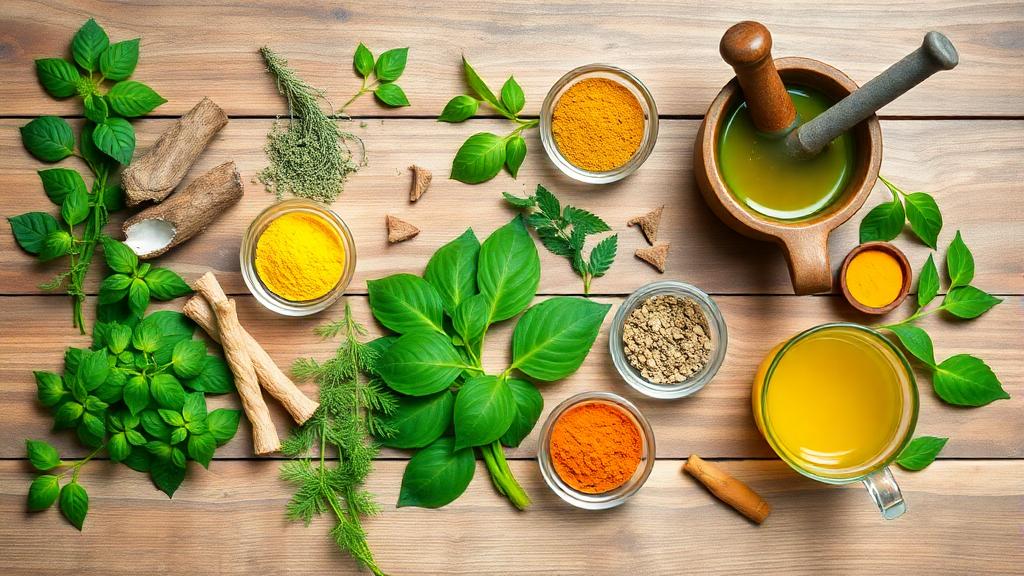
    Flat-lay of Ayurvedic herbs including tulsi, ashwagandha, neem, turmeric, and giloy with herbal powders and tea on a wooden background.

    जीवन लगातार व्यस्त होता जा रहा है। चाहे आप मीटिंग्स में व्यस्त हों, देर रात तक पढ़ने की कोशिश कर रहे हों, या दोपहर में बस नींद न आने की कोशिश कर रहे हों, मानसिक रूप से चुस्त और ऊर्जावान बने रहना एक बहुत बड़ी चुनौती बन गई है। जबकि बहुत से लोग एनर्जी ड्रिंक या कॉफी के अंतहीन कप का सहारा लेते हैं, हमारे देश में पीढ़ियों से एक सरल, अधिक प्राकृतिक तरीका मौजूद है – आयुर्वेद । यह ब्लॉग छह प्रसिद्ध आयुर्वेदिक जड़ी-बूटियाँ के बारे में है – अश्वगंधा, ब्राह्मी (बाकोपा मोनिएरी), गोटू कोला, शंखपुष्पी, हल्दी और तुलसी । ये कोई आधुनिक खोज नहीं हैं। ये सदियों से भारतीय घरों का हिस्सा रही हैं। खूबसूरती यह है कि ये सिर्फ़ थोड़े समय के लिए ऊर्जा नहीं देतीं, बल्कि लंबे समय तक आपके दिमाग और शरीर को संतुलित रखने में मदद करती हैं।

    आइये हम प्रत्येक पर इस प्रकार से विचार करें कि वे क्या करते हैं, उनका उपयोग कैसे किया जाए, तथा उन पर अभी भी विश्वास क्यों किया जाता है।

    1. अश्वगंधा – शांत मन और स्थिर ऊर्जा के लिए

    आपने अश्वगंधा जड़ी-बूटियों के बारे में ज़रूर सुना होगा। यह अब काफ़ी आम हो गया है, लेकिन कैप्सूल और पाउडर के प्रचलन से काफ़ी पहले, कई भारतीय परिवार इसे रोज़ाना के स्वास्थ्य के लिए इस्तेमाल करते थे।

    अश्वगंधा मुख्य रूप से तनाव को प्रबंधित करने में मदद करने के लिए जाना जाता है , जो ईमानदारी से हमारे अधिकांश ध्यान को खा जाता है। यह चाय या कॉफी के विपरीत, आपको बेचैन किए बिना आपकी सहनशक्ति को भी बढ़ाता है । कुछ लोग तो यह भी कहते हैं कि इसे नियमित रूप से इस्तेमाल करने के बाद वे अधिक स्पष्ट महसूस करते हैं।

    आप इसे कैसे ले सकते हैं:

    आप गर्म दूध में थोड़ा सा अश्वगंधा पाउडर मिला सकते हैं, खास तौर पर रात में। अगर आप कहीं बाहर जाते हैं तो कुछ लोग कैप्सूल लेना ज़्यादा पसंद करते हैं। 300 मिलीग्राम जैसी छोटी मात्रा से शुरू करें और देखें कि आपका शरीर कैसे प्रतिक्रिया करता है।

    वास्तविक जीवन का उदाहरण:
    मेरी अपनी नानी इसे हर रात दूध में मिलाकर पीती थीं, और वह अपनी आधी उम्र के सभी लोगों से ज़्यादा सक्रिय थीं। मैंने इसे घर से काम करने के दिनों में शुरू किया, और इससे मुझे लंबी मीटिंग के दौरान शांत रहने में बहुत मदद मिली।

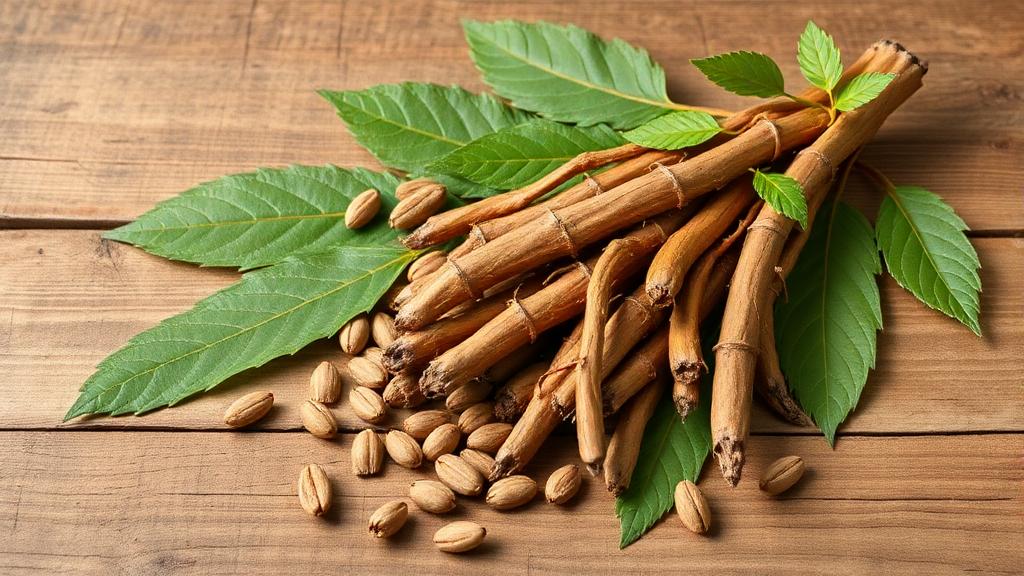
    2. ब्राह्मी (बाकोपा मोनिएरी) – तेज याददाश्त के लिए

    अगर आपने किसी आम भारतीय घर में पढ़ाई की है, तो संभावना है कि आपके माता-पिता ने आपको परीक्षा से पहले ब्राह्मी दी होगी। वे गलत नहीं थे। याददाश्त और सीखने की क्षमता के मामले में इस छोटी सी जड़ी-बूटी की बड़ी भूमिका होती है ।

    ब्राह्मी आपके मस्तिष्क को चीज़ों को बेहतर तरीके से याद रखने में मदद करती है, और यह आपको बहुत ज़्यादा सोचने से भी रोकती है, जो हममें से कई लोग दबाव में होने पर करते हैं। यह सौम्य है, लेकिन नियमित रूप से लेने पर प्रभावी है।

    का उपयोग कैसे करें:

    इसे शहद या घी के साथ पाउडर के रूप में लें। या फिर कैप्सूल का इस्तेमाल करें। 300 मिलीग्राम प्रतिदिन एक सामान्य खुराक है, लेकिन निश्चित रूप से, अपने डॉक्टर से पूछें।

    निजी कहानी:
    कॉलेज के दिनों में मेरी माँ मुझे ब्राह्मी का शरबत देती थीं। मुझे इसका स्वाद पसंद नहीं था, लेकिन बाद में मुझे एहसास हुआ कि मैं बिना किसी परेशानी के बैठ कर ध्यान लगा सकता हूँ।

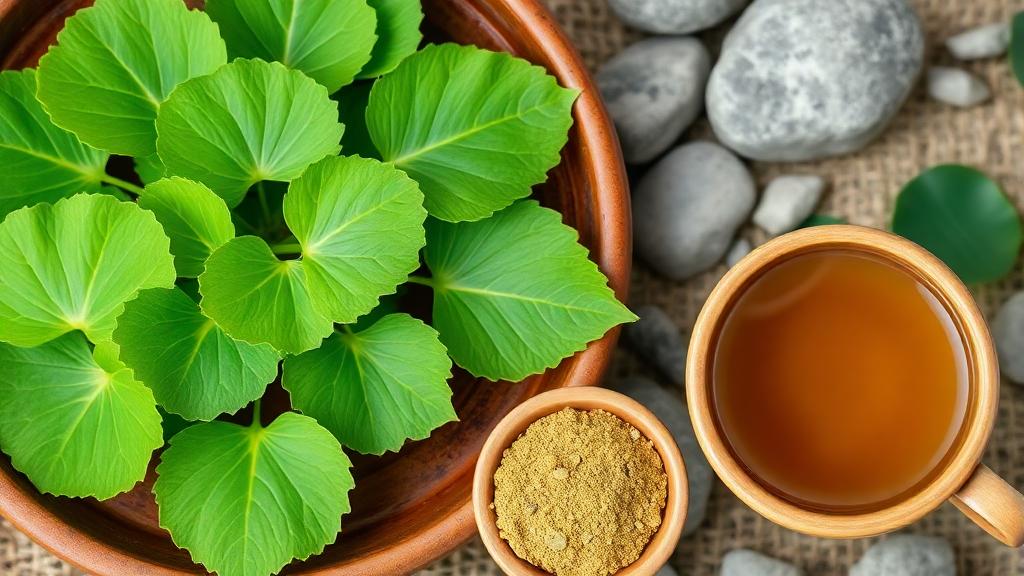
    3. गोटू कोला – मानसिक स्पष्टता के लिए

    गोटू कोला के बारे में बहुत से लोग बात नहीं करते, लेकिन कुछ भारतीय क्षेत्रों में यह पौधा बहुत प्रसिद्ध है। ऐसा कहा जाता है कि यह मानसिक स्पष्टता को बढ़ावा देता है और यहां तक ​​कि जब आप दिन भर के काम के बाद मानसिक रूप से थका हुआ महसूस करते हैं, तब भी यह मदद करता है।

    यह मस्तिष्क के स्वास्थ्य को भी समय के साथ बेहतर बनाता है, न कि केवल थोड़े समय के लिए। यह बुजुर्गों के लिए भी अच्छा है।

    इसे कैसे लें:

    आप ताज़ी या सूखी पत्तियों से चाय बना सकते हैं। कुछ लोग इसे कैप्सूल के रूप में लेते हैं जो भी उन्हें ठीक लगे। लगभग 500 मिलीग्राम एक सामान्य खुराक है।

    वास्तविक उदाहरण:
    मेरी चाची, जो एक स्कूल शिक्षिका हैं, गोटू कोला चाय की बहुत शौकीन हैं। वह शाम को उत्तर पुस्तिकाएँ सही करते समय इसे पीती हैं। उनका कहना है कि इससे उन्हें देर रात तक भी चुस्त रहने में मदद मिलती है।

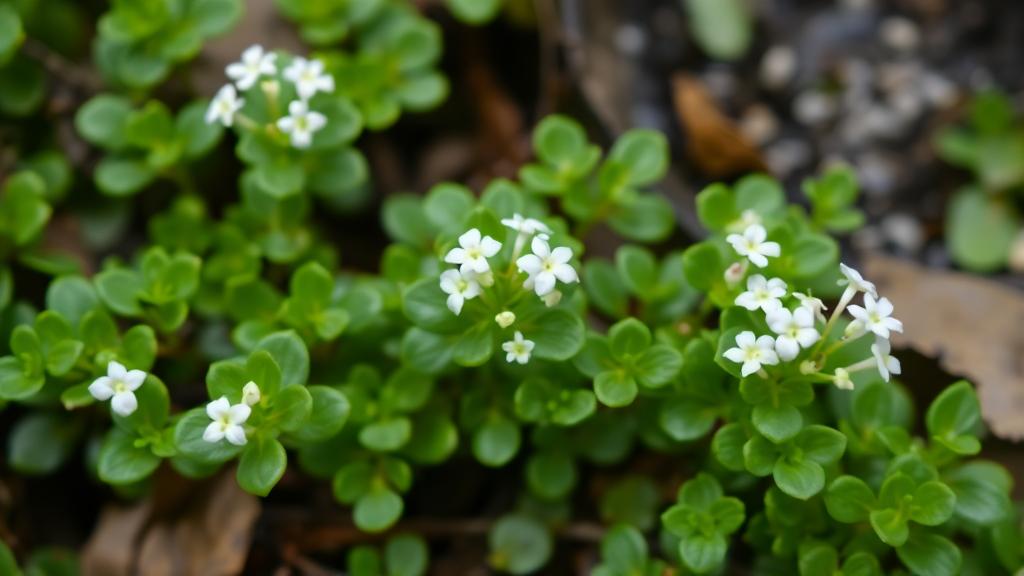
    4. शंखपुष्पी – बेहतर फोकस के लिए

    यह जड़ी-बूटी शायद दूसरों जितनी मशहूर न हो, लेकिन जब आपका दिमाग हर जगह काम कर रहा हो तो यह सबसे अच्छी जड़ी-बूटी है। यह एकाग्रता बढ़ाने और तनाव कम करने के लिए भी जानी जाती है।

    यह न केवल विद्यार्थियों के लिए, बल्कि उन लोगों के लिए भी बहुत अच्छा है जो स्क्रीन ओवरलोड और लगातार एक साथ कई काम करने की समस्या से जूझते हैं।

    इसका उपयोग कैसे करना है:

    आपको यह ज़्यादातर सिरप के रूप में मिलेगा। पानी या दूध के साथ 1-2 चम्मच लें। अगर सिरप ज़्यादा मीठा लगे तो कैप्सूल भी उपलब्ध हैं।

    एक मित्र के अनुभव से:
    सिविल सेवा की तैयारी कर रहे मेरे एक मित्र ने मुझे इससे परिचित कराया। मैंने अपने सबसे व्यस्त कार्य-समय के दौरान इसका उपयोग करना शुरू किया, और ईमानदारी से कहूँ तो इससे मुझे बिना थके ध्यान केंद्रित करने में मदद मिली।

    5. हल्दी – मस्तिष्क को सहायता और ऊर्जा प्रदान करने के लिए

    हल्दी सिर्फ़ खाना पकाने के लिए ही नहीं है। यह वास्तव में हमारे पास मौजूद सबसे शक्तिशाली जड़ी-बूटियों में से एक है। करक्यूमिन की बदौलत यह सूजन को कम करती है और मस्तिष्क को बेहतर ढंग से काम करने में भी मदद करती है।

    यह आपकी याददाश्त को बेहतर बनाने और उम्र बढ़ने के साथ आपके मस्तिष्क की रक्षा करने में सहायक सिद्ध हुआ है।

    का उपयोग कैसे करें:

    इसे अपनी करी में इस्तेमाल करें, दूध (गोल्डन मिल्क) में मिलाएँ, या स्मूदी में मिलाएँ। अगर आप घर पर खाना बनाते हैं तो आपको हमेशा सप्लीमेंट की ज़रूरत नहीं होती।

    मेरी आदत:
    मैं हर रात हल्दी वाला दूध पीता हूँ, जैसा मेरी माँ देती थी। इससे मुझे आराम मिलता है और साथ ही, दिन भर की थकान के बाद मेरा दिमाग भी शांत हो जाता है।

    6. तुलसी – शांति बढ़ाने वाली

    एक गमले में ताज़ा तुलसी के पत्ते

    लगभग हर भारतीय घर में तुलसी का पौधा होता है, और इसके पीछे अच्छे कारण भी हैं। तुलसी मानसिक तनाव को कम करने में मदद करती है , और जब आपका मन शांत होता है, तो ध्यान अपने आप बेहतर होता है।

    यह दैनिक उपयोग के लिए सरल, प्रभावी और सुरक्षित है।

    का उपयोग कैसे करें:

    सुबह उठकर तुलसी की कुछ ताजी पत्तियां चबाएं या फिर चाय बनाकर पिएं। दिन में एक बार भी असर महसूस करने के लिए काफी है।

    मेरा विचार:
    मैं आज भी हर सुबह तुलसी के पौधे को पानी देता हूँ। तुलसी की चाय पीने के बाद यह छोटी सी रस्म मुझे दिन की शुरुआत शांत मन से करने में मदद करती है।

    अंतिम विचार

    हम उत्पादकता उपकरणों, टू-डू ऐप और उत्तेजक पदार्थों के पीछे भागते हैं लेकिन कभी-कभी, पुराने तरीके सबसे अच्छे काम करते हैं। ये छह जड़ी-बूटियाँ – अश्वगंधा, ब्राह्मी, गोटू कोला, शंखपुष्पी, हल्दी और तुलसी – जादुई गोलियाँ नहीं हैं। लेकिन जब नियमित रूप से और सावधानी से उपयोग किया जाता है, तो वे प्राकृतिक, दुष्प्रभाव-मुक्त तरीके से ध्यान और ऊर्जा वापस लाते हैं।

    मेरा विचार? ये सिर्फ़ उपाय नहीं हैं। ये हमारी परंपरा का हिस्सा हैं और आज की तेज़ रफ़्तार दुनिया में, ऐसी जड़ों की ओर लौटना सबसे समझदारी भरा काम हो सकता है।

    💬 क्या आपको यह ब्लॉग पसंद आया? आगे आप क्या पढ़ सकते हैं:

    🔹 भारतीय रसोई के वे नुस्खे जो 2025 में भी कारगर साबित होंगे – हल्दी दूध से लेकर अजवाइन के पानी तक, जानिए कौन से सदियों पुराने देसी नुस्खे आज विज्ञान द्वारा समर्थित हैं।

    🔹 2025 में चुकंदर का जूस: अभी भी स्वास्थ्य को बढ़ावा देने का सबसे आसान तरीका – दिन में एक गिलास, और आपका शरीर आपको धन्यवाद कहता है। इस ब्लॉग में बताया गया है कि कैसे यह चमकदार लाल जड़ 2025 में भी स्वास्थ्य की दौड़ में जीत रही है।

  • Ayurvedic Wisdom: 6 Herbs That Naturally Boost Focus & Energy

    Ayurvedic Wisdom: 6 Herbs That Naturally Boost Focus & Energy

    Flat-lay of Ayurvedic herbs including tulsi, ashwagandha, neem, turmeric, and giloy with herbal powders and tea on a wooden background.

    Life keeps getting busier. Whether you’re running behind meetings, trying to study late into the night, or simply trying not to doze off in the afternoon, staying mentally sharp and energetic has become quite a task. While many people turn to energy drinks or endless cups of coffee, there’s a simpler, more natural way that has been around in our country for generations — Ayurveda.

    This blog is all about six well-known Ayurvedic herbs — Ashwagandha, Brahmi (Bacopa Monnieri), Gotu Kola, Shankhapushpi, Turmeric, and Tulsi. These aren’t fancy modern discoveries. They’ve been part of Indian households for ages. The beauty is they don’t just give short bursts of energy, but help your mind and body stay balanced in the long run.

    Let’s go through each one in a way that makes sense what they do, how to use them, and why they’re still trusted.

    1. Ashwagandha – For Calmer Mind and Steady Energy

    You must’ve heard about Ashwagandha herbs. It’s quite common now, but long before capsules and powders took over, many Indian families used it as part of daily health.

    Ashwagandha is mainly known to help manage stress, which honestly eats up most of our focus. It also boosts your stamina without making you restless, unlike tea or coffee. Some people even say they feel more clear-headed after using it regularly.

    How you can take it:

    You can mix a bit of Ashwagandha powder in warm milk, especially at night. Some prefer capsules easier if you’re on the go. Start small, like 300 mg, and see how your body responds.

    Real-life example:
    My own nani used to have it in milk every night, and she was more active than anyone half her age. I started it during work-from-home days, and it really helped me stay calm during long meetings.

    2. Brahmi (Bacopa Monnieri) – For Sharper Memory

    If you’ve studied in a typical Indian home, chances are your parents gave you Brahmi before exams. They weren’t wrong. This small herb has a big role when it comes to memory and learning.

    Brahmi helps your brain retain things better, and it also keeps you from overthinking too much, which many of us do when under pressure. It’s gentle, but effective if taken regularly.

    How to use:

    Take it with honey or ghee in its powdered form. Or just use capsules. 300 mg a day is a common dose, but of course, ask your doctor.

    Personal story:
    During my college years, my mom used to give me Brahmi syrup. I didn’t like the taste, but later on, I realised I could sit and focus longer without my mind jumping around.

    3. Gotu Kola – For Mental Clarity

    Not many people talk about Gotu Kola, but in some Indian regions, this plant is very well known. It’s said to support mental clarity and even helps when you feel mentally tired after a long day.

    It also supports brain health over time, not just for short boosts. Good for older people too.

    How to take it:

    You can make tea out of fresh or dried leaves. Some people take it as a capsule whichever suits. Around 500 mg is a usual dose.

    Real example:
    My aunt, who is a school teacher, swears by Gotu Kola tea. She has it in the evening while correcting answer sheets. She says it helps her stay sharp even late at night.

    4. Shankhapushpi – For Better Focus

    This herb might not be as famous as others, but it’s one of the best when your brain feels all over the place. It’s known to support concentration and reduce stress too.

    Great for students, but also for anyone who deals with screen overload and constant multitasking.

    How to use it:

    You’ll mostly find it in syrup form. Take 1-2 teaspoons with water or milk. Capsules are also there, if syrup feels too sweet.

    From a friend’s experience:
    One of my friends preparing for civil services introduced me to it. I started using it during my busiest work season, and honestly, it helped me stay focused without feeling burned out.

    5. Turmeric – For Brain Support and Energy

    Turmeric isn’t just for cooking. It’s actually one of the most powerful herbs we have. Thanks to curcumin, it reduces inflammation and even helps the brain function better.

    It’s been shown to improve memory and protect your brain as you age.

    How to use:

    Use it in your curries, mix it in milk (golden milk), or add to smoothies. You don’t always need supplements if you cook at home.

    My habit:
    Every night, I drink haldi milk like my mother used to give. It feels comforting and, at the same time, clears my head after a long day.

    6. Tulsi – The Calm Booster

    Fresh tulsi leaves in a pot

    Almost every Indian household has a Tulsi plant, and for good reason. Tulsi helps reduce mental stress, and when your mind is calmer, focus automatically improves.

    It’s simple, effective, and safe for daily use.

    How to use:

    Chew a few fresh leaves in the morning or make Tulsi tea. Even once a day is enough to feel the effect.

    My take:
    Watering the Tulsi plant every morning is something I still do. That small ritual followed by a cup of Tulsi tea helps me start the day with a calm mind.

    Final Thoughts

    We run behind productivity tools, to-do apps, and stimulants but sometimes, old methods work best. These six herbs — Ashwagandha, Brahmi, Gotu Kola, Shankhapushpi, Turmeric, and Tulsi — are not magic pills. But when used regularly and with care, they bring back focus and energy in a natural, side-effect-free way.

    My view? They’re not just remedies. They’re part of our tradition, and in today’s fast-paced world, going back to such roots might be the smartest thing to do.

    💬 Feeling This Blog? Here’s What You Can Read Next:

    🔹 The Indian Kitchen Remedies That Actually Work in 2025 – From haldi doodh to ajwain water, discover what age-old desi tips are backed by science today.

    🔹 Beetroot Juice in 2025: Still the Easiest Way to Boost Health – One glass a day, and your body says thank you. This blog covers how this bright red root is still winning the health race in 2025.

    🔹 5 Superpower Herbs You Need In Your Kitchen – From your chai masala to your everyday tadka — these herbs aren’t just flavour bombs. They’re health heroes hiding in plain sight.